
Your cart
There are no more items in your cart
 Italiano
 English
- Felipe Arosio
- Mondo Vino
- 128 views
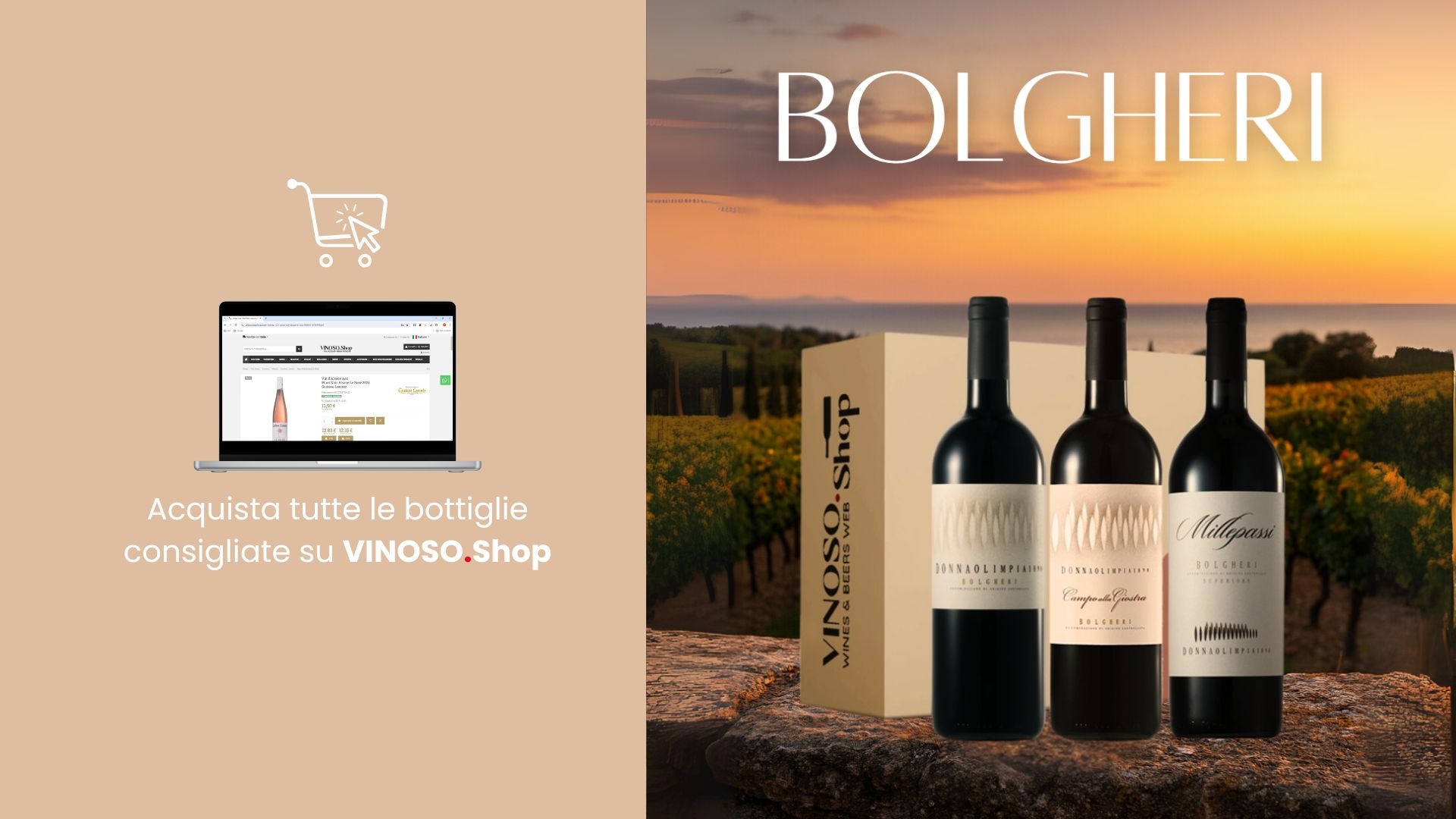
Among Italy’s great reds, Bolgheri wines refresh the image of the Tuscan coast with a clear personality: scents of Mediterranean scrub, ripe fruit, and that saline push that tells of the sea just steps from the vines.
At the heart of the Bolgheri DOC regulations, the Castagneto Carducci area offers a unique microclimate—hills, sea breezes, and gravel-rich soils—that lets Cabernet- and Merlot-based blends mature with balance, while Vermentino signs taut, luminous whites.
This is where the appeal that wins over enthusiasts and newcomers is born: Bolgheri wines combine structure with drinkability, pair easily with Italian cuisine, and are sought after for consistent quality and strong reliability in the cellar.
Origin and History of Bolgheri Wines
The Bolgheri DOC area and its unique features
In the municipality of Castagneto Carducci lies the production area of Bolgheri DOC: a vine-covered plain facing the Tyrrhenian Sea and protected by inland hills with constant ventilation.
Proximity to the sea tempers summer heat, the day-night range sharpens aromas, and the variability of soils— sand, silt, clay and, above all, rocky subsoil and gravel—yields precise wines with defined texture.
This natural combination underpins many farming and cellar choices: even phenolic ripening, staggered harvests, and winemaking designed to preserve fruit purity and drive.
From “Super Tuscans” to Bolgheri DOC recognition
Experiments in the 1960s forged a stylistic model that would change perceptions of Tuscan reds: Bordeaux blends from gravelly soils, capable of depth and longevity.
With the approval of specific rules for reds in 1994, Bolgheri DOC cemented a trajectory already familiar to wine lovers, while the Bolgheri Sassicaia sub-zone established the uniqueness of an iconic cru.
The move from “table wine” to DOC gave structure to the path: today the district counts dozens of producers coordinated by the Consortium, an international reputation, and a recognizable style that unites fruit, balance, and polish.
Infographic – Terroir of Bolgheri Wines vs. Other Tuscan Areas
| Element | Bolgheri (Castagneto Carducci) | Other Tuscan areas |
|---|---|---|
| Map & Territory | Coastal area, Castagneto Carducci (Livorno), vine-covered plain between sea and hills | Inland hills (e.g., Chianti, Montalcino, Montepulciano) |
| Soils | Sand, silt, clay, gravel, rocky subsoil | Mainly clay-limestone and “galestro” marl |
| Climate & Winds | Proximity to the sea, sea breezes, thermal moderation | More continental climate, less marine influence |
| Diurnal range | Marked day/night shift → clear aromas, balanced ripening | Variable, often lower in warmer hill areas |
| Main grape varieties | Cabernet Sauvignon, Merlot, Cabernet Franc, Petit Verdot, Vermentino | Sangiovese, Canaiolo, Colorino, Trebbiano, Malvasia |
| Alcohol range | 12.5% – 14.5% abv | 11.5% – 14.5% abv (variable) |
| DOC styles | Bolgheri Rosso, Rosso Superiore, Bianco, Rosato | Chianti DOCG, Brunello di Montalcino, Vino Nobile di Montepulciano, Vernaccia di San Gimignano |
Characteristics of Bolgheri DOC Wines
Grapes behind Bolgheri wines: Cabernet, Merlot, Cabernet Franc and Vermentino
In reds, Cabernet Sauvignon and Merlot prevail, often joined by Cabernet Franc and, to a lesser extent, Petit Verdot: the blend highlights dark fruit, spice, and a silky texture.
In whites, Vermentino and Sauvignon stand out in varying proportions, delivering citrus and saline notes with a fresh, inviting line on the palate.
The selection of lots and maturation vessels aims to refine without weighing down: calibrated oak or stainless steel for whites, with careful attention to balance and definition.
The result is expressive, consistent Bolgheri wines where climate and soil converse with cellar craft.
Bolgheri Rosso, Rosso Superiore, Bianco and Rosato: what’s different
Bolgheri Rosso is immediate in style: clear fruit, medium structure, measured tannins; Rosso Superiore raises concentration and density, with longer ageing before release.
Whites—chiefly Vermentino and Sauvignon—favor freshness and verticality, sometimes with brief lees ageing to broaden the aromatic spectrum.
Rosato is often made by saignée or from dedicated harvests, aiming for crispness and versatility at the table.
Variety requirements and permitted mentions are detailed in the regulations: a framework that guides style and protects regional identity.
How to Taste Bolgheri Wines at Their Best
Food pairings for Bolgheri wines
For reds, grilled cuts, roasts, and aged cheeses enhance the saline drive and tannin texture.
For whites, seafood dishes and grilled vegetables showcase freshness and the citrusy trail; rosés shine with appetizers, grain salads, and seasonal cuisine.
Tip for the best experience: large-bowled glasses for reds; medium tulip glasses for whites and rosés. Serving temperatures: 16–18 °C for reds, 10–12 °C for whites and rosés.
The watchword is balance: highlight the structure and drinkability of Bolgheri wines without smothering their aromas.
Bolgheri wines and the “wine spritz”: when it makes sense to mention it
On the aperitivo front, the rise of “wine spritz” styles reflects lighter, more moderate consumption.
In the Bolgheri context, it makes sense to link the idea to chilled whites and rosés as an opening glass, avoiding mixes that would distort the profile of the great reds.
The aperitivo trend is growing thanks to the search for balanced, aromatic drinks: a context where Bolgheri Bianco and Rosato can show their pure character with great pleasure.
Where to Buy the Best Bolgheri Wines Online
Vinoso.Shop selection: Bolgheri wines available
On Vinoso.Shop you’ll find a section dedicated to Bolgheri wines with labels for different occasions.
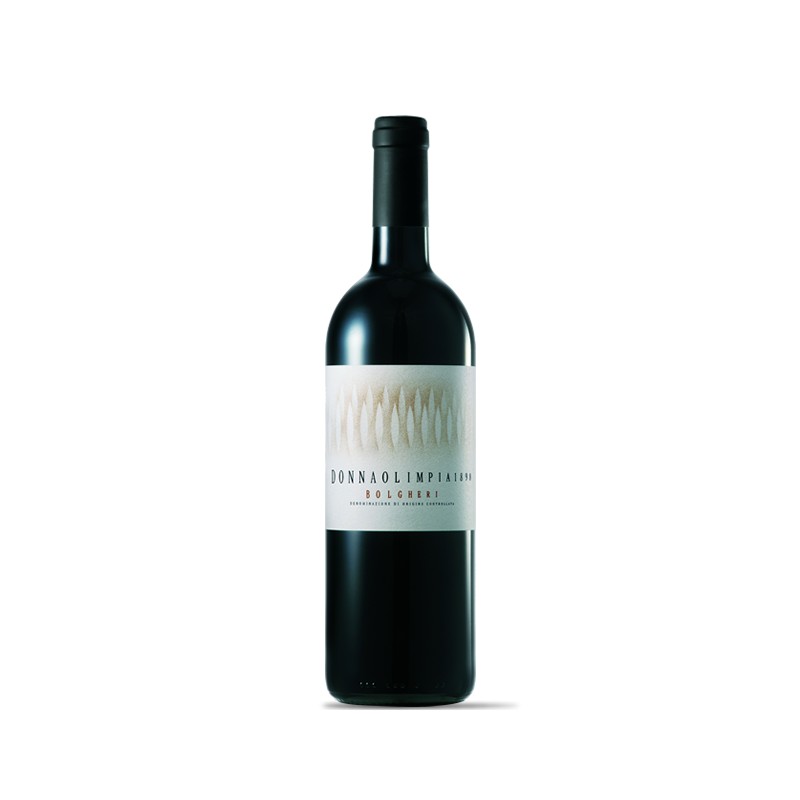
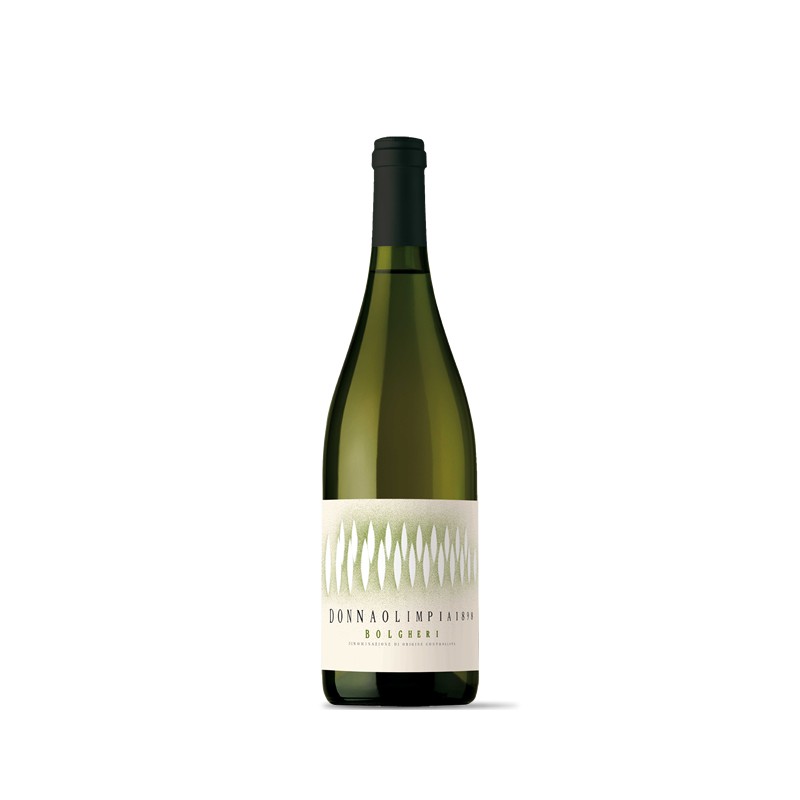
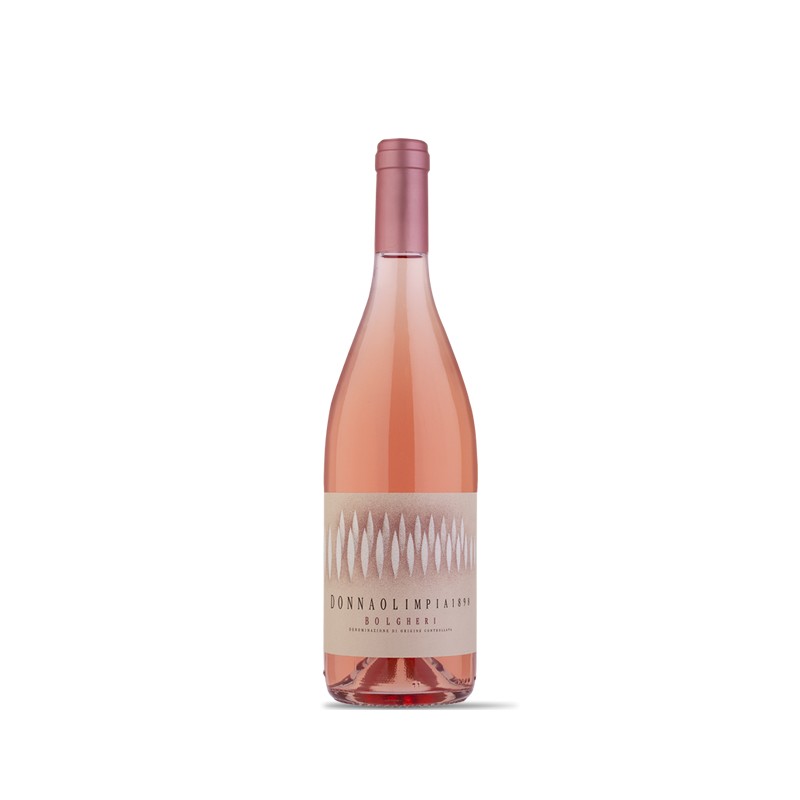
Standouts include bottlings from Donna Olimpia 1898: Bolgheri D.O. Rosso, Bianco, Rosato and special formats.
To find your way quickly, use filters for vintage and type; check product pages with tasting notes and serving advice.
When you want a fuller profile, choose a Rosso; if you’re after immediacy and verve, consider Bianco or Rosato. Remember: availability and prices can change over time.
Practical Tips for Choosing Bolgheri Wines
For beginners, a young Bolgheri Rosso offers the most immediate profile; for important dinners, a Rosso Superiore provides depth and length.
Choose vintages that match the style you want—warmer years for generous reds, cooler years for tension and drive—and read guide ratings to compare labels.
In the cellar, favor stable, horizontal storage; at the table, if possible, open more structured reds a little in advance and use large glasses.
Keep in mind that average quality in Bolgheri is high, and vineyard detail and the producer’s touch make the difference.
Conclusion: Why Bolgheri Wines Win People Over
In short, Bolgheri today offers one of Tuscany’s most convincing wine experiences: a clear regional identity, modern interpretations, and a consistency that invites re-tasting.
Between sea and hills, the reds pair beautifully with grilled meats; whites and rosés shine for freshness and versatility. Online, Vinoso.Shop makes choosing easy with dedicated pages and filters.
From here, the advice is to explore: try different styles and vintages, build your own “taste map,” and leave room for curiosity.