Start with a piece of dark chocolate, then take a measured sip: when chocolate and wine meet with intent, the harmony is surprising. This practical guide walks you through it step by step.
Introduction to Pairing Chocolate and Wine
Why chocolate and wine are a sensory challenge
First, a helpful premise: cocoa, cocoa-butter fats, and sugars interact in complex ways on the palate. The high aromatic intensity and possible bitterness of dark chocolate can overwhelm lighter wines, while milk chocolate’s sweetness calls for balance. That’s why “chocolate and wine” needs a method—choose styles that can converse without clashing.
Basic rules to understand possible pairings
Start from the principle of harmony: wine sweetness ≥ chocolate sweetness; wine intensity ≈ cocoa intensity. With higher cocoa percentages, choose more structured or fortified wines; with sweeter chocolates, soft aromatic profiles work well.
Chocolate characteristics and their impact on wine
Differences between dark, milk, and white chocolate
Dark chocolate brings high cocoa percentages, tannin, and bitterness; milk chocolate adds milk and sugar, making it sweeter and creamier; white chocolate, with no cocoa mass, leans on cocoa butter and sugars. These differences guide your glass: structure for dark, roundness for milk, aromatics for white.
Aromatic intensity, sugars, and cocoa tannins
Next, assess intensity and sweetness: the more concentrated the cocoa, the more the wine must hold its own. Cocoa tannins can stiffen a wine’s sip; choosing soft textures or oxidative components helps smooth the edges.
Cocoa percentage and wine choice
Finally, consider the percentage: above 70% you’ll find more bitterness and depth; between 50–60% there’s moderate sweetness; below that, softness and milk dominate. The cocoa scale maps to a wine scale—from structured fortified to fragrant aromatic.
Chocolate & wine – recommended pairings
Dark chocolate (>70%) with fortified wines and sweet reds
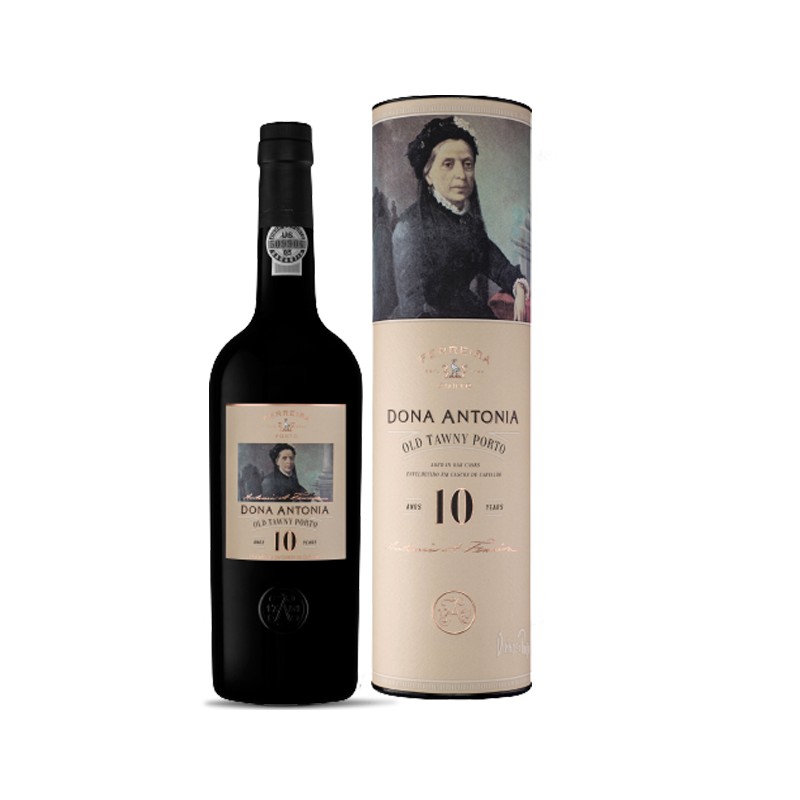
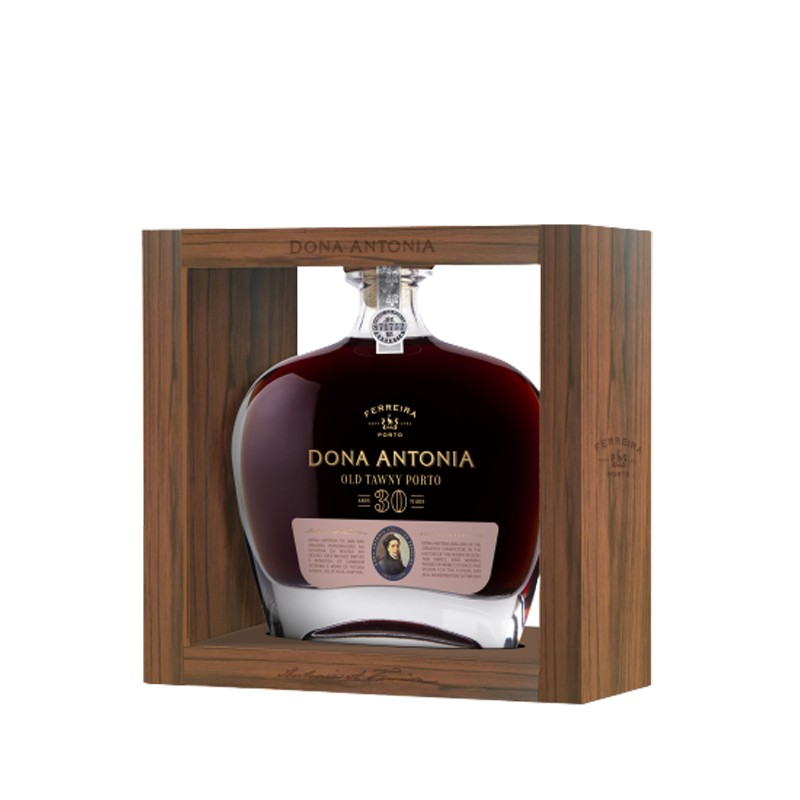
For intense dark chocolate, look for a warm, complex profile. Two effective routes on Vinoso.Shop: Tawny Port (e.g., Ferreira 10 Years/30 Years) with notes of dried fruit and caramel → 10 Years link and 30 Years link; or the sweet red Recioto della Valpolicella (e.g., Boscaini Carlo “La Sengia”) → Recioto link. The oxidative/solar components and barrel aging of Tawny round the cocoa bitterness; Recioto’s sweetness balances the power of 70–85% cacao.
Milk chocolate with soft, aromatic wines
With milk chocolate’s creaminess and sugar, a gently sparkling aromatic white works well: Moscato d’Asti DOCG “Hiku” 2024 – Roberto Garbarino → Hiku link. Measured sweetness and bright acidity prevent cloying and keep the sip lively.
White chocolate with fragrant, fresh wines
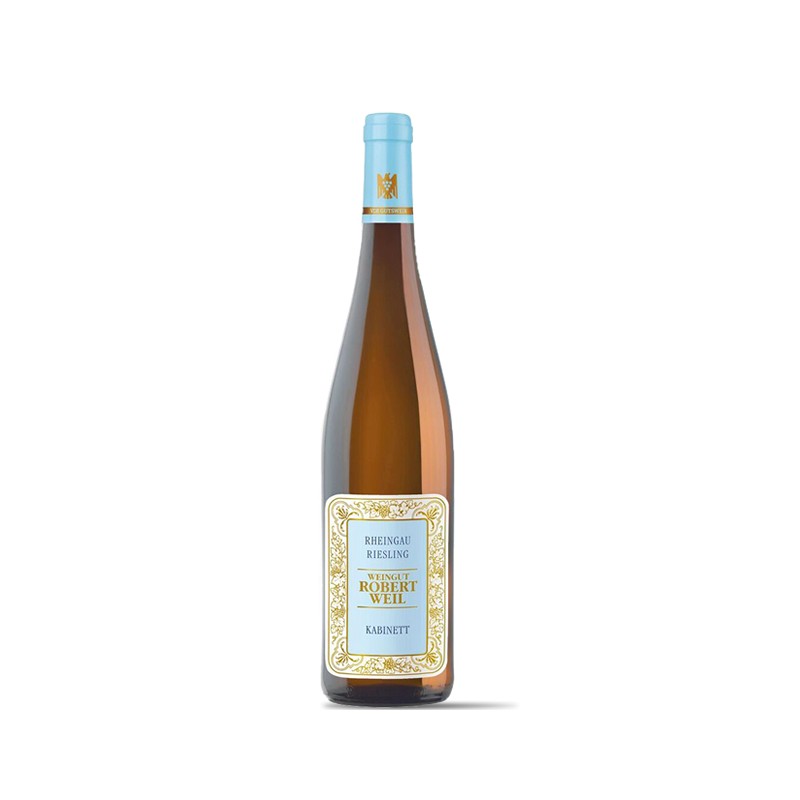
For white chocolate, which lacks cocoa mass but is rich in cocoa butter, favor floral aromas and white fruit. An aromatic, low-alcohol Riesling Kabinett gives refreshing contrast and a clean finish → Riesling Kabinett link.
Spiced or nutty chocolate with wines showing evolution
If spices, citrus peel, or nuts enter the scene, step up intensity: Port in Tawny or Colheita styles from the dedicated category → Port category link. Notes of walnut and caramel naturally complement chili, cinnamon, and hazelnut.
```
```
Infographic (table): “Chocolate & Wine Matrix”
Rows for chocolate type and columns for wine style. Cells filled with real examples referenced in the article (Vinoso.Shop).
| Chocolate | Aromatic | Naturally sweet | Sweet red | Fortified |
|---|
| White |
Riesling Kabinett – Robert Weil
Product page
Fresh, floral: cuts through cocoa butter. |
Moscato d’Asti “Hiku” 2024 – Roberto Garbarino
Product page
Moderate sweetness + bright acidity. |
Not recommended
Often too intense. |
Not recommended
Oxidative profile overwhelms. |
|---|
| Milk |
Moscato d’Asti “Hiku” 2024 – Roberto Garbarino
Product page
Creaminess ↔ gentle mousse. |
Alternative: aromatic white with low alcohol
Sweetness ≥ the chocolate’s. |
Optional
Consider Recioto in small pours. |
Not advised
Risk of sugar/alcohol imbalance. |
|---|
| Dark 50–60% |
Best avoided
May accentuate bitterness. |
Not ideal
Often too light. |
Recioto della Valpolicella “La Sengia” – Boscaini Carlo
Product page
Sweetness + dark fruit: harmony. |
Tawny Port 10 Years – Ferreira
Product page
Hazelnut, caramel: soft finish. |
|---|
| Dark 70–85% |
Not recommended
Register too slender. |
Not recommended
Insufficient sweetness. |
Recioto della Valpolicella “La Sengia” – Boscaini Carlo
Product page
Balances 70–85% bitterness. |
Tawny Port – Ferreira (10 or 30 Years)
10 Years · 30 Years
Refined oxidation, great length. |
|---|
| Key rule: wine sweetness ≥ chocolate sweetness; wine intensity ≈ cocoa intensity. |
Common mistakes when pairing chocolate and wine
Excess tannin and alcohol with delicate chocolates
People often pick a dry, tannic red for mid-range dark chocolate: the result is astringency on astringency. Better to aim for calibrated sweetness and softness, or gently paced fortified profiles.
Sweetness vs. sweetness: when it gets tiring
Another mistake is piling milk chocolate’s sugar onto overly sweet wines without acidity. Always look for freshness as a counterpoint: a lively Moscato makes each bite feel clearer.
Contrasts out of control
Lastly, avoid contrasts that cancel harmony: aggressive spices with fragile wines, or bitter chocolates with slender whites. It’s better to support and refine than to force.
Practical tips for a chocolate & wine tasting at home
Set the table: temperatures and sequence
First, order the tasting from sweetest to least sweet or from lightest to most structured. Serve Moscato and Riesling at 6–8 °C, Tawny Port at 12–14 °C, Recioto at 14–16 °C; keep portions small to preserve sensitivity.
Method: small bites, small sips
Then alternate bites and sips: a bite of chocolate, a pause, then the wine. Leave a few seconds between tastes to perceive aromatic length and the sweetness/bitter balance.
Targeted shopping on Vinoso.Shop
To finish your mise en place, add to the list: Riesling Kabinett 2022, Moscato d’Asti Hiku 2024, Recioto La Sengia, Ferreira Tawny Port 10/30 Years. Concrete references for a complete “chocolate & wine” night without complications.
Conclusion – Chocolate & wine, balance with intent
By choosing style and sweetness carefully, the pairing becomes natural: aromatic profiles for white and milk chocolate; structure and oxidative components for high-cocoa dark. With the right bottles and a bit of method, the tasting turns into a clear, rewarding journey.
FAQ on Chocolate & Wine
Which wine pairs with chocolate? ▶
For dark chocolate over 70%, try Tawny Port or Recioto; for milk chocolate, choose Moscato d’Asti; for white chocolate, go for fresh aromatic whites like sweet Rieslings. Practical rule: the wine’s sweetness should not be lower than the chocolate’s.
What should I drink with chocolate? ▶
Sweet or fortified wines with good acidity work well, as do moderately sweet aromatic wines. Avoid dry, very tannic reds unless the cocoa is very high and the chocolate low in sugar.
What foods don’t go well with wine? ▶
Handle with care: artichokes, asparagus, and intense heat can create conflicts. With chocolate, avoid too much sugar if the wine lacks supportive freshness.

 Italiano
 English