Introduction
A glass of fortified wine holds history, technique, and pleasure. From Port to Sherry to Marsala, these wines are created through fortification that raises the alcohol level and sculpts their character.
For those shopping on Vinoso.shop, understanding what a fortified wine is helps you choose the right bottle for aperitifs, desserts, or contemplative moments. In our e-commerce you’ll find selections of Port and Sherry with clear product pages and serving tips.
What is a fortified wine
The term fortified wine refers to a wine to which wine-derived alcohol (or mistelle/concentrated must) is added at a chosen stage of fermentation. This fortification stops the yeasts and locks in style and sweetness, creating wines that by law generally have an actual alcohol content between about 15% and 22% ABV.
In practice, the winemaker decides when to intervene: if fortification happens early, the wine remains sweeter; if it happens later, it’s drier. This is the principle behind Port, Sherry, Madeira, and Marsala.
Infographic: Fortified wine process (simplified) — table format
Sequence of stages from raw material to bottle. The “Indicator” column uses a bar (0–100) to suggest the stage’s impact on the final profile.
| # | Stage | Purpose | Key intervention | Indicative duration | Impact on style | Indicator |
|---|
| 1 |
Grapes / Must |
Selecting raw material & crushing/destemming |
Pressing, must clarification |
Hours–days |
Aromatic base and must health |
|
| 2 |
Fermentation |
Start converting sugars into alcohol |
Yeast and temperature management |
Days–weeks |
Primary profile, initial structure |
|
| 3 |
Fortification |
Stop or steer fermentation |
Addition of wine alcohol / mistelle |
One-time intervention |
Defines sweetness and 15–22% ABV |
|
| 4 |
Aging |
Develop complexity and stability |
Time in wood/inert vessel; oxidative or biological management |
Months–years |
Dried-fruit notes, toast, balance |
|
| 5 |
Bottling |
Stabilization and packaging |
Filtration, topping up, closure |
Days |
Ready to serve or further rest |
|
| Note: times and indicators are indicative and vary by style (Port, Sherry, Madeira, Marsala) and cellar practice. |
Key characteristics of fortified wine
Color, aroma, and taste
Aromas range from red fruit, spices, and cocoa (Port) to dried fruit and controlled oxidation (Sherry Oloroso), all the way to iodized hints and caramel in Marsala. On the palate, roundness depends on the balance between alcohol, residual sugar, and aging, often with a persistent finish.
Alcohol content
Compared with still wines, fortified wines typically show 15–22% ABV. The higher alcohol boosts structure, improves stability, and broadens occasions of use—from aperitif to dessert.
Dry and sweet styles
There are dry styles (e.g., Fino and Amontillado among Sherries, White Dry Port) and sweet styles (Ruby/Tawny Port, Pedro Ximénez). Dry versions are perfect as aperitifs or with tapas and cheese; sweet styles shine with chocolate desserts or as meditation wines.
Italian fortified wines
Marsala DOC: Sicily’s fortified wine
Marsala DOC is produced in the province of Trapani from grapes such as Grillo, Catarratto, and Inzolia. Fortification and aging shape the Oro, Ambra, and Rubino styles in dry, semi-dry, or sweet versions. At the table it pairs with flavorful cheeses, dry pastries, and traditional dishes.
Other Italian examples
Alongside Marsala, Italy has historic fortified styles in several denominations (Sicily and Sardinia among others). These are niche wines that share the use of fortification to stop fermentation and reach a higher alcohol level.
The most famous international fortified wines
Port: the style of the Douro
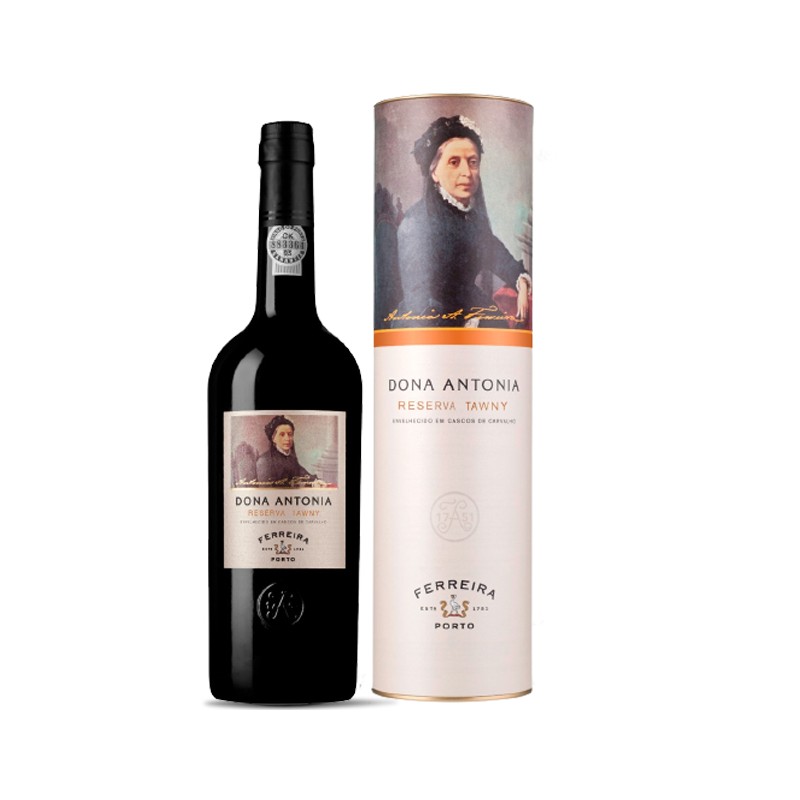
Port is made by interrupting fermentation with wine-derived alcohol. Main styles include Ruby, Tawny, and White; the former express intense fruit, the latter show hazelnut and caramel thanks to wood aging. Serve Tawny cool, slightly warmer for Ruby and Vintage.
Sherry (Jerez): from Andalusia to the glass
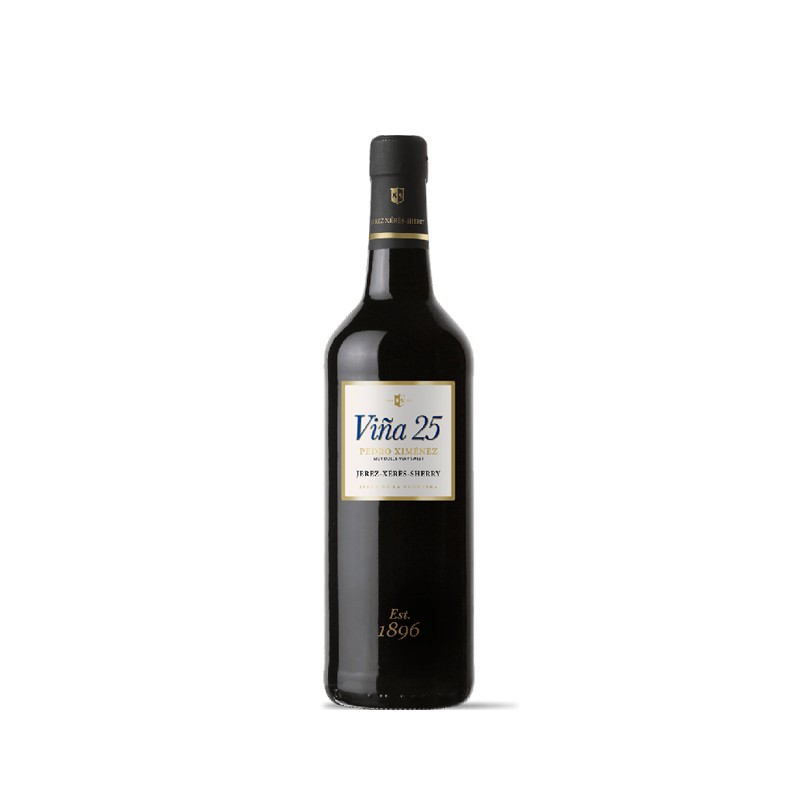
Sherry spans many types: from the dry Fino and Manzanilla, to Amontillado and Oloroso, up to the sweet Pedro Ximénez. Dry versions are excellent as aperitifs with olives and nuts; sweet versions are enveloping with chocolate desserts or ice creams.
Madeira: longevity and character
Madeira stands out for its distinctive heating and aging process that develops toasty, caramelized notes. Styles range from the dry Sercial and Verdelho to the sweeter Bual and Malvasia; it’s versatile as an aperitif, with cheese, or as a meditation wine.
Fortified wine: how to drink it
For aperitifs, dry styles are best served chilled: Sherry Fino/Manzanilla 7–9 °C, White Port 8–10 °C. With desserts and chocolate, Tawny and Oloroso shine at 12–14 °C; Ruby and Vintage show structure and aromas at 14–16 °C.
For glassware, a tulip-shaped or medium white-wine glass concentrates aromas and keeps pours small. After opening, oxidative styles (Tawny, Oloroso) last longer in the fridge when well sealed; Ruby and Fino should be consumed within a few days.
Food pairings with fortified wine
With desserts: dark chocolate and nut tarts pair with Tawny Port and Pedro Ximénez. With cheeses: blue and aged cheeses find balance with Oloroso and dry Marsala. For aperitif: Fino and Manzanilla match olives, almonds, and tapas.
For a home tasting: plan a dry → sweet flight (Fino, Amontillado, Tawny, PX), pouring small servings and gradually increasing temperature. On Vinoso.shop product pages you’ll find notes and tips to make choosing easier.
Practical tips for buying online on Vinoso.shop
Before purchasing a fortified wine, consider: style (dry/sweet), type (Ruby/Tawny, Fino/Oloroso), alcohol, bottle size, and serving suggestions. The Port and Sherry category pages on Vinoso.shop gather concise sheets useful for comparing price and taste.
To start without doubts: a benchmark Tawny Port and a dry Sherry like Fino/Amontillado cover aperitif and dessert. Later, explore Vintage Port or Pedro Ximénez for more intense experiences.
Conclusion
Understanding fortified wine means choosing better: from dry styles for aperitif to sweet versions for dessert and meditation. On Vinoso.shop you’ll find selected Port and Sherry with clear service info. Try a comparison between Tawny and Ruby or between Fino and Oloroso: you’ll discover how versatile this category can be.
FAQ about Fortified Wine
What is a fortified wine? ▶
It’s a fortified wine: during or at the end of fermentation, wine-derived alcohol (or mistelle/concentrated must) is added to lock in alcohol level and style. The result is a wine with higher alcohol than still wines, generally 15–22% ABV.
What are Italy’s fortified wines? ▶
The best-known reference is Marsala DOC in Sicily. There are also historic fortified types in other parts of the country, now produced in limited quantities. International styles such as Port, Sherry, and Madeira are also widely available and appreciated.
How do you drink fortified wine? ▶
Serve dry styles chilled (Fino/Manzanilla 7–9 °C, White Port 8–10 °C), slightly warmer for Tawny and Oloroso (12–14 °C), and 14–16 °C for Ruby/Vintage. Use small or white-wine glasses to concentrate aromas and pour modest servings.

 Italiano
 English