Introduction to French Spirits
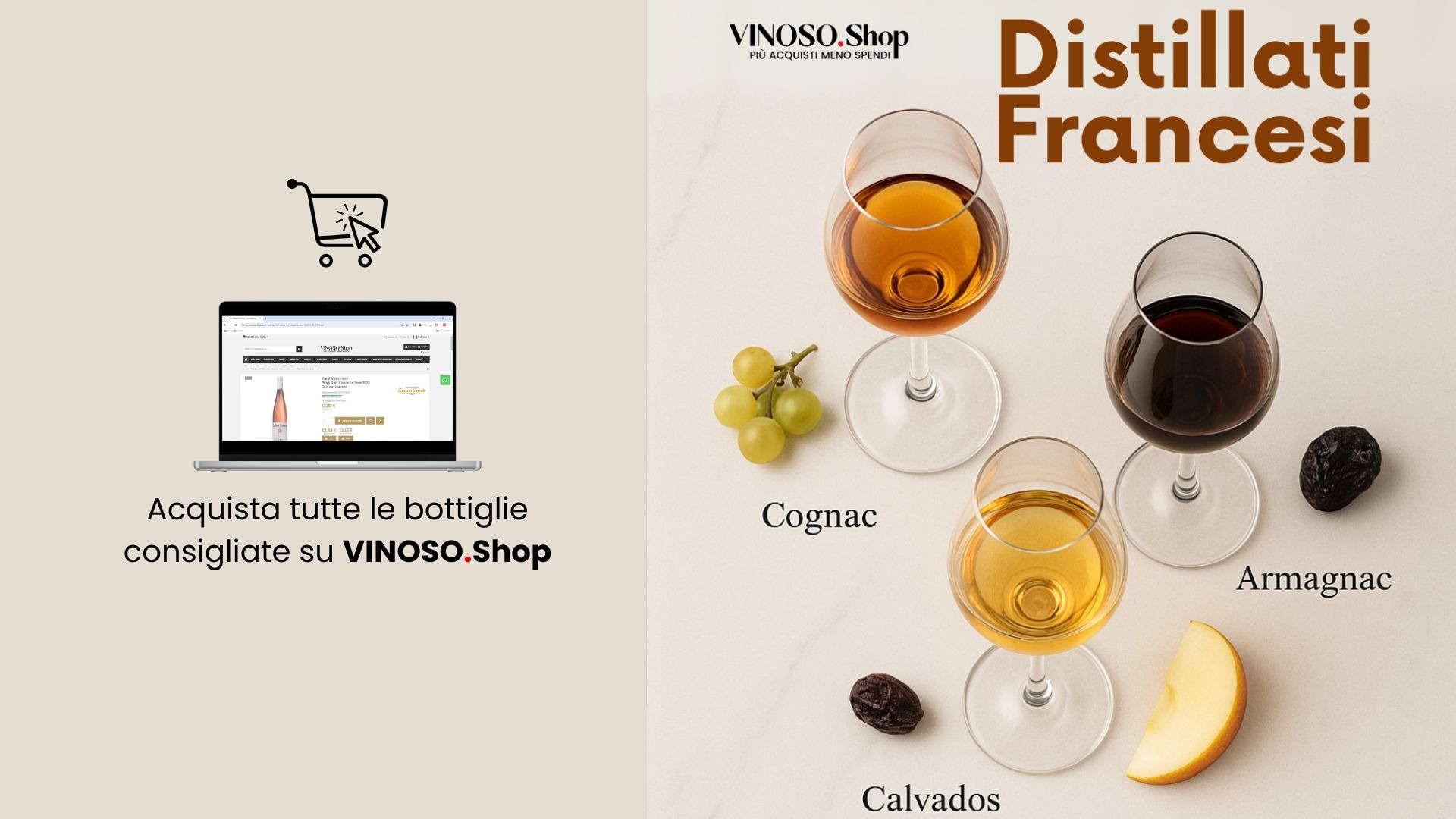
A glass of Cognac or Armagnac tells the story of terroir, technique, and time in cask. French spirits combine production precision with regional identity: ideal choices for an elegant after-dinner drink or a gift that makes an impression.
For shoppers on Vinoso.shop, knowing the basics helps you navigate labels and styles. This guide gives clear criteria on what to look for in the bottle, how to serve it, and the occasions where each spirit shines.
Origins and Regions of French Spirits
The History of Distillation in France
Distillation reached Europe in the Middle Ages for medicinal purposes; by the 17th century it took shape as a drinkable art. In France it organized around specific regions, each with its own stills, raw materials, and aging practices codified by appellation rules.
This development created protected designations that today guarantee quality standards and traceability from vineyard or orchard to bottle.
Key Areas: Charente, Gascony, and Normandy
Charente and Charente-Maritime are the cradle of Cognac; Gascony is home to Armagnac; Normandy is the land of Calvados. Each area has specific soils, climates, and grape varieties or cultivars—from Ugni Blanc to cider apples—that drive style and aromatics.
Understanding origin helps you read the label and consciously choose your preferred style.
Infographic: Comparative Process of French Spirits (simplified)
Comparative table of the main stages for Cognac, Armagnac, and Calvados. For each stage you’ll find base material, still/technique, and aging guidelines.
| Spirit | Fermentation (base) | Distillation | Aging | Bottling / notes |
|---|
| Cognac |
Neutral wine from Ugni Blanc (Charente) |
Double distillation in Charentais pot still (batch) |
French oak; indicative ages: VS (≥2 years), VSOP (≥4), XO (≥10) |
Blending, proofing, filtration; elegant, refined style |
| Armagnac |
Wine from Ugni Blanc, Baco, Folle Blanche (Gascony) |
Single distillation in Armagnacais continuous still |
Gascony oak; styles from Blanche to long-aged vintage |
Blends or single vintages; fuller, spicier profile |
| Calvados |
Apple cider (and pear in some AOCs) – Normandy |
Continuous column or double distillation depending on AOC |
Aging in oak; notes of baked apple, spice, citrus peel |
Blends for house style; fresh and fruity or more complex with age |
| Note: techniques and minimum times vary by AOC rules. The table is for orientation when comparing the three spirits. |
The Main French Spirits to Know
Armagnac: Character of Gascony
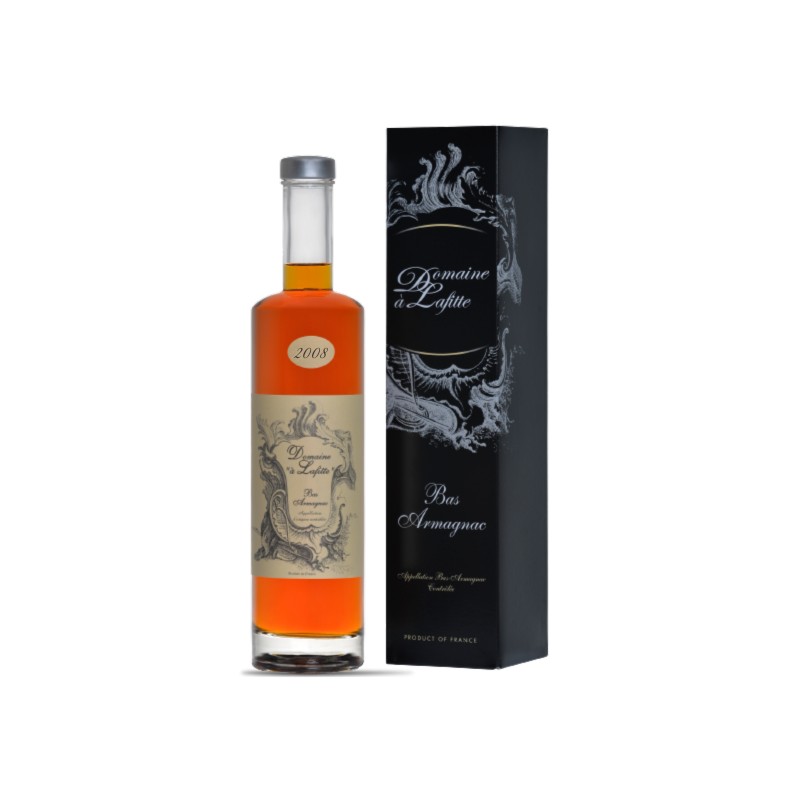
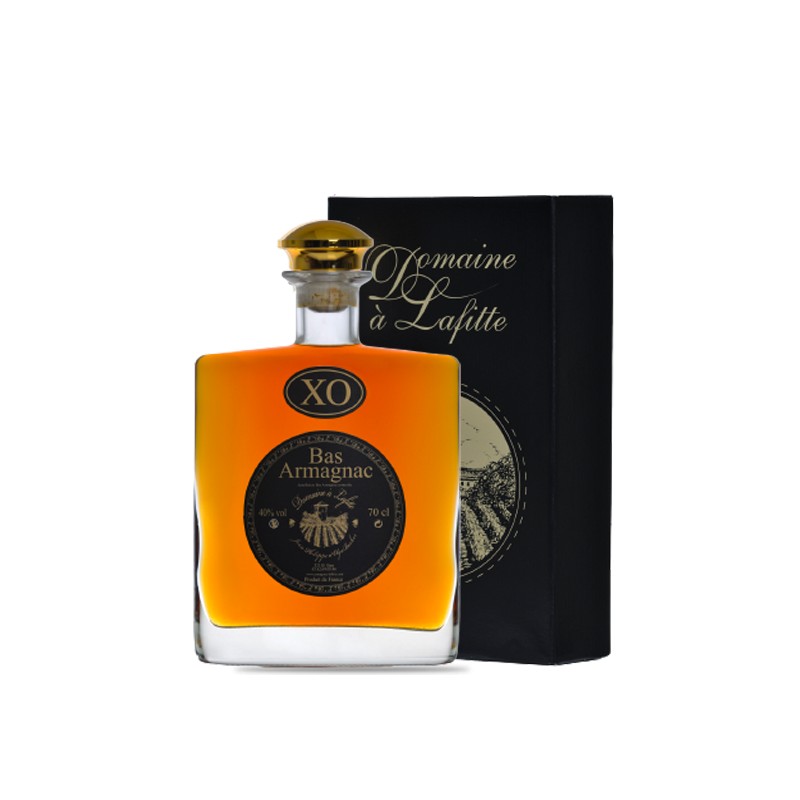
Made from base wine of Ugni Blanc, Baco, and Folle Blanche, it’s typically distilled in a continuous Armagnacais still and then aged in oak that emphasizes spicy notes and dried fruit.
Styles range from youthful blends to complex vintage bottlings. The palate tends to be full, with measured warmth and long persistence.
Cognac: Elegance of the Charente
Born from neutral wines of Ugni Blanc; double distillation in Charentais pot stills produces a pure eau-de-vie that matures in French oak, gradually developing aromas of fruit, vanilla, and delicate toast.
Label mentions (VS, VSOP, XO) help you gauge the minimum aging and thus the style—from livelier to more complex.
Calvados: Normandy in the Glass
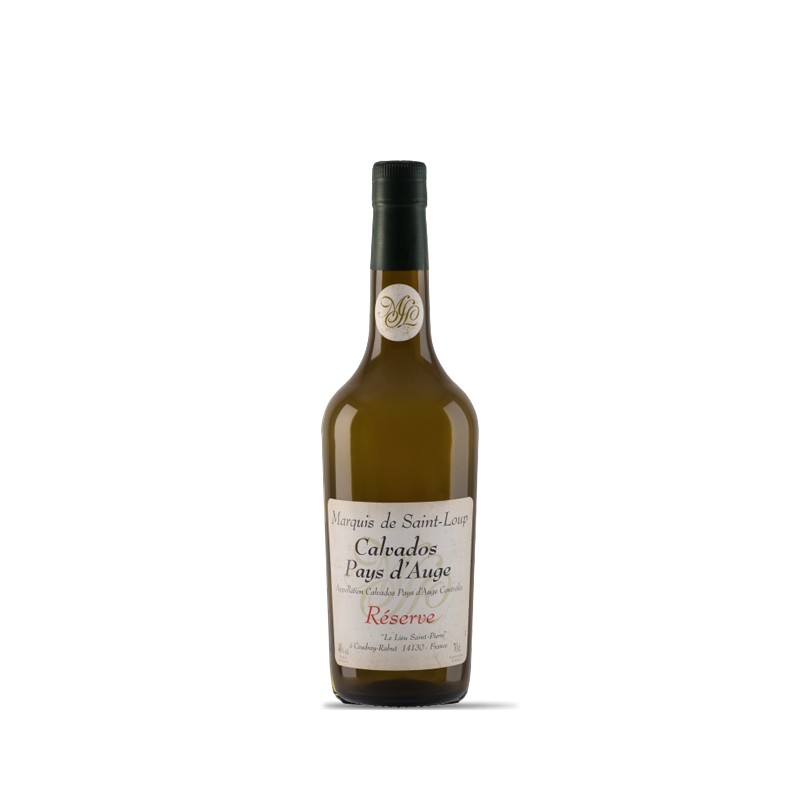
This spirit is obtained from apple cider and, in some areas, pear cider. After fermentation, distillation and oak aging bring aromas of baked apple, spice, and citrus peel.
The region’s appellations define production practices and minimum aging to ensure identity and quality.
Other French Spirits and Liqueurs to Explore
Classics include Chartreuse and Pastis, along with various regional eaux-de-vie. These are highly local products—great for broadening your horizons beyond the “big three.”
On Vinoso.shop the Spirits section lets you quickly compare styles and price bands.
How to Taste French Spirits
Right Temperature and Glass
For Armagnac and Cognac, choose a tulip glass or snifter and serve at 18–20 °C; serve Calvados slightly cooler. A narrow bowl concentrates aromas and supports the palate progression.
Avoid thermal shock: over-warming in the palm can emphasize alcohol and mask finer aromatics.
Step-by-Step Sensory Analysis
Observe color, assess viscosity in the glass, then explore aromas with small sips of air. On the palate, look for balance between sweetness, alcohol warmth, and wood-derived notes from aging.
A drop of water can open the bouquet in more intense spirits.
Food Pairings with French Spirits
After-Dinner and Contemplation
Cognac and Armagnac pair with dark chocolate, toasted nuts, and some aged cheeses. Calvados works well with apple tarts, crumble, and vanilla-based desserts.
For cigar lovers, choose longer-aged, spicier profiles.
Cocktails with French Spirits
Cognac is the base of classics like the Sidecar and Sazerac; Calvados enriches apple-forward sours and highballs; Pastis and Chartreuse open the door to aromatic aperitifs and digestifs.
Check the product page for ABV and profile to replicate cocktails consistently.
Where to Buy French Spirits Online
The Spirits section on Vinoso.shop features Cognac, Armagnac, and Calvados with clear details on ABV, format, and tasting notes. Filters help you compare price and style in a few clicks.
For a first purchase, rely on flavor descriptions and serving recommendations shown on each page: you’ll build a focused selection without fuss.
Conclusion
French spirits offer a journey through regions and techniques: Cognac with the finesse of double distillation, Armagnac with Gascon character, and Calvados with orchard freshness. With a few rules on serving, pairings, and mindful choice, you can find the right spirit for every occasion on Vinoso.shop.
FAQ on French Spirits
What’s the difference between Armagnac and Cognac? ▶
Cognac is distilled twice in Charentais pot stills and aged in French oak; Armagnac is often distilled continuously in an Armagnacais still and develops a slightly more rustic, spicy profile. Both come from base wines predominantly of Ugni Blanc but originate from different regions (Charente vs. Gascony).
What are the 5 spirits? ▶
Generally speaking: grape/wine brandies (Cognac, Armagnac), fruit brandies (Calvados), grain spirits (whisky), molasses/sugarcane spirits (rum), and neutral potato/grain spirits (vodka). In France the main players remain Cognac, Armagnac, and Calvados.
What is French grappa called? ▶
The equivalent of grappa (pomace brandy) in France is “Marc,” also called “eau-de-vie de marc” (e.g., Marc de Bourgogne).

 Italiano
 English