
Your cart
There are no more items in your cart
 Italiano
 English
- Felipe Arosio
- Mondo Vino
- 375 views

Slower evenings, a blanket on the sofa, flavorful dishes: it’s time for a rounded glass. This guide helps you choose a smooth red wine and a fruity red wine perfect for autumn, with labels available on Vinoso.Shop plus practical pairing and serving tips.
Introduction to Smooth Red Wine
What “smooth red wine” means
Simply put, smoothness is the tactile sensation of roundness on the palate. It comes from the balance between alcohol, glycerol and barely perceptible residual sugars, with polished tannins and integrated acidity. The result: a velvety, edge-free sip—ideal when you want comfort and immediacy.
Difference between smooth red wine and fruity red wine
A fruity red wine shows clear aromas of cherry, raspberry, plum; a smooth red wine works mainly on texture: silkiness, little bitterness, a controlled sweet-bitter close. The two qualities often co-exist, but they’re not synonyms: you can have fruity yet dry reds, or rounded reds with a spicier nose.
Characteristics of Smooth Red Wine
Structure and light tannins
Smoothness increases when tannins are ripe and fine. Grapes like Pinot Noir or some expressions of young Nebbiolo can offer silky weaves; cellar techniques such as careful maceration and measured ageing smooth out the edges. Watch the temperature: serving too warm amplifies alcohol and hurts balance.
Typical aromas and flavors
The aromatic profile highlights crunchy red fruits (cherry, wild strawberry, raspberry), sometimes with floral touches (violet) and sweet spices. Oak notes, if present, stay discreet: priority goes to a creamy yet lively palate that invites a second sip.
How it differs from low-tannin reds
“Low tannin” doesn’t always mean “smooth”: a red can have gentle tannin yet feel lean due to high acidity. A smooth red, instead, combines fine tannin and glycerol richness, seeking a full mid-palate and a caressing finish.
Best Smooth Red Wines Available on Vinoso.Shop
Soft, fruity Pinot Noir – Alto Adige and New Zealand
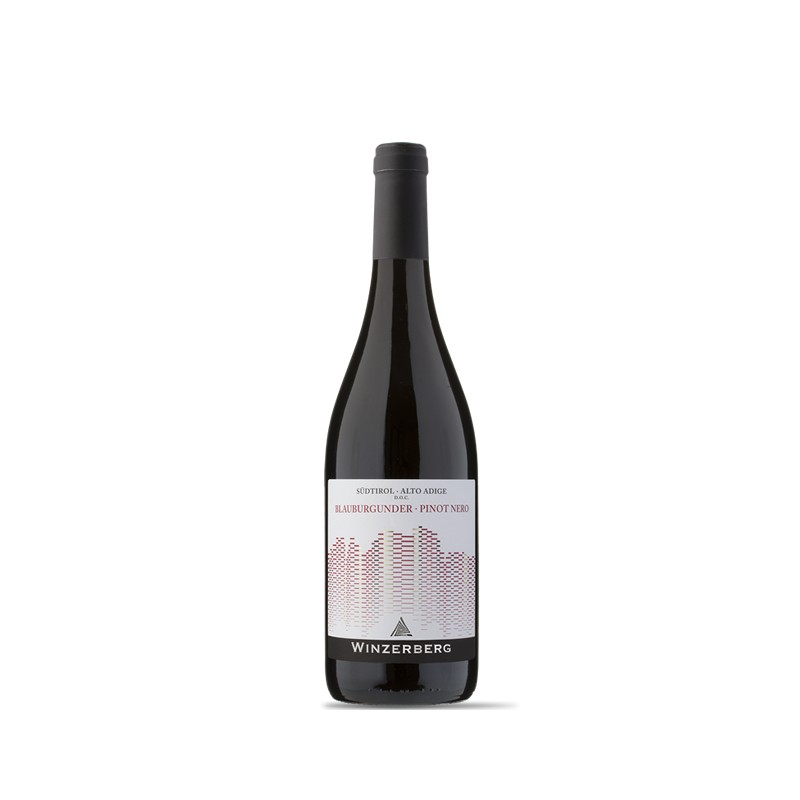
- Winzerberg Blauburgunder/Pinot Noir 2024 (Alto Adige) – violet and raspberry on the nose; on the palate described as “soft and creamy”. Product page
- Tiraki Pinot Noir 2022 (Marlborough) – clean red fruit, subtle tannin, easy flow. Product page
- Gustave Lorentz Pinot Noir Réserve 2022 (Alsace) – gentle style, ideal with white meats and autumn vegetable dishes. Product page
Young Nebbiolo with a fine touch – Langhe Nebbiolo “Dancestro”
Langhe Nebbiolo DOC “Dancestro” 2023 – Tenuta L’Illuminata offers red fruit and flowers with a silky texture. It’s more agile than a Barolo—perfect if you want to approach Nebbiolo with a soft, ready-to-drink profile. Product page
Valpolicella Ripasso “Zane” – rich smoothness
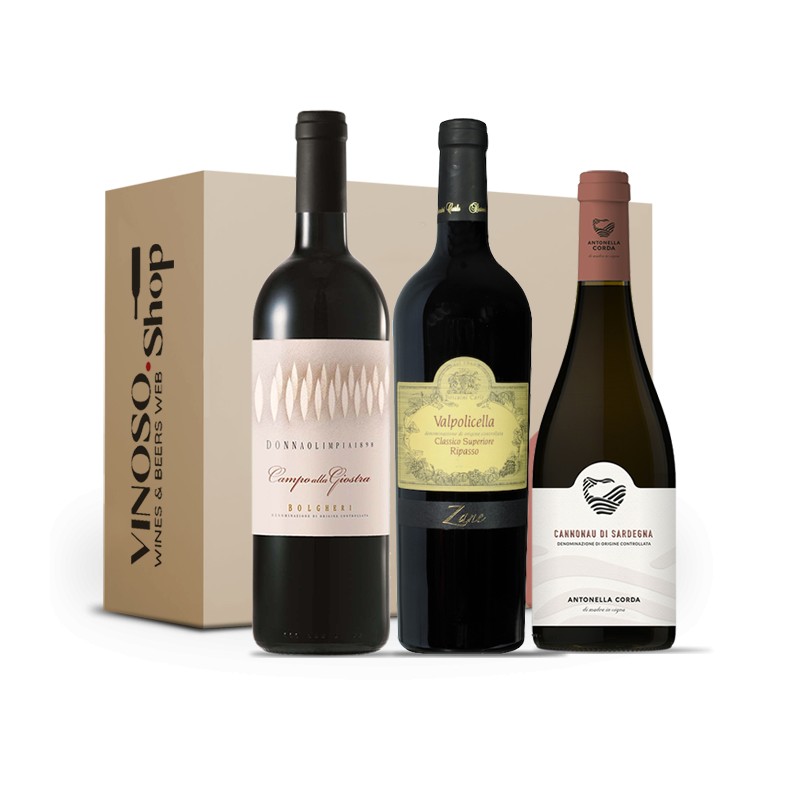
For a more enveloping smoothness, Boscaini Carlo Valpolicella Ripasso “Zane” 2020 combines ripe fruit and warmth, with soft tannin thanks to re-fermentation on Amarone pomace. It’s the classic couch-friendly smooth red for flavorful dishes. Product page
Themed boxes and ready-made tastings
- Valpolicella Experience – Ripasso and kin, to explore different shades of smoothness. View box
- Discover the Wines of Langa – selections featuring Dancestro for an elegant route. View box
Food Pairings for Smooth Red Wine
Autumn dishes and comfort food
With legume soups, sautéed mushrooms, light ragù lasagne or meatballs in sauce, a smooth red supports rounded flavors without weighing things down. Ripasso “Zane” stands up to rich sauces; fresher Pinot Noirs flatter mushrooms and roasted vegetables.
White meats and delicate cheeses
Rosy duck breast, light hunter’s-style chicken and glazed pork pair well with Pinot Noir. For cheese, go for young tommes and soft semi-hard cheeses: the wine’s smoothness mirrors the milk’s sweetness without excess saltiness.
Special occasions and cozy nights in
For a dinner for two, set up a mini flight: Alto Adige Pinot Noir → Nebbiolo “Dancestro” → Ripasso “Zane”. Three glasses, three textures: from floral velvet to rich smoothness, closing with the most enveloping sip.
Tips for Choosing a Smooth Red Wine Online
Reading the product page without getting lost
Look for keywords like “smooth,” “creamy,” “fine tannin,” “rounded.” Consider the area (Alto Adige, Valpolicella, Langhe) and the vintage: younger reds favor fruit and drinkability—great when you want immediate smoothness.
Temperature and glassware matter as much as the label
Serve Pinot Noir at 12–14 °C and agile Nebbiolo at 14–16 °C; keep Ripasso at 16–18 °C. Use medium-bowl glasses to showcase the fruit; avoid excess warmth that makes the sip feel heavy.
Refine your choice with simple trials
Taste two bottles side by side and, if you like, jot down: perceived smoothness, fruit juiciness, cleanliness of the finish. If in doubt, start with a Pinot Noir and a Ripasso: they cover two different archetypes of smooth red.
Conclusion – The Pleasure of Smooth Red Wine in Autumn
Rounded, fragrant, welcoming: a smooth red wine is the ally of autumn evenings. Between elegant Pinot Noir, fine Nebbiolo and Valpolicella Ripasso, Vinoso.Shop has concrete labels to build your seasonal cellar with confidence and taste.