
Your cart
There are no more items in your cart
 Italiano
 English
- Felipe Arosio
- Mondo Vino
- 129 views
Spiced wine and cuisine: discover unusual pairings
Just a pinch of pepper or a clove can change the destiny of a dish; in the same way, a glass of spiced wine can amplify aromas and depth of flavor. If you love playing with spices and scents, here you’ll find practical tips—easy to apply at home—and links to bottles actually available on Vinoso.Shop, allowing you to go from idea to purchase in just a few clicks.
We’ll start with the basics: what we mean by spiced wine, which sensory characteristics define it, and how aging can polish the tannin texture, making the sip more harmonious. Then we’ll move on to practical pairings with warm spices and ethnic blends, keeping an eye on temperatures and glassware for a proper service.
What is a spiced wine
Spiced wine: natural aromas from the grape and cellar refinement
When we talk about spiced wine, we don’t mean added spices, but rather natural nuances: black pepper, nutmeg, cloves, cinnamon, or licorice that emerge from the grape and its evolution. Grapes such as Nebbiolo and some Tuscan blends show spicy notes even when young; well-dosed oak and bottle aging can add hints of vanilla or sweet spices without overpowering the fruit. The goal is balance: the spiciness should support the dish, not dominate it.
Difference between spiced wine and aromatized wine
Spiced wine naturally expresses spicy aromas through grape variety, terroir, and aging; aromatized wine, on the other hand, comes from the addition of botanicals or spices (e.g., vermouth, mulled wine). They are legally and gastronomically different categories: the first is a still or sparkling wine meant for pairing, while the second is usually an aperitif or hot beverage. Knowing the difference helps you choose the right glass for every recipe.
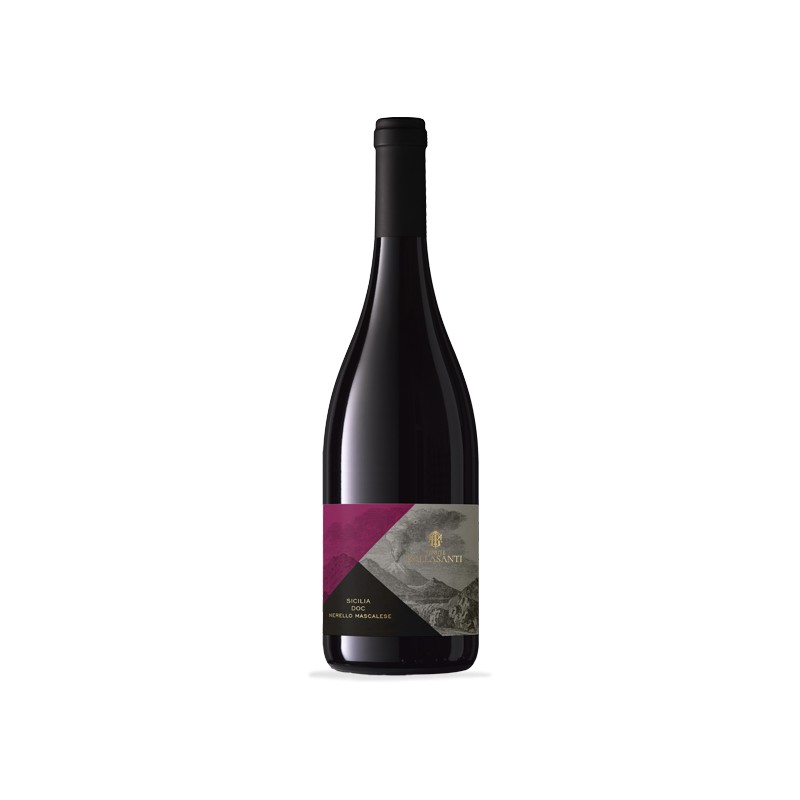
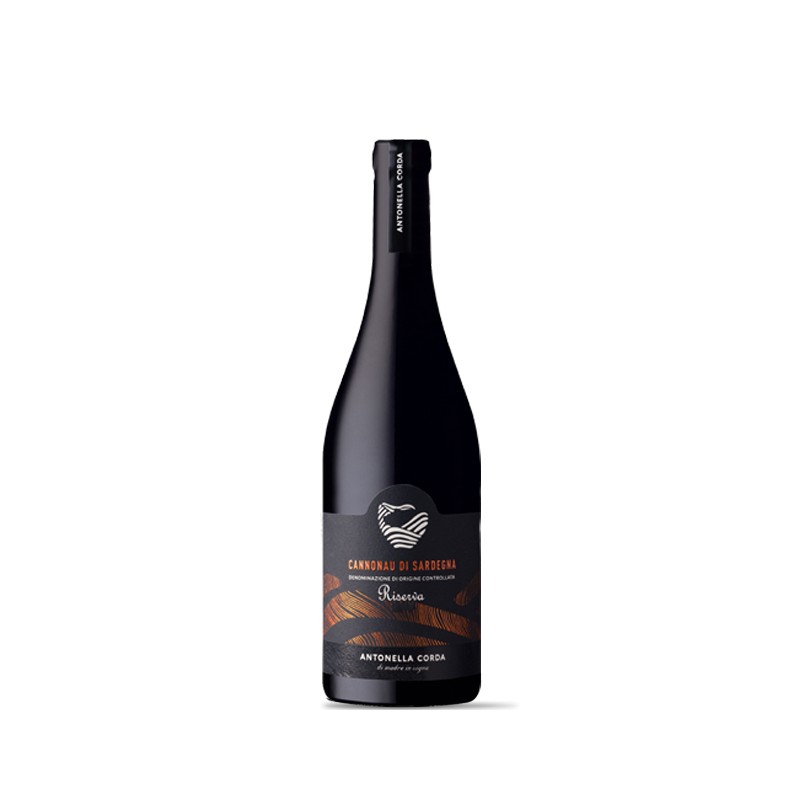
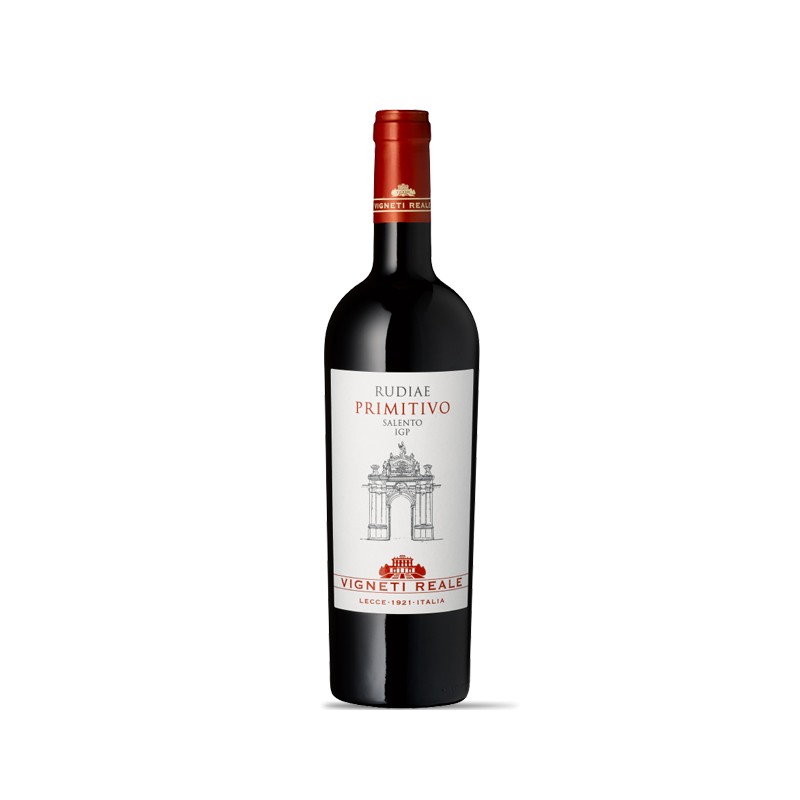
Food pairings with spiced wine
Warm spices and full-bodied spiced red wine
With black pepper, cloves, and cinnamon, choose a red wine with a full mid-palate and refined tannins: Nebbiolo and Tuscan coastal blends are excellent allies. The notes of licorice, pepper, and anise in Barolo pair beautifully with braised meats and dark sauces; Bolgheri reds combine dark fruit and fine spiciness, supporting roasted meats and savory dishes. Allow the wine a few minutes of air in the glass: oxygen opens the aromatic bouquet without adding heaviness.
Curries, ethnic blends, and clean-profile spiced wines
With yellow curries or fragrant masalas, choose wines with a clean nose and smooth texture: Tuscan blends with gentle spice or coastal whites with saline and citrus notes. Support the spices without creating bitter contrasts: avoid harsh tannins with intense spiciness and prefer wines that have aged just enough to soften edges.
Cinnamon and ginger desserts: spiced or lightly aromatic wine
For spiced desserts, the wine should remain fresh. Choose Metodo Classico sparkling wines with citrus profiles or light aromatic wines to avoid excessive sweetness. The spiciness of the dish should be matched with elegance: clean aromas and fine bubbles help close the meal smoothly.
Practical tips for tasting a spiced wine
Temperature, glassware, and oxygenation for spiced wines
For spiced reds, serve at 16–18 °C in large glasses: oxygen softens the tannins and enhances the spices. For savory, spicy whites, choose 10–12 °C and medium tulip glasses. If the nose seems closed, wait two minutes in the glass: air arranges the pepper and sweet spice notes without highlighting the alcohol.
Home storage and opening times
Store bottles in the dark, horizontally, and at a constant temperature. If opened early, reseal with a vacuum stopper or inert gas and keep refrigerated to preserve aromatic precision for 1–3 days (depending on the style). For premium labels, consider needle systems for by-the-glass service without oxidation.
Conclusion
A well-chosen spiced wine is a flavor multiplier: you can enhance braised meats, fragrant curries, or cinnamon desserts effortlessly. The wines featured on Vinoso.Shop allow you to buy safely and recreate the pairings anytime, keeping perfect harmony between dish and glass.
FAQ about spiced wine
Which wines are spiced? ▶
What is meant by aromatized wine? ▶
How can you tell if a wine has gone bad? ▶