Wine & Music – The music to listen to while tasting a red wine
The right track changes the sip: when notes and the glass speak to each other, multisensory tasting becomes clearer, more memorable, more yours.
Introduction to multisensory tasting: wine and music
Why pairing wine and music makes the experience unique
Starting from a focused soundtrack is a simple way to set the mood and sharpen aromas and texture. Research on multisensory perception indicates that timbres and pitches influence how we interpret sweetness, breadth, and length in red wine. In practice, a well-chosen playlist reduces distractions and makes it easier to recognize fruit, structure, and finish.
The senses working together in multisensory tasting
Sight, hearing, and touch interact with taste and smell, creating a coherent reading of the glass. Higher registers tend to make us perceive greater brilliance; lower registers push toward sensations of depth and warmth. This section introduces the method: build a sound environment that supports—without covering—the wine’s nuances.
The cultural bond between wine and music: symbols and contexts
Wine and music in European convivial traditions
From city festivals to small cellar concerts, wine and music share ritual and sociability. Toasts, choruses, dances: the relationship isn’t decorative but structural to the moment of gathering. Understanding this bond helps you pick tracks that match the atmosphere you want to create at home.
The symbolism of wine in musical and poetic texts
In our collective imagination, wine evokes celebration, intimacy, and memory. That’s also why a playlist can set up your listening to the glass: warm, enveloping tracks invite you to slow down; others bring energy and drive. The goal here is to offer shared language to describe the experience.
The science of pairing: how sounds guide wine perception
Sound and taste: what multisensory studies say
Various academic works show that certain sound characteristics can steer sip perception: bright timbres and “sweet” melodic lines are often associated with greater perceived sweetness; low frequencies and full sounds highlight body and tannic structure. It’s not about changing the wine, but about directing attention to specific aspects during tasting.
Tempo, volume, and frequencies: setting the playlist for red wine
Slow tempos and legato phrasing favor concentration and reading of length; clearer, more rhythmic patterns enhance freshness and juiciness. Keep the volume below conversation level: music should accompany, not dominate. This section provides technical criteria for designing tasting tracks.
Infographic (table): “Wine & Music Sensory Map”
Conceptual axes: musical register (treble ↔ bass) × perceived effect (brightness/freshness ↔ breadth/depth). Text indicators for perceived sweetness, tannin, persistence on a 1–5 scale (with horizontal bars).
Scale: 1 (low) → 5 (high)
| Musical register | Direction of perceived effect | Sweetness (1–5) | Tannin (1–5) | Persistence (1–5) | Wine example | Musical cues |
|---|
| High / Treble |
Brightness, freshness, lightness |
4 |
2 |
3 |
Young, nimble reds; light reds served slightly chilled |
High-pitched melodies, high-register instruments, gentle tempo |
| Upper-mid |
Balance between freshness and fullness |
3 |
3 |
3 |
Soft, velvety reds (e.g., Chianti Classico) |
Soft jazz, moderate dynamics, legato phrasing |
| Lower-mid |
Warmth, roundness, more substance |
2 |
4 |
4 |
Structured yet balanced reds (e.g., Barbera, young Nebbiolo) |
Chamber classical, medium-slow tempos, present bass |
| Low / Bass |
Breadth, depth, emphasis on body and finish |
2 |
5 |
5 |
Intense, mature reds (e.g., Brunello, Aglianico) |
Rock/ensemble with prominent low frequencies and wide dynamics |
| Note: values are indicative and meant to guide attention during listening and tasting. |
Red wine and music genres: easy combinations to try
Structured reds with symphonic classical
Full strings and wide dynamics help you read the volume and depth of the sip. For a buyable example on Vinoso.Shop, explore Barbera d’Alba “Colbertina” 2021 – Tenuta L’Illuminata; with slow movements, layering and a long finish emerge.
Supple reds with refined jazz
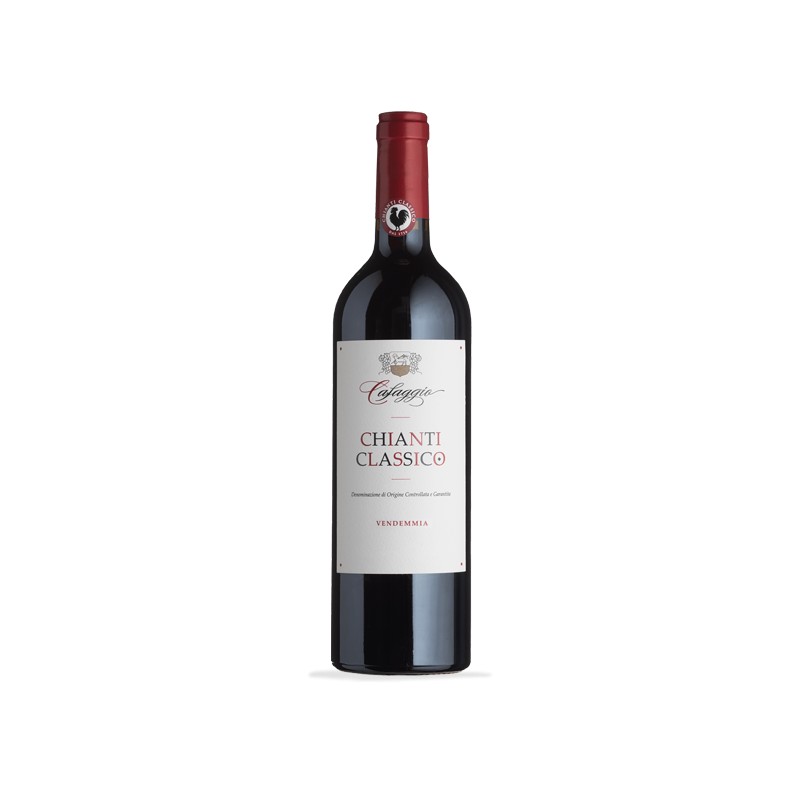
Double bass and brushes lay a soft carpet that supports silky tannins and ripe fruit. In the catalog, a Chianti Classico by Cafaggio pairs nicely with intimate combos, sustaining the wine’s fluidity.
Young reds with contemporary pop
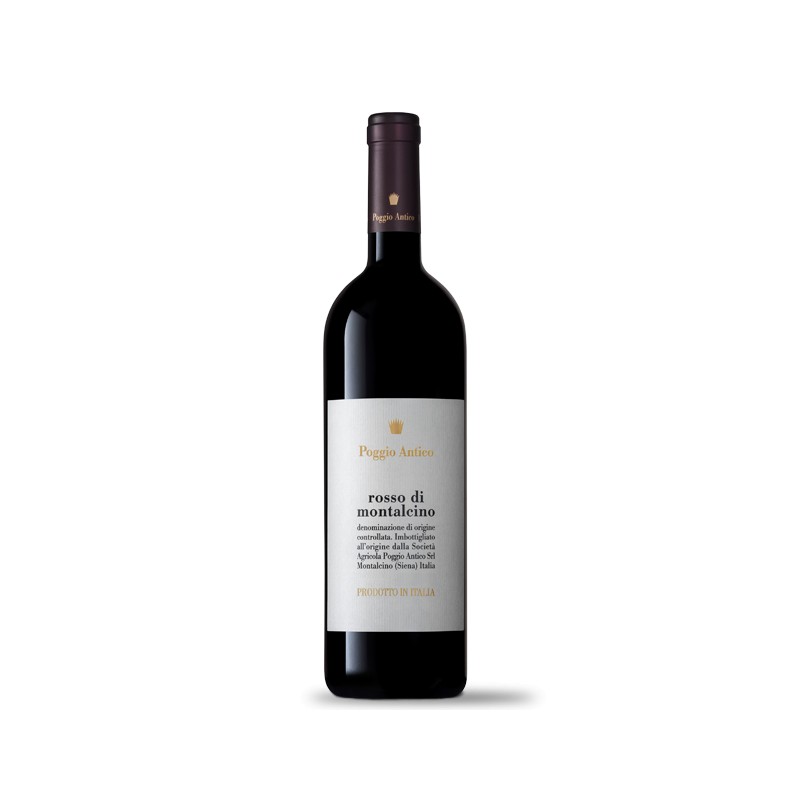
Clear hooks and moderate rhythm keep the focus on freshness and juiciness. An agile choice is Rosso di Montalcino 2022 – Poggio Antico, ideal for bright, feel-good playlists.
Intense reds with energetic rock
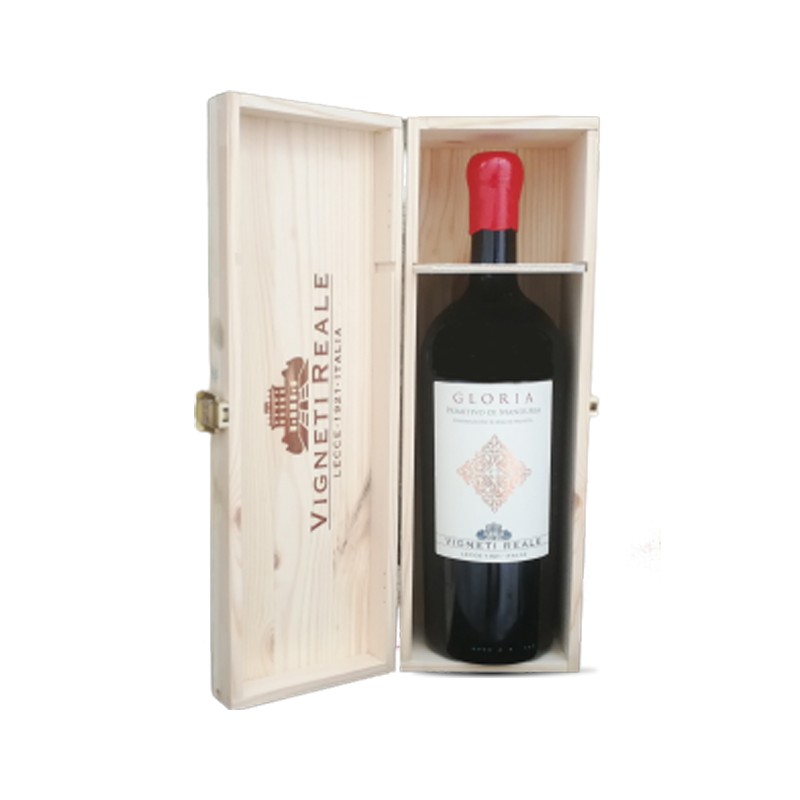
Saturated guitars and punchy drums accompany warm, enveloping reds—without cranking the volume. Consider a Primitivo di Manduria “Gloria” – Vigneti Reale for high-energy social evenings.
Practical tips to stage a multisensory tasting at home
Setting: light, glassware, clean listening
Before pouring, set the scene: warm diffuse lighting, a clear table, proper glassware, and the speaker at ear level. Audio quality matters more than effects: clean listening is less tiring and leaves room for the wine.
Ready-to-use playlists and track suggestions
Build two paths: a contemplative one (strings, slow tempos) for more structured reds; a bright one (clear melodic lines) for young reds. Use instrumental tracks during analysis phases, lyrics and choruses during convivial phases.
Ideas for a “wine & music” night with Vinoso.Shop wines
Set up three steps with wines available online: Barbera d’Alba Colbertina → Chianti Classico Cafaggio → Rosso di Montalcino Poggio Antico. Listen to sequences from treble to bass textures and note how fruit and persistence perception changes after bottle aging.
Conclusion – Wine & music, a simple guide to enjoy your glass
A tailored playlist guides how you listen to red wine and makes tasting more mindful. With a few criteria—register, tempo, volume—you can build multisensory paths and pick on Vinoso.Shop the bottle that best matches your taste.
FAQ about Wine & Music
What doesn’t pair well with wine? ▶
Big desserts with dry wines tend to create imbalance; very bitter foods (like artichokes) complicate pairing with many reds; marked spiciness and high alcohol accentuate heat. It’s better to seek balance between richness and freshness, saltiness and softness.
What does wine symbolize? ▶
In our imagination, wine stands for conviviality, reward, shared memory. This cultural value explains why the right musical frame amplifies the quality of the moment.
What’s a popular song about wine? ▶
“Red Red Wine” (Neil Diamond; famous in the UB40 version) is among the best known. Use it during convivial phases, while instrumental music is preferable during analysis.

 Italiano
 English