
Your cart
There are no more items in your cart
 Italiano
 English
- Felipe Arosio
- Mondo Vino
- 50 views
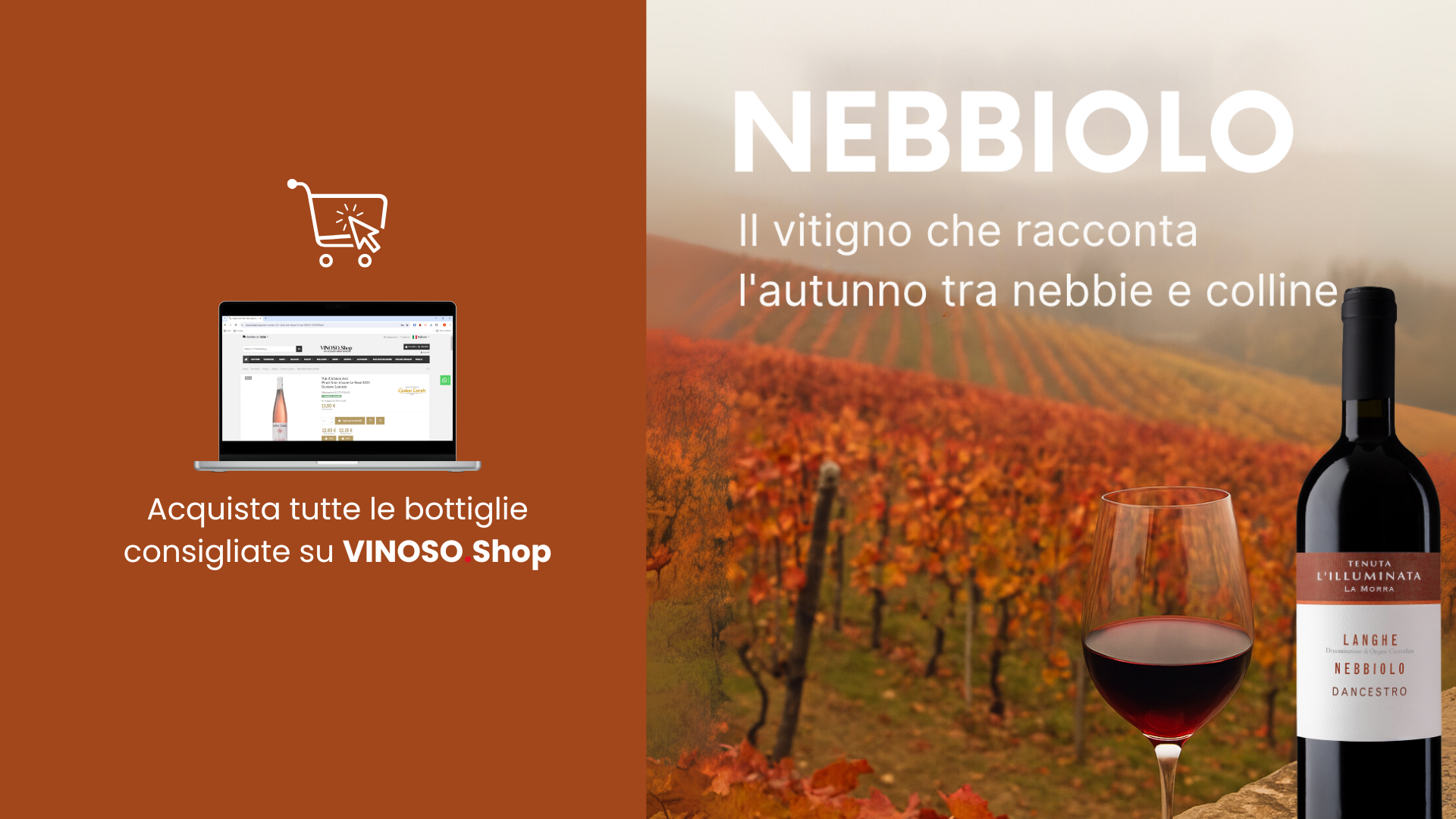
Amid morning mists and copper-colored hills, Nebbiolo wine captures the essence of autumn in every sip. Elegant and complex, it stands out for delicate aromas of violet, ripe red fruits, and subtle spices that envelop the senses, paving the way for a firm yet refined tannic texture. It’s the perfect companion for slow, intimate evenings, when time invites attentive, contemplative tasting.
Nebbiolo mirrors its homeland, with landscapes wrapped in fog and hills tinged with warm, coppery tones, delivering an intense and memorable tasting experience. In the glass, it tells stories of tradition, balance, and longevity, naturally accompanying hearty seasonal dishes like roasts, game, and aged cheeses.
Choosing Nebbiolo in autumn means embracing a wine that celebrates the season and invites you to slow down, savoring every detail like a true meditation wine.
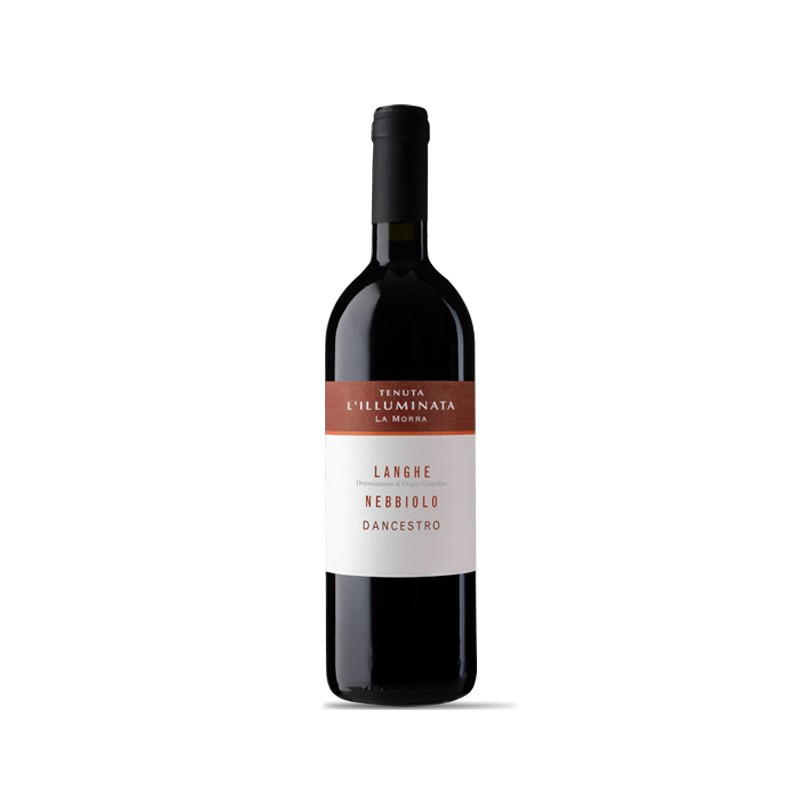
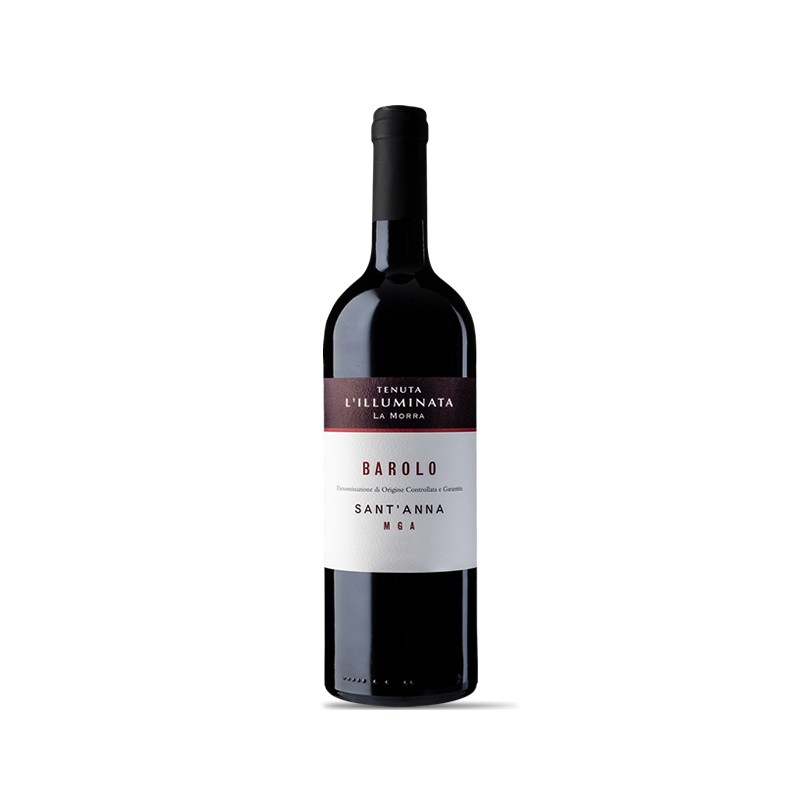
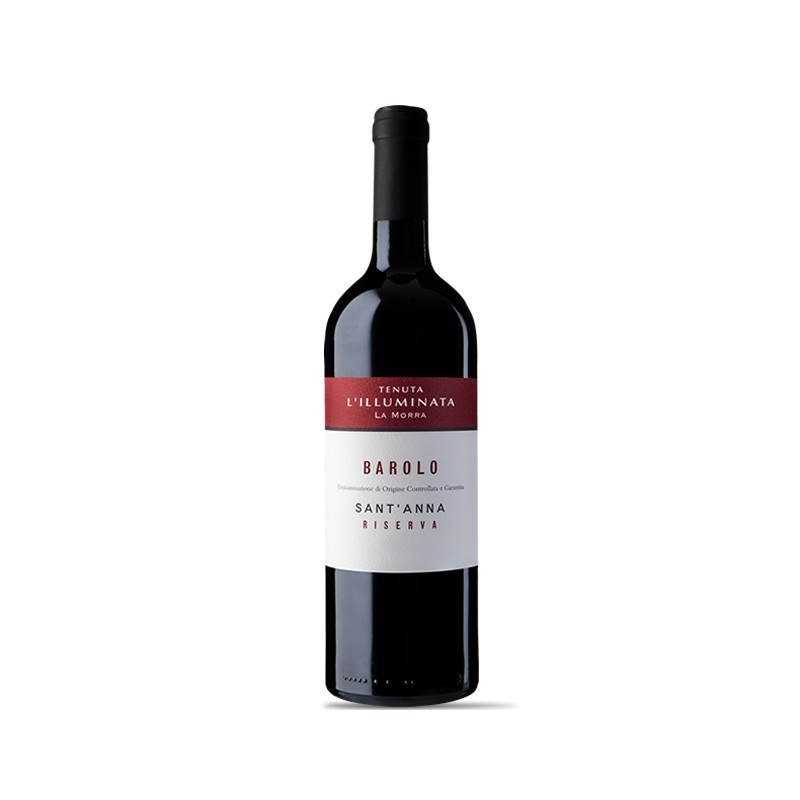
Nebbiolo Wine: Origins and Identity
History and Spread of Nebbiolo
According to the Langhe consortium, Nebbiolo is among the oldest native Piedmontese grape varieties; its name refers to “nebbia” (fog), either to the bloom that veils the berries or to the late harvest that falls during the first autumn mists.
From its cradle in the Langhe, the variety also took root in Lombardy—where it’s called Chiavennasca in Valtellina—and in the Aosta Valley, maintaining a strong bond with soils and exposures.
Ampelographic Traits of Nebbiolo
In the vineyard, Nebbiolo is demanding: it buds early and ripens late, needs breezy exposures and well-drained soils; it performs best on calcareous marls and ancient sands, where diurnal temperature swings refine its aromatic profile and tannic definition.
In the cellar, extraction management and measured oxygen are crucial: the goal is to guide tannin and freshness toward a balance capable of supporting maturation in wood and in bottle.
Nebbiolo Wine: Essential Sensory Traits
Color, Aromas, and Structure in the Glass
Nebbiolo stands out in the glass with its ruby color and garnet highlights, notable for transparency and brightness that naturally evolve with age. This hue underscores the grape’s elegance and foreshadows the gustatory complexity to come.
On the nose, intense and refined aromas unfold: delicate floral notes of violet and rose intertwine with red-fruit tones like cherry and raspberry. Spicy notes of licorice, black pepper, and balsamic hints add depth and character.
On the palate, Nebbiolo reveals a solid structure supported by lively acidity that brings freshness and drive. The tannins are dense yet elegant, finely chiseled and capable of delivering long persistence, balancing body and finesse in a harmonious equilibrium ideal for slow, meditative tasting.
Aging: How Time Shapes the Aromas
As time passes and the wine ages, Nebbiolo develops even deeper, more layered aromatic complexity. Refined tones of sweet spices like cinnamon and nutmeg emerge, alongside underbrush notes that evoke dried leaves, mushrooms, and moss.
Leather nuances and earthy accents add elegance and maturity to the bouquet. You’ll often find hints of dried herbs and citrus peel that bring freshness and complexity, balancing overall depth.
Wood aging—whether in large casks or barriques—must be carefully dosed to support structure and enhance depth without overshadowing fruit identity: the ideal wood accompanies without dominating.
Nebbiolo and Standout Territories
Barolo and Barbaresco: Two Takes on Nebbiolo
Barolo and Barbaresco are the two pinnacle expressions of pure Nebbiolo in the Langhe hills, yet they differ significantly in soils, microclimates, and aging rules. Barolo—often called “the king of wines”—requires elevated structure and prolonged aging, a minimum of 38 months with at least 18 in wood, resulting in extraordinary complexity and longevity.
Barbaresco, though deep and full of potential, tends to show a more ready and accessible profile, with a minimum aging of 24 months, at least 9 of which in wood. Different yet complementary, they reveal two faces of the same grape.
Nebbiolo in Valtellina Superiore (Chiavennasca)
In Valtellina, Nebbiolo is known as Chiavennasca and grows on steep terraced slopes, in heroic conditions that imprint a strong identity on the wine. The Valtellina Superiore DOCG requires a minimum of 24 months’ aging, at least 12 in wood, with the Riserva designation after 36 months.
The wines show more streamlined profiles and a saline character, with finely chiseled tannins and a distinctive alpine matrix.
Other Expressions: Langhe Nebbiolo and Nebbiolo d’Alba
Beyond the DOCGs, Langhe Nebbiolo and Nebbiolo d’Alba labels offer more immediate access to the variety’s style: leaner vinification and shorter aging ensure drinkability and definition while preserving the bond with place and tradition.
Nebbiolo Pairings: How to Enjoy It at the Table
Meat and Autumn Dishes
Braises, stews, and game tame Nebbiolo’s tannic frame, enhancing depth and persistence. Among first courses, tajarin with ragù, mushroom risottos, and truffle dishes find perfect balance with its vivid acidity.
Aged Cheeses and Vegetal Cuisine
Castelmagno, Bitto, and aged tomes balance tannic grip. On the vegetable side, mushroom lasagna, polenta with cheese, and roasted vegetables echo Nebbiolo’s underlying sweetness while its acidity refreshes the palate.
Service: Glassware, Temperature, and Decanting
Use large bowls to encourage oxygenation; ideal temperature is 16–18 °C. Decanting (even briefly) helps especially with dense or older bottles, softening tannins and revealing aromatic detail.
Practical Tips for Choosing Nebbiolo
- To start, consider Langhe Nebbiolo with a sleek profile: access varietal traits without long waits.
- For greater depth, move up to Nebbiolo d’Alba or selections with longer aging paths.
- For important dinners, opt for Barolo and Barbaresco, checking vintage, provenance, and stated aging times.
Conclusion: Nebbiolo, the Companion of Autumn
In a few lines, Nebbiolo shows why it’s so beloved: layered aromas, vibrant structure, and a unique ability to express its terroir.
Autumn is its natural stage: between bountiful tables and unhurried evenings, each label changes pace with time and aging. On Vinoso.Shop you’ll find bottles ready to be chosen with confidence; fine-tune the service and give the glass the space it deserves.