
Your cart
There are no more items in your cart
 Italiano
 English
- Felipe Arosio
- News
- 215 views

Classic Method Brut: What It Really Means
The Classic Method Explained Simply
When we talk about 'Classic Method Brut', we're referring to a sparkling wine production technique that prioritizes quality and complexity. This method, also known as the traditional method, involves a second fermentation in the bottle, during which the wine develops fine and persistent bubbles. It's the same process used to make Champagne.
Unlike the Charmat method, where the second fermentation occurs in a pressurized tank, the classic method allows greater interaction between the wine and the lees, enriching its aromatic profile and structure. As a result, wines made using this technique are often more complex and suitable for aging.
Crémant d'Alsace, like Champagne, follows this technique. Thanks to the quality of the grapes and the careful production process, these sparkling wines offer refined and satisfying tasting experiences.
What Does "Brut" Mean and How It Affects Taste
The term 'brut' refers to the residual sugar level present in sparkling wine. According to international classification, a 'brut' wine contains less than 12 grams of sugar per liter, making it dry and particularly fresh on the palate.
This category is ideal for those seeking a balanced and not sweet sparkling wine. Compared to other types like 'extra dry' or 'demi-sec', brut is highly versatile for food pairings, offering a clean and crisp taste.
Choosing a Crémant d'Alsace brut made with the classic method means opting for an elegant wine with a precise taste, perfectly suited to appetizers, main courses, and special occasions.
Crémant d'Alsace: The French Alternative to Champagne
Origins and Characteristics of Crémant
Crémant d'Alsace is one of the most elegant expressions of classic method brut outside the Champagne region. Produced in Alsace, one of France's most prestigious wine regions, this sparkling wine follows the strict traditional method, offering refined structure, fine perlage, and aromatic complexity. It has won over European consumers thanks to its excellent quality-price ratio, positioning itself as a valid alternative to Champagne for many occasions.
The Role of the Alsatian Terroir
Alsace is a region characterized by a semi-continental climate with warm summers and cold winters, protected by the Vosges Mountains which reduce rainfall, allowing for high sunshine exposure and significant temperature variation. This climate favors slow grape ripening and notable acidity in wines. Its terroir is known for a wide variety of soils (over 13 types), derived from parent rocks such as granite, clay, limestone, and volcanic rock, giving wines unique complexity and minerality.
The predominant grape varieties in Alsace are Riesling, Gewürztraminer, Pinot Gris, Muscat, Sylvaner, Pinot Blanc, and to a lesser extent, Pinot Noir. These grapes express the local terroir to the fullest, resulting in aromatic white wines with intensity and perfect balance between freshness, acidity, and structure.
Crémant d'Alsace, a sparkling wine mostly made from Pinot Blanc, Pinot Noir, and Chardonnay (the latter introduced more recently), reflects this terroir with elegant bubbles, a mineral and floral profile, ideal both as an aperitif and paired with refined dishes.
Tasting Classic Method Brut: A Guide for Enthusiasts
How to Serve a Crémant d'Alsace
Properly serving a Crémant d'Alsace brut is essential to appreciate all its nuances. The ideal temperature is around 6–8 °C (43–46 °F), reached gradually in the refrigerator. The recommended glass is a Champagne flute, tall and narrow, which helps preserve the perlage and concentrate aromas. Avoid overly narrow flutes that limit aromatic expression. Open the bottle gently, keeping the cork under control to avoid sudden shocks that could affect the wine's quality.
Tasting Notes and Typical Aromas
The aromatic profile of Crémant d'Alsace brut ranges from delicate hints of white fruit and flowers to more complex notes of bread crust and toasted almonds. On the palate, it is fresh, with a fine and persistent perlage, offering elegance and structure. The finish is clean, often with a pleasant minerality. Complexity depends on the grape variety and length of aging on the lees.
Crémant d’Alsace Brut by Gustave Lorentz: Product Focus
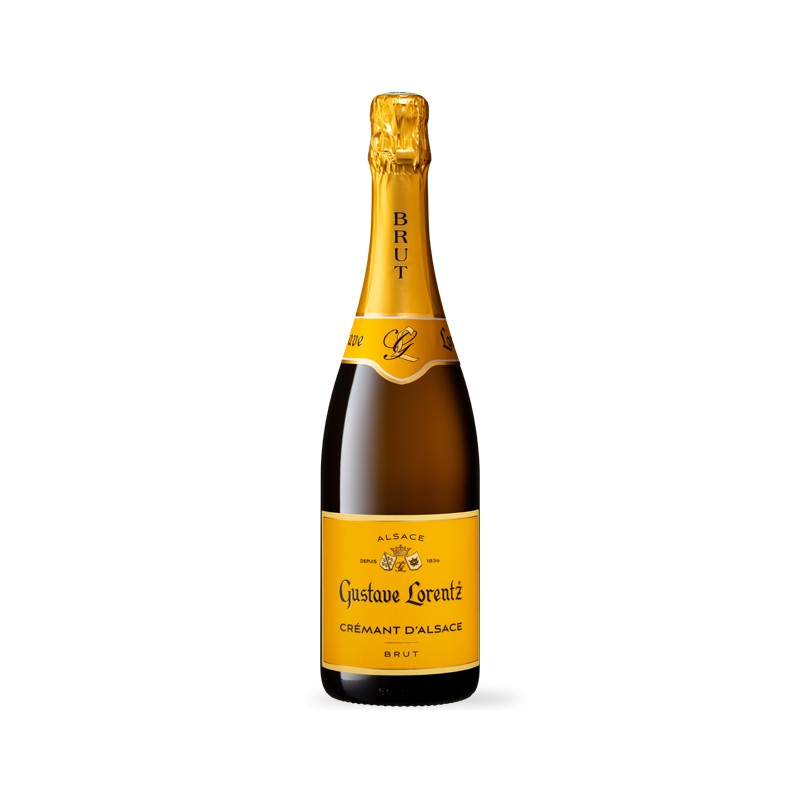
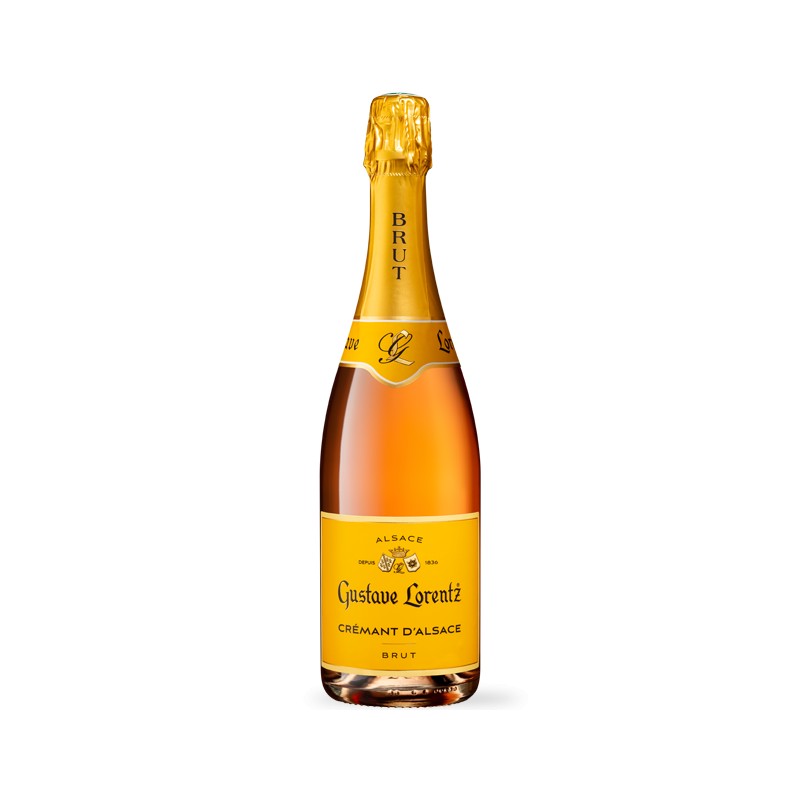
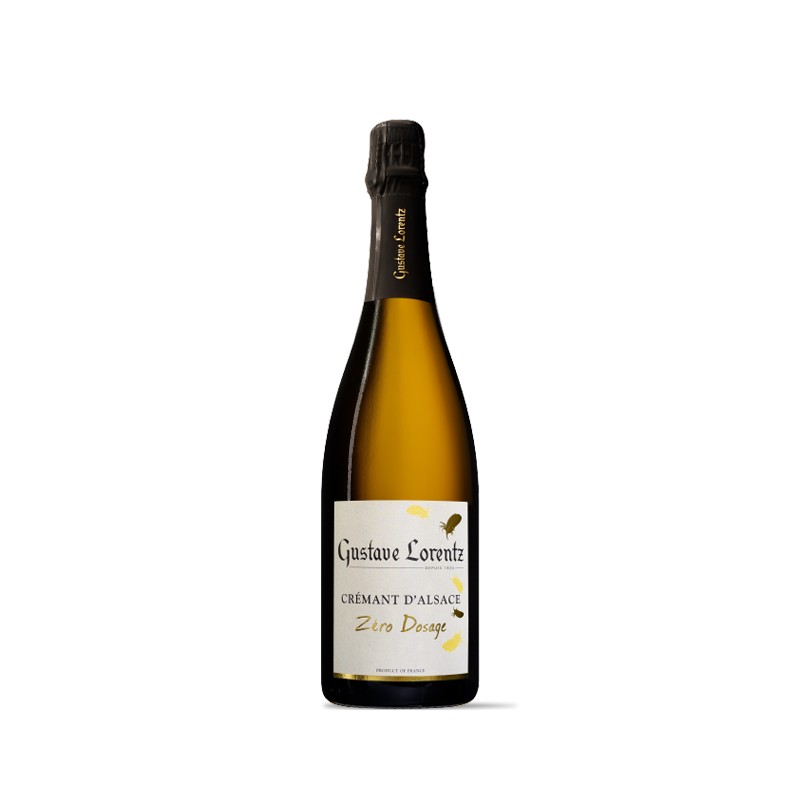
The Crémant d’Alsace Brut by Gustave Lorentz is one of the flagship labels available on Vinoso.Shop. Produced using the classic method and aged on the lees for at least 24 months, it offers a perfect balance of freshness, structure, and complexity. Perfect as an aperitif or paired with light dishes, it features floral notes, green apple, and pleasant savoriness.
Classic Method Brut: Perfect Pairings
Appetizers and Finger Food
Crémant d'Alsace brut pairs perfectly with a wide range of appetizers, especially delicate and refined ones. Salmon canapés, fresh cheeses like robiola or burrata, and tartlets with fish or grilled vegetables enhance the wine's freshness and effervescence. The fine bubbles help cleanse the palate, making each bite a new experience.
Main Courses and Special Occasions
Even during a meal, classic method brut maintains its charm. It pairs elegantly with fish dishes like baked sea bass or delicate risottos, as well as white meats like herb chicken or turkey in a light sauce. Ideal for festive occasions or romantic dinners, it adds a touch of refinement to the table without overwhelming the palate.
Brut as an All-Meal Wine
Contrary to popular belief, a Crémant d'Alsace brut can accompany an entire menu. Its balanced structure and lively acidity allow it to pair well with diverse ingredients while maintaining flavor consistency. It's an excellent choice for those seeking a versatile bottle for the whole meal, from starter to lightly sweet dessert.
Buying Crémant Online: What to Know Before You Buy
Price Differences and What They Mean
The price of a Crémant d'Alsace brut can vary significantly depending on grape quality, aging time, and the producer's reputation. More affordable versions offer immediate freshness and pleasantness, while premium ones stand out for complexity, fine perlage, and structure. Historic houses and independent producers selected on Vinoso.Shop often guarantee excellent value for money.
How to Store Classic Method Brut at Home
To preserve the organoleptic qualities of brut Crémant, it's essential to store the bottle horizontally, away from direct light and temperature fluctuations. The ideal storage temperature is between 10 and 15 °C (50–59 °F). Once opened, consume within 24 hours, keeping it sealed and refrigerated to retain effervescence.
Why Buy from Vinoso.Shop
Buying Crémant d'Alsace from Vinoso.Shop means relying on a curated selection and professional service. Our catalog includes only quality labels, with detailed product sheets and secure shipping. Plus, with progressive discounts, the more you buy, the more you save, making your shopping experience both convenient and rewarding.
Conclusion: The Classic Method Brut for Every Occasion
Crémant d'Alsace brut represents an elegant, accessible, and surprisingly versatile option for those seeking high-quality classic method brut. Thanks to rigorous production methods, the influence of the Alsatian terroir, and a variety of pairing options, it remains an excellent choice for both aperitifs and full meals.
For wine lovers looking to explore new options without compromising on quality, Vinoso.Shop offers a curated and convenient selection that enhances every special occasion. Check out our collection and let our expertise guide you.