
Your cart
There are no more items in your cart
 Italiano
 English
- Felipe Arosio
- News
- 182 views
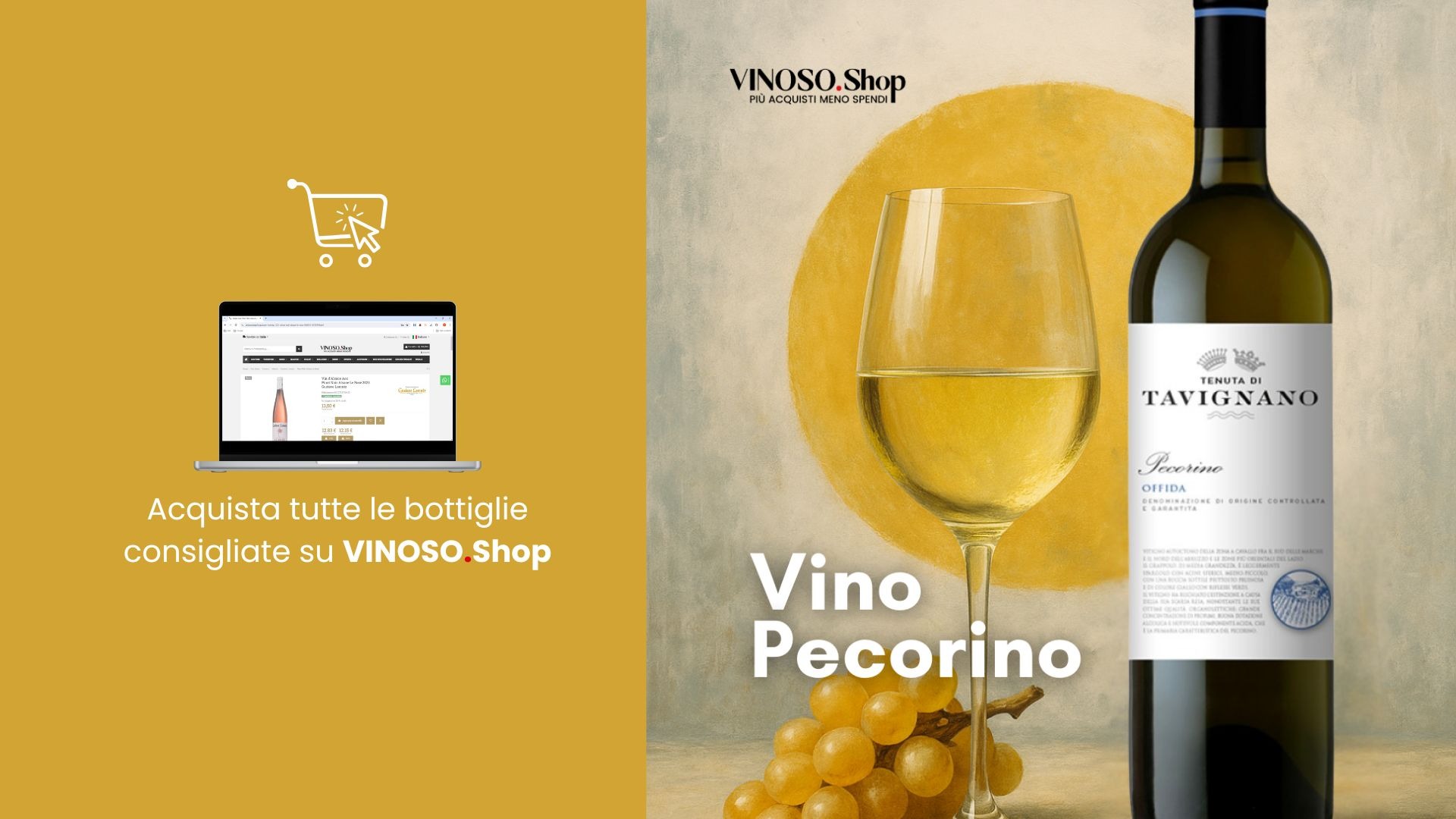
Introduction to Pecorino wine: why Pecorino is so popular online
Discovering Pecorino today means stepping into the world of a crisply defined Italian white that blends freshness, clean aromatics, and good structure—qualities that make it perfect for online purchasing.
In the B2C landscape, Pecorino stands out for its value for money and for its presence in solid denominations such as Abruzzo DOC and Offida DOCG, whose clear production rules help consumers make confident choices.
What is Pecorino wine: definition and origins
Definition: what do we mean by Pecorino wine?
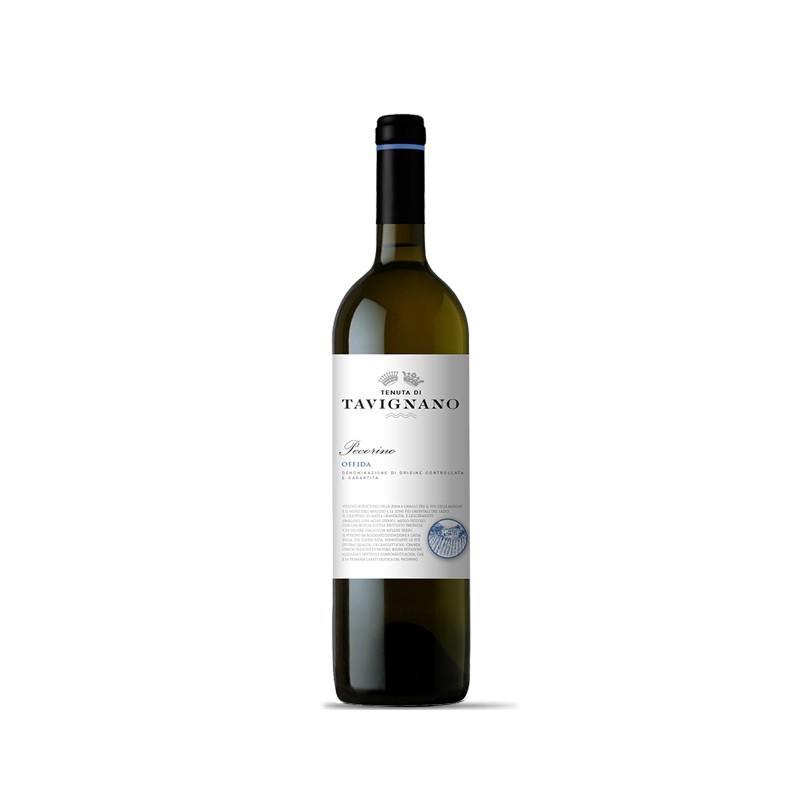
Pecorino wine is a white wine made predominantly from the Pecorino grape—an indigenous variety from central Italy, listed in the Italian National Register of Vine Varieties (code 184, synonym Vissanello). In key designations of origin such as Offida DOCG (Pecorino type) and Abruzzo DOC (Pecorino type), the production regulations set minimum grape percentages, alcohol levels, and analytical parameters that shape the style.
Origins: history and territory
Historical sources place Pecorino between Marche and Abruzzo, with old references and a current spread across well-ventilated hillside areas. The name recalls the agropastoral environment of central Italy; beyond etymology, what matters to buyers is the link to suited zones where day–night temperature swings and altitude help preserve aromas and natural acidity.
Characteristics of Pecorino wine: sensory profile
Color, aromas, and taste
In the glass, Pecorino typically shows a straw-yellow hue of varying intensity, with green or golden highlights. On the nose: white flowers, citrus, stone fruit, and herbal notes—sometimes hints of anise or sage. On the palate it combines freshness, savory minerality, and good length.
Alcohol, structure, and freshness
In typical versions, minimum alcohol set by regulations starts around 11.5–12% vol depending on the type. Structure is medium-bodied for an easy-drinking white, with lively acidity supporting the finish. Many labels favor stainless steel and aging on fine lees for weeks or months to enhance aromatic clarity and softness without oak notes.
Where Pecorino is made: zones and denominations
Production areas
The best-known areas are in Marche and Abruzzo, with hillside vineyards exposed to breezes and healthy temperature ranges. In these conditions Pecorino retains bright aromatics and acidity—key factors for a fresh yet structured style.
Pecorino denominations: what to look for on the label
On the label, look for denominations such as Offida DOCG (Pecorino) in Marche and Abruzzo DOC (Pecorino) in Abruzzo. The rules define minimum variety content, alcohol level, and analytical parameters, ensuring consistent standards. For online shoppers, these acronyms are a reliable reference for selecting bottles that are coherent in style and quality.
How to choose Pecorino online: a practical e-commerce guide
Budget and occasions
Before checkout, define the occasion: casual aperitif, fish dinner, gift. Pecorino offers many options under €20–25, a perfect range to discover dependable producers and protected denominations.
Label, vintage, and style
Read the product sheet carefully: denomination, vintage, and winery information (stainless steel, lees aging, possible sparkling versions) help you pick the style. If you want crispness and snap, choose stainless-steel versions with brief aging; for extra roundness, look for labels with extended lees contact.
Reviews and scores
Guide ratings are useful to navigate the market, but they don’t replace the objective parameters on the label. Use them as confirmation, not as the only criterion—coherence with the denomination and your desired style come first.
Serving Pecorino: temperature, glassware, and storage
Serving temperature
To highlight aromatics and texture, serve Pecorino around 10–12 °C (50–54 °F). Colder temps mute aromas; warmer ones emphasize alcohol. For sparkling versions, stay around 6–8 °C (43–46 °F).
The right glass
Choose a medium-sized glass with a slightly wider bowl: it helps aromas open without dispersing Pecorino’s citrus-herbal profile. Avoid very small glasses that penalize the nose.
Home storage
Keep bottles away from light and temperature swings, laid flat if sealed with cork. If you don’t have a wine fridge, pick a cool, stable spot; once opened, reseal with an airtight stopper and drink within a few days.
Food pairings with Pecorino: what to eat with it
Classic pairings
With seafood, Pecorino finds a natural balance: spaghetti alle vongole, crudo and carpaccio, baked fish. It also shines with light soups and mixed fried seafood, where freshness and salinity cleanse the palate.
Creative pairings
Day-to-day, it works with grain salads, grilled vegetables, and fresh cheeses. For herb- or lemon-based white meats, Pecorino’s structure provides support without overwhelming flavors.
Pairings with Pecorino wine
Common mistakes with Pecorino: how not to get it wrong
Buying mistakes
Don’t stop at the lowest price: always check the denomination, vintage, and winemaking style. Avoid vague product pages and prefer clear information on grape variety and aging.
Serving mistakes
Serving it too cold flattens aromas; too warm makes it heavy. Choose the right glass and don’t overlook home storage—details that make a real difference.
Shopping tips on Vinoso.shop: Pecorino selections and how to filter
How to use filters to find Pecorino
Use category filters to combine price, region, and style. Select “still white” or “sparkling” and refine with your preferred denomination (Offida DOCG, Abruzzo DOC).
What to read on the product page
Focus on variety, denomination, vintage, and cellar notes (stainless steel, lees aging). Look for suggested pairings and, when available, guide scores as an additional cross-check.
Conclusions: summary and next steps
In short, Pecorino is a white with a clear identity: clean aromas, bright acidity, and balanced structure. Understanding denominations and styles lets you buy online with confidence, selecting bottles that match your taste and occasion.
The next step is to explore our dedicated selection: use filters to find the profile you want and—if you like experimenting—compare different vintages and interpretations. That way, every purchase becomes a targeted, surprise-free experience.