
Your cart
There are no more items in your cart
 Italiano
 English
- Felipe Arosio
- News
- 107 views

Introduction to Petit Verdot
When a deep and bright red appears in the glass, the mind immediately goes to Petit Verdot: a grape capable of combining structure, floral aromas, and great personality. In the Italian and European wine scene, Petit Verdot has earned space and curiosity: born in France and made famous in Bordeaux blends, today it finds in Tuscany an ideal habitat where it can also be expressed in purity. This guide will make it easy to navigate characteristics, flavors, and bottles not to miss, with particular attention to Donna Olimpia 1898 labels available on Vinoso.shop.
History and Characteristics of Petit Verdot
French Origins and Bordeaux
Born in Bordeaux, Petit Verdot is a late-ripening black grape variety, often used in blends to provide color, tannin, and depth. Its late ripening made it a difficult variety for centuries, but capable of great results.
Petit Verdot in Italy and Tuscany
In Tuscany – especially in Maremma and Bolgheri – it has found the ideal climate to fully ripen. Here it is increasingly vinified as a single varietal, revealing structure and unmistakable character.
Ampelographic Features
The clusters are small and compact, the berries with thick, dark skins. It loves well-drained soils and warm climates. The resulting wines are intense, deeply colored, and capable of long aging.
Organoleptic Profile of Petit Verdot
Color and Structure
It offers ruby-violet reflections to the eye. On the palate, it stands out for its full body, balanced freshness, and firm tannins.
Typical Aromas
Aromas of plum, blackberry, violet, and Mediterranean spices. With aging, cocoa, vanilla, and balsamic notes appear.
Recommended Pairings
Perfect with grilled red meats, game, braised dishes, and aged cheeses. Also excellent with flavorful first courses.
Petit Verdot in Tuscany and Donna Olimpia 1898 Wines
Tuscany IGT Petit Verdot
The Tuscany IGT denomination enhances single-varietal versions: intense reds, spicy, with great potential.
Donna Olimpia 1898: Territory and Vision
Located in Castagneto Carducci (Bolgheri), Donna Olimpia 1898 produces Petit Verdot in purity, focusing on full ripeness and consistent quality.
Labels Available on Vinoso.shop
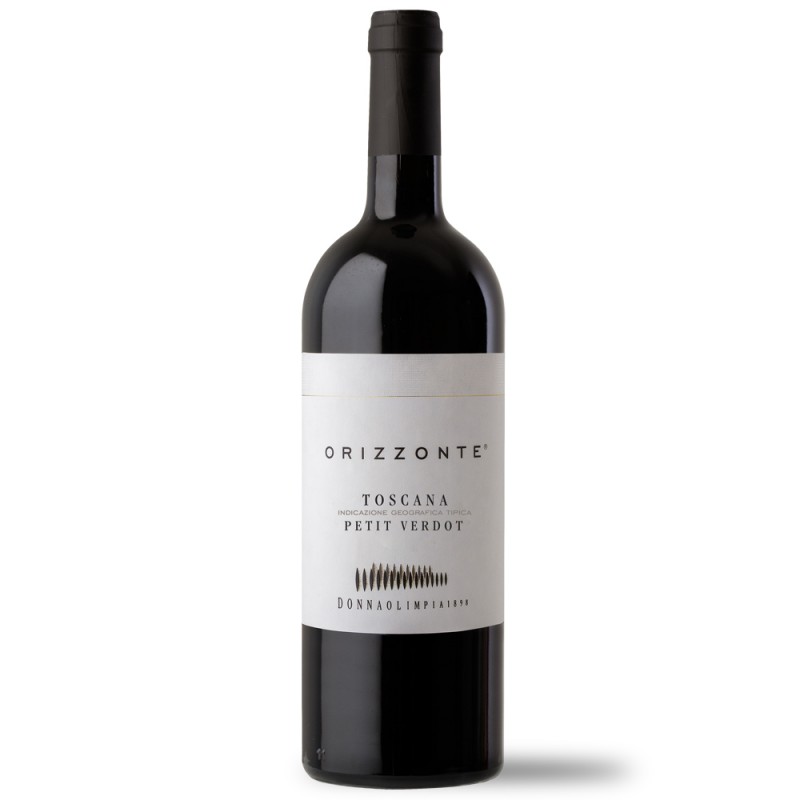
- Tuscany IGT Orizzonte 2017 (0.75 L)
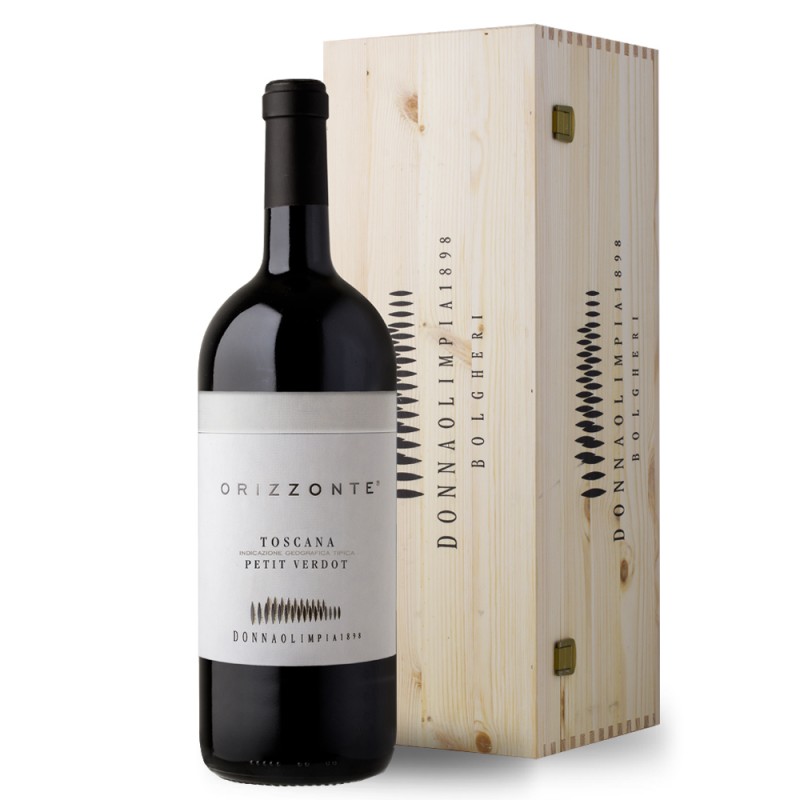
- Tuscany IGT Orizzonte Magnum 2016 – Wooden Case (1.5 L)
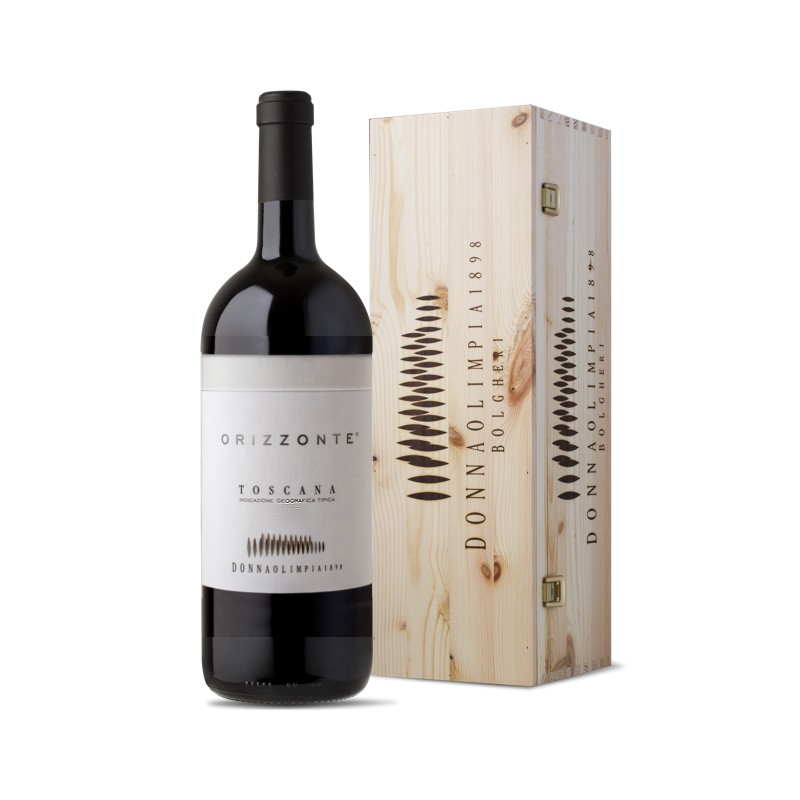
- Tuscany IGT Orizzonte Jéroboam 2016 – Wooden Case (3 L)
How to Choose and Taste Petit Verdot
Price Ranges and Occasions
The 0.75 L bottle is versatile, ideal for dinners and barbecues. Magnum and Jéroboam evolve slowly, perfect for collectors and special occasions.
Step-by-Step Tasting
Observe the color, smell with gentle movements, and taste by seeking balance between freshness and tannins. Serve at 16–18 °C in large glasses.
Tips for Enthusiasts
Vintages such as 2016 and 2017 from Donna Olimpia show excellent structure. Store bottles lying down, protected from light and temperature changes.
Conclusion – Why Choose Petit Verdot Today
Petit Verdot stands out for its intensity, floral elegance, and ability to age over time. Donna Olimpia 1898 labels available on Vinoso.shop are an opportunity to explore this grape in purity, with wines suitable both for immediate consumption and for the cellar.