
Your cart
There are no more items in your cart
 Italiano
 English
- Felipe Arosio
- News
- 192 views
Introduction to Structured Red Wine (Focus on Barbera)
There’s a moment when the glass calls for important dishes: that’s the moment for structured red wine. Among the most appreciated choices online on Vinoso.shop, Barbera stands out for its deep color, juiciness, and persistence—perfect for those seeking characterful reds.
For buyers in Italy and across Europe, this guide to structured red wine focuses on Barbera, with real examples from the catalog and practical tips to recognize structure, choose wisely, and pair it at the table.
Characteristics of Structured Red Wine
Color, Aromas, and Texture in the Glass
In structured red wine, the color is dense, the bouquet layers red fruits and spices, and the palate shows volume and length. Thanks to naturally high acidity and good extract, Barbera offers an agile yet firm structure.
Grape, Terroir, and Techniques that Build Structure
The grape provides the base (acidity, alcohol, tannin), the terroir shapes ripeness and fullness, and the cellar refines: time on fine lees and judicious oak help the weave without masking the fruit. When everything is in harmony, the wine can age and gain complexity.
Matrix of Structure in Red Wines
Four main axes (acidity, tannin, alcohol, extract) and three technical layers (maceration, oak, aging time) that shape the perception of structure.
Structure Axes
| Axis | Sensory effect | Scale (indicative) |
|---|---|---|
| Acidity | Lifts, cleanses, lengthens the sip | Low · Medium · High |
| Tannin | Texture, grip, aging potential | Low · Medium · High |
| Alcohol | Warmth, volume, roundness | Moderate · Medium · High |
| Extract | Gustatory density, persistence | Low · Medium · Medium-High · High |
Technical Layers
| Layer | How it affects structure | Typical settings |
|---|---|---|
| Maceration | Increases tannin, color, extract | Short · Medium · Long (with pump-overs/délestage) |
| Oak | Micro-oxygenation, tannin integration, complexity | Large casks · Barrique (1st/2nd fill) · Light toast |
| Aging time | Blends components, lengthens the finish | Steel/oak + bottle (months/years depending on style) |
Applied Example: Barbera
| Parameter | Indicative value | Note |
|---|---|---|
| Acidity | High | Supports freshness and longevity |
| Tannin | Medium | Present texture but not dominant |
| Alcohol | Medium | Contributes to volume |
| Extract | Medium-High | Density and persistence |
| Maceration | Medium | Calibrated extraction management |
| Oak | Measured use | Large casks / barrique for integration |
| Aging | Medium | Steel/oak + bottle |
Barbera: A Symbol of Structured Red Wine
Origins and Key Areas
Born and rooted in Piedmont, Barbera finds prominent expression in the denominations Barbera d’Asti DOCG, Barbera d’Alba DOC, and Barbera del Monferrato (also Superiore DOCG). These areas highlight styles ranging from everyday drinkability to structures capable of evolving in bottle.
Organoleptic Profile of Structured Barbera
In the glass it shows intense ruby color, ripe red fruit, sweet spices, and a hallmark freshness. In more ambitious versions, carefully managed oak integrates volume and lengthens persistence.
Barbera and Aging Potential
Natural acidity supports its ability to age, harmonizing components over time—useful guidance when choosing vintages and formats for a more complex profile.
Structured Reds on Vinoso.shop (Barbera and Related)
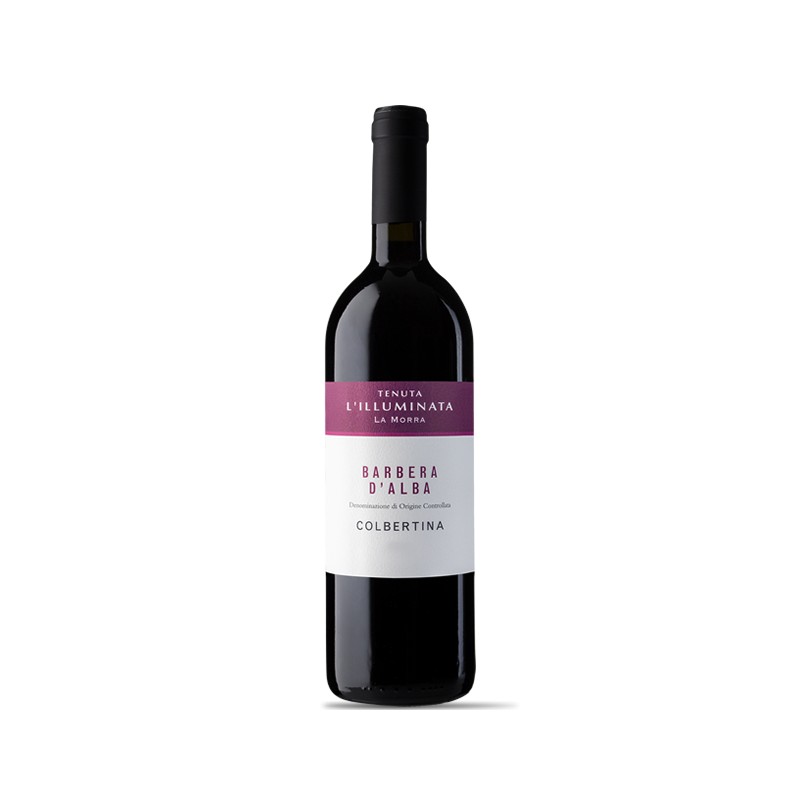
Barbera d’Alba DOC – Barbera Colbertina 2021 (Tenuta L’Illuminata)
A concrete catalog example: Barbera Colbertina 2021 by Tenuta L’Illuminata (Barbera d’Alba DOC). Dark-fruited profile, spicy tone, and vibrant energy on the palate: a versatile structured red for braises and aged cheeses. Product page and availability can be viewed on Vinoso.shop.
Other Structured Reds to Consider for Pairing
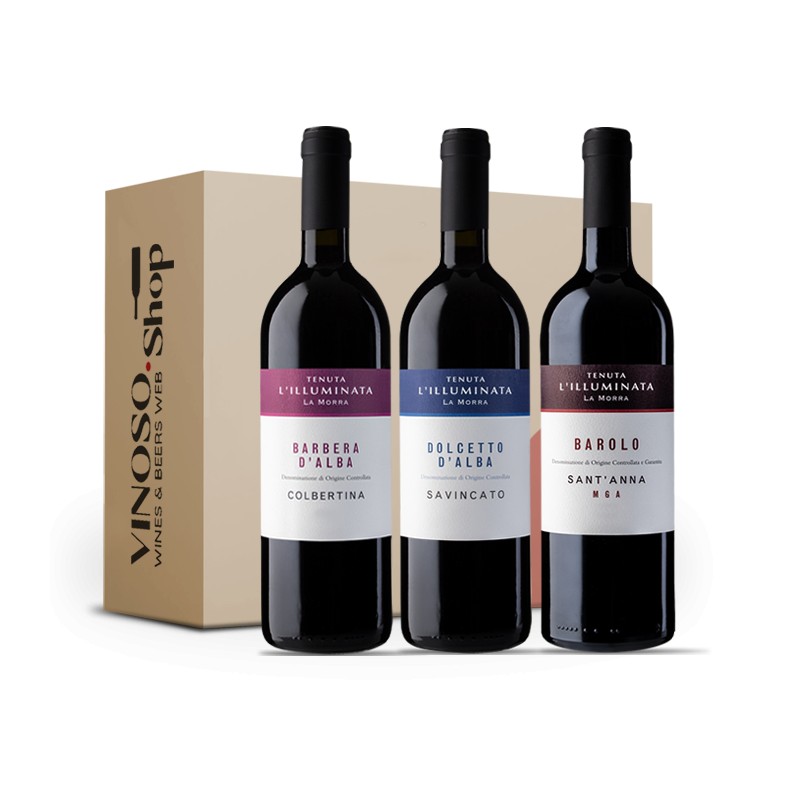
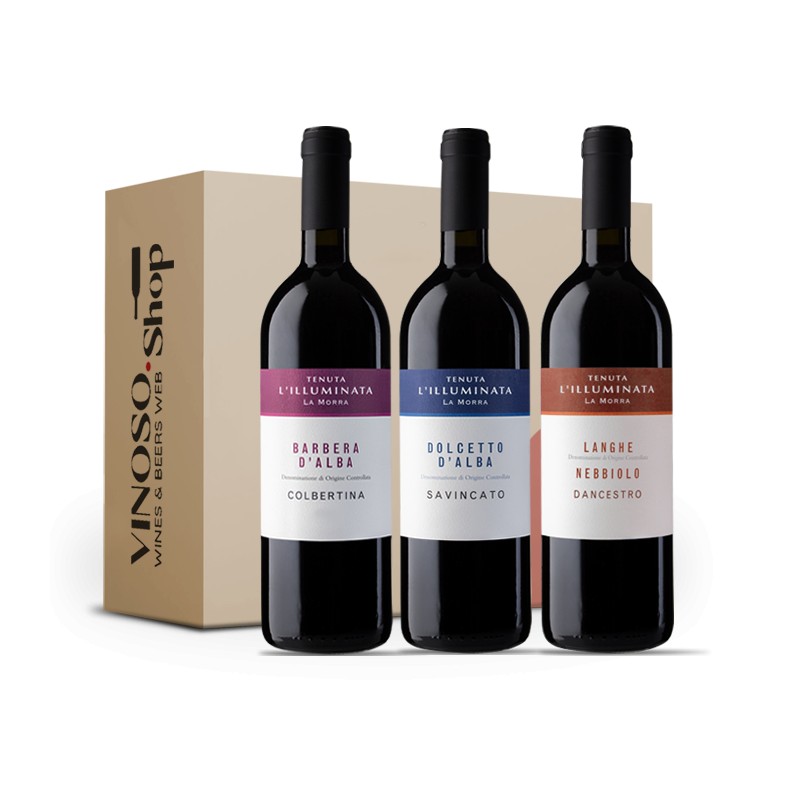
Your cart can also include Langhe Nebbiolo Dancestro (for fine structure) and Dolcetto Savincato (for everyday gastronomy), composing a coherent Piedmont selection with increasing intensity.
Food Pairings with Structured Red Wine
Red Meats, Slow Cooking, and Game
Braises, stews, and game demand intensity and staying power: structured Barbera answers with acidity that cleanses the palate and a gustatory texture that holds up to sauces.
Aged Cheeses and Spiced Dishes
With aged pecorino and cow’s milk cheeses, Barbera balances savoriness and freshness. With spiced dishes, its fruit component softens heat without losing definition.
Service Tips to Maximize the Experience
Serve at 16–18 °C in a large bowl-shaped glass. Brief aeration can refine aromas; decanting helps with richer versions or mature vintages.
How to Choose and Taste a Structured Red Online
Recognizing Structure in the Glass
Observe density by sight, look for aromatic layering, and assess volume and length on the palate. A structured Barbera combines juiciness, acidity, and persistence without hard edges.
Buying Guide on Vinoso.shop
Check the technical sheet, vintage, and reviews on the site. Add a second bottle of the same label to compare now and in a few months: many structured reds improve with brief bottle aging.
Temperature, Glassware, and Storage at Home
Keep bottles away from light and heat. Avoid serving too cold: it compresses aromas and volume. Prefer wide tulip-shaped glasses to highlight structured Barbera.
Conclusion – Why Choose Barbera as a Structured Red
Choosing Barbera as a structured red means bringing intensity, freshness, and versatility to the table. Labels available on Vinoso.shop—such as Barbera Colbertina 2021—are a reliable entry point to complete reds, able to accompany important dishes and age with elegance.