
Your cart
There are no more items in your cart
 Italiano
 English
- Felipe Arosio
- Mondo Vino
- 152 views
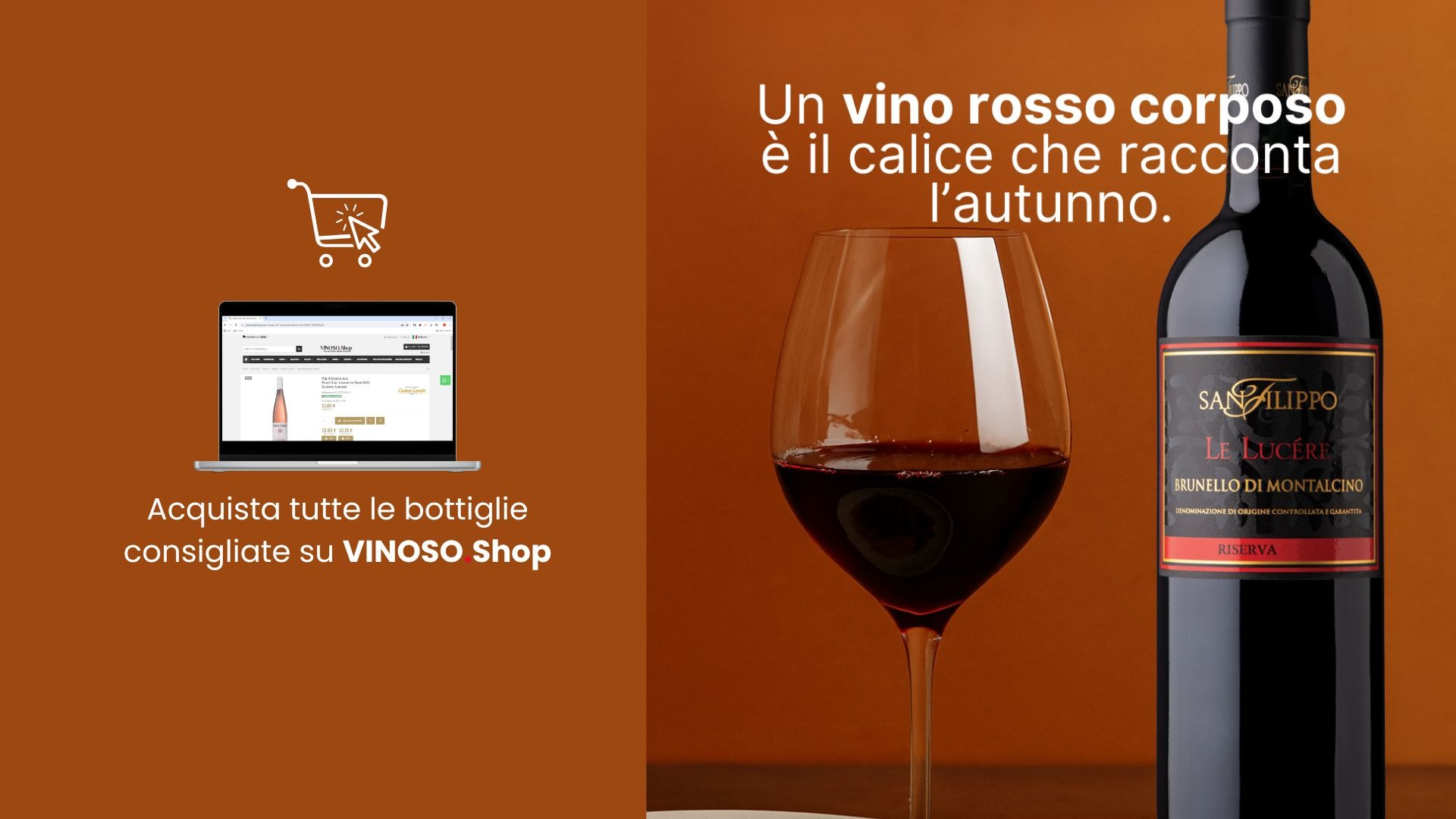
As cooler evenings arrive and hearty seasonal dishes hit the table, full-bodied red wine becomes the perfect choice. On the nose it offers a bouquet of dark fruit, enveloping spices, and subtle balsamic notes; on the palate it wins you over with volume, depth, and a warm, lingering finish that doesn’t weigh you down.
In this guide we’ll help you choose well, with concrete examples of wines you can buy on Vinoso.Shop and practical serving advice. We’ll dig into structure, how ageing shapes tannins, optimal temperatures, and the best pairings for autumn dishes.
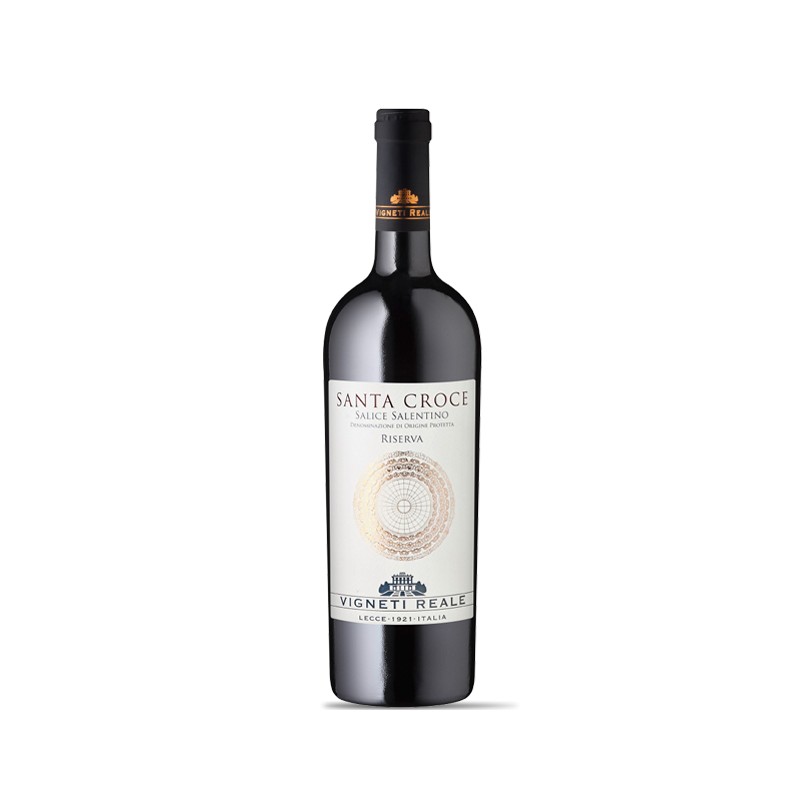
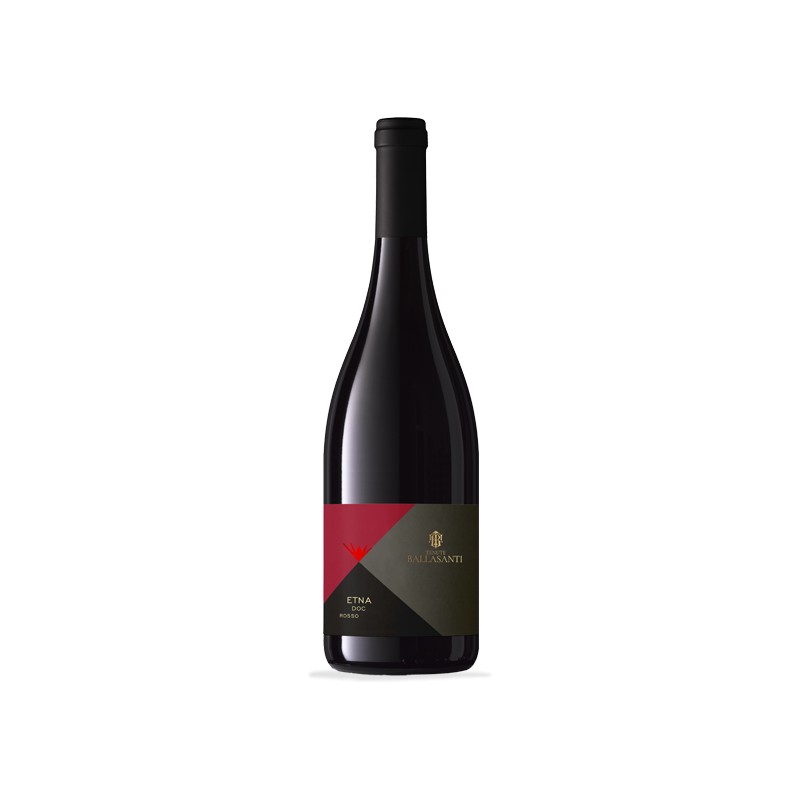
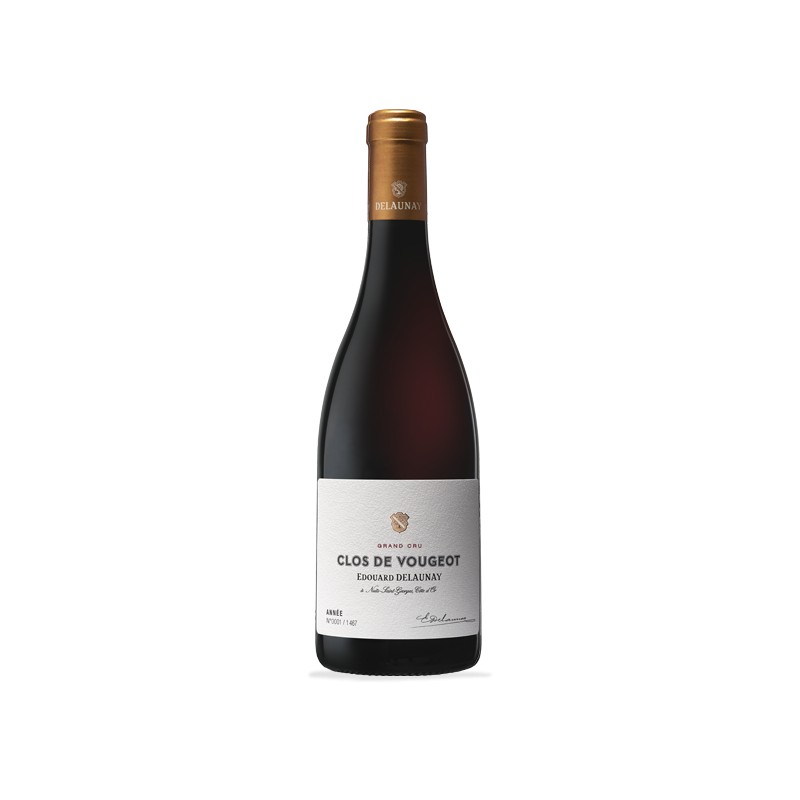
What makes a red wine “full-bodied”
Sensory characteristics that define “full body”
A full-bodied red wine is defined by elements that give fullness: rich extract, noticeable yet harmonized tannins, balanced alcohol that supports the sip, and a long aromatic persistence. In the glass it shows deep color and dense legs; on the nose, ripe fruit, spices, and tertiary notes developed during ageing.
Balance is essential: high alcohol or strong tannins alone aren’t enough. A full-bodied wine must show harmony among structure, freshness, and tannins to enhance savory dishes without overpowering them.
Practical difference between light and full-bodied wine
Light wines are nimble, with transparent color, delicate tannins, and a quick finish. Full-bodied reds, by contrast, deliver density, an enveloping tannic weave, and a mouth-filling palate. During tasting, observe the legs in the glass: slow, thick legs signal significant structure. Serve at 16–18 °C in large bowls to capture every nuance without overemphasizing alcohol.
Infographic — Full-bodied red wine
Infographic — Full-bodied red wine: how to recognize it and when to serve it
| Section | Content |
|---|---|
| Sensory parameters | Full structure • Harmonious tannin • Balanced alcohol • Long finish |
| Serving temperatures | Structured reds: 16–18 °C • Large bowls |
| Examples from Vinoso.Shop | Bolgheri D.O. Rosso Donna Olimpia 1898 Barolo MGA Sant’Anna (Tenuta L’Illuminata) Langhe Nebbiolo Dancestro |
| Autumn pairings | Braised meats • Roasted mushrooms • Aged cheeses |
Best autumn red wines: styles to know
Piedmont reds: depth and ageing potential
Piedmont sets the benchmark for full-bodied, well-defined reds. Nebbiolo and select Barolo bottlings offer fine tannins and striking length; Barbera and Dolcetto combine freshness with structure. On Vinoso.Shop you’ll find Langhe Nebbiolo “Dancestro” and Barolo MGA Sant’Anna from Tenuta L’Illuminata—great for important dinners. Dolcetto and Barbera pair beautifully with cured meats and mushroom pastas.
Tuscan reds: energy and balance from the coast
From the Tuscan coast come blends of international grapes with dark-fruit aromas, spice, and a supple texture. Bolgheri D.O. Rosso Donna Olimpia 1898 is a full-bodied red that stands up to roasts, braises, and aged cheeses thanks to ageing that smooths the tannins. For more casual settings, Tageto offers a flavorful, easy-flowing blend with plenty of personality.
Ideal pairings with full-bodied red wines
Autumn dishes: meats, mushrooms, and slow cooking
With braises, stews, and roasts, the wine’s volume supports sauces and rich reductions. With mushrooms and oven dishes, the spicy drive meshes with umami. Avoid overly sweet sauces that flatten freshness. Balance with vegetable sides and crunchy textures. If the recipe pushes aromatic intensity, choose a full-bodied red with a clean profile and polished tannin.
Aged cheeses and cured meats: how to get it right
Hard cheeses and dry cured meats call for reds with lively acidity and a full mid-palate. A well-aged Barolo suits important maturations; Barbera and Dolcetto are ideal for mixed boards. With spices or light smokiness, pick wines with precise fruit and a clean finish so you don’t mask aromas.
Practical tips for tasting a full-bodied red
Temperature, glassware, and oxygenation
Serve at 16–18 °C in large bowls: oxygen helps relax tannins and reveal aromatic layers. For dense wines, consider a short decant. Avoid warming above 20 °C: alcohol will dominate. If it’s too cold, let it warm in the glass and swirl gently.
Home storage and opening times
Store in the dark, horizontally, at a stable temperature. After opening, reseal with an inert stopper and keep away from heat sources. Bottle ageing benefits structured reds: plan your opening according to vintage and producer. If there’s leftover wine, refrigerate airtight and drink within a few days.
Conclusion: the best red wine for autumn at the table
Choosing a full-bodied red means opting for glasses that match seasonal cooking and suit slower evenings. With curated bottles available on Vinoso.Shop—from Piedmont to the Tuscan coast—you can build coherent paths from a structured aperitif to a special-occasion dinner. Mind the service, give the wine air, and let the dishes shine: the glass will do the rest.