
Your cart
There are no more items in your cart
 Italiano
 English
- Felipe Arosio
- Mondo Vino
- 80 views

A copper pot at the center of the table, polenta slowly steaming, and the aroma of sauce drifting in from the kitchen: this is how autumn in Lombardy begins. To complete the scene, you need the right wine—one that supports rather than overwhelms hearty dishes like polenta with sausage, polenta with stew, or polenta with cheese and mushrooms. In this practical guide, you’ll learn how to choose the best wine for polenta for your recipes, with concrete examples taken from the selection on Vinoso.Shop. From a lighter Nebbiolo to characterful reds for braises, and even structured whites, each suggestion is tied to a traditional Lombard autumn dish to turn a simple lunch into a true food-and-wine pairing experience.

Why You Should Choose Wine for Polenta Carefully
When you think of polenta, you often imagine a hearty, comforting dish. Beneath the sauce or cheese, however, lies a neutral corn base that needs a wine to set the pace of each bite without weighing it down. The choice of wine for polenta depends on three factors: the texture of the topping, the overall saltiness of the dish, and the sensation of fat on the palate.
Soft polenta with sausage calls for a juicy red with good acidity; a slow-cooked stew needs more structure and depth; polenta with porcini mushrooms finds balance in fragrant wines that aren’t overly tannic. In the Lombardy section of Vinoso.Shop you’ll find many suitable labels to match thoughtfully with your home recipes.
Wine for Polenta and Sausage: Finding the Right Balance
For polenta and sausage, the key is managing the dish’s fatty component. Sausage brings intense flavor, salt, and richness: you need a red with noticeable acidity, present but gentle tannins, and plenty of juicy fruit. A concrete example is Langhe Nebbiolo “Dancestro” from Tenuta L’Illuminata, available on Vinoso.Shop, which combines freshness with cherry notes and light spice—ideal for cleansing the palate, bite after bite.
Alternatively, a Sangiovese such as Vigna del Pruno by Drei Donà works beautifully with the protein element thanks to its taut texture and dry finish. It’s important to avoid wines that are too alcoholic or sweet, which would make the dish feel heavier.
Wine for Polenta and Stew: Depth and Warmth in the Glass
When polenta accompanies a slow-cooked stew, the wine must stand up to the sauce’s concentration. Long hours on the stove turn the broth into a collagen-rich, roasted-scented gravy: you need more structured reds, while still keeping overall harmony.
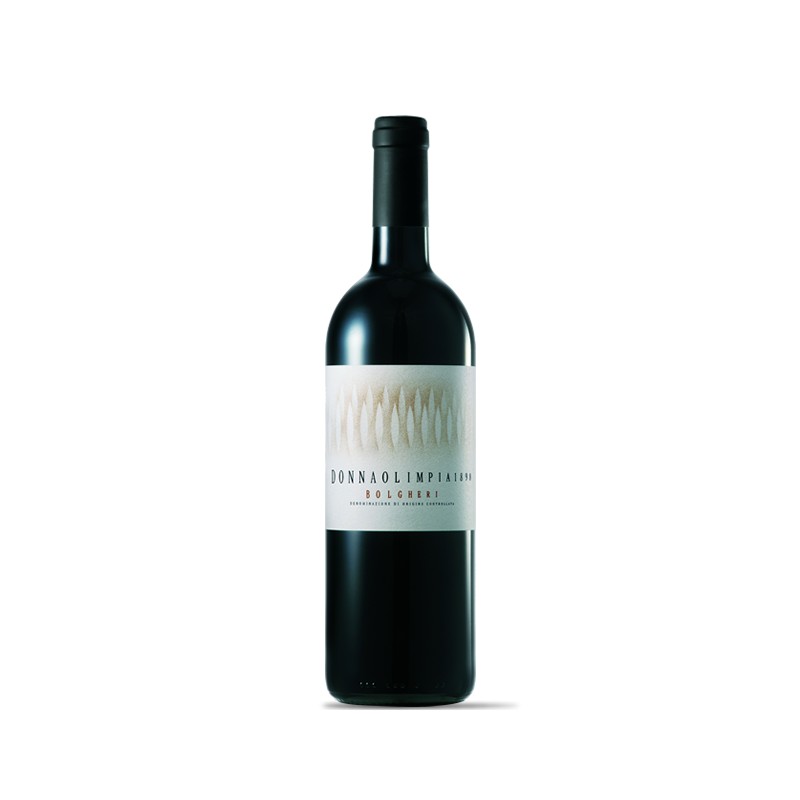
A Bolgheri Rosso, like the one from Donna Olimpia 1898 in the shop, offers a combination of ripe fruit, spice, and dense yet well-integrated tannins—perfect with tender pieces of meat and steaming polenta. A Nebbiolo with a few years of aging can also pair beautifully with stew, especially if the dish includes herbs and vegetables. The key is balancing intensity with drinkability so the second glass remains inviting.
Wine for Polenta with Cheese and Mushrooms: Forest Aromas in Harmony
With polenta, cheese, and mushrooms, the options broaden, because you’re balancing the saltiness of dairy with the earthy aroma of porcini. An overly concentrated red would mask these nuances, while a wine that’s too light could fade away. That’s why many enthusiasts choose medium-bodied reds, such as nimble Nebbiolo or delicate Pinot Noir—able to echo underbrush notes on the nose and a touch of spice on the palate.
If the polenta is enriched with melting, stretchy cheeses, consider a structured white fermented or aged in oak—like some characterful Chardonnays found in the general selection of Italian wines on Vinoso.Shop. In every case, the goal is to keep aromas readable and precise in the glass.
How to Serve Wine for Polenta at Autumn Lunches
Beyond choosing the label, service and temperature matter a great deal for wine with polenta. Reds destined for dishes with sausage or stew show best between 16–18 °C, avoiding hot alcoholic notes and keeping freshness alive. Open the bottle at least half an hour before the meal and pour a small taste to allow the first contact with oxygen; for particularly concentrated wines, a brief decant can help.
For pairings with polenta, cheese, and mushrooms, serving slightly cooler helps support saltiness and gives each bite more pace. At the table, prefer medium-sized stemware that lets aromas open without dispersing, and fill glasses only one-third full so you can swirl easily.
Conclusion: Choosing Wine for Polenta with Confidence
Behind a simple dish of polenta lies a world of possible pairings. From meat sauces to combinations with cheese and mushrooms, each recipe calls for a wine that can converse with different textures, aromas, and intensities. Fresh yet structured reds like Nebbiolo “Dancestro” or Sangiovese “Vigna del Pruno” are reliable companions for many preparations, while more full-bodied labels such as Bolgheri Rosso Donna Olimpia 1898 shine alongside richer stews.
By exploring the red wines and Lombardy wines categories on Vinoso.Shop, you can build your own autumn wine list—ready to enhance polenta and seasonal dishes, year after year.