
Your cart
There are no more items in your cart
 Italiano
 English
- Felipe Arosio
- News
- 80 views
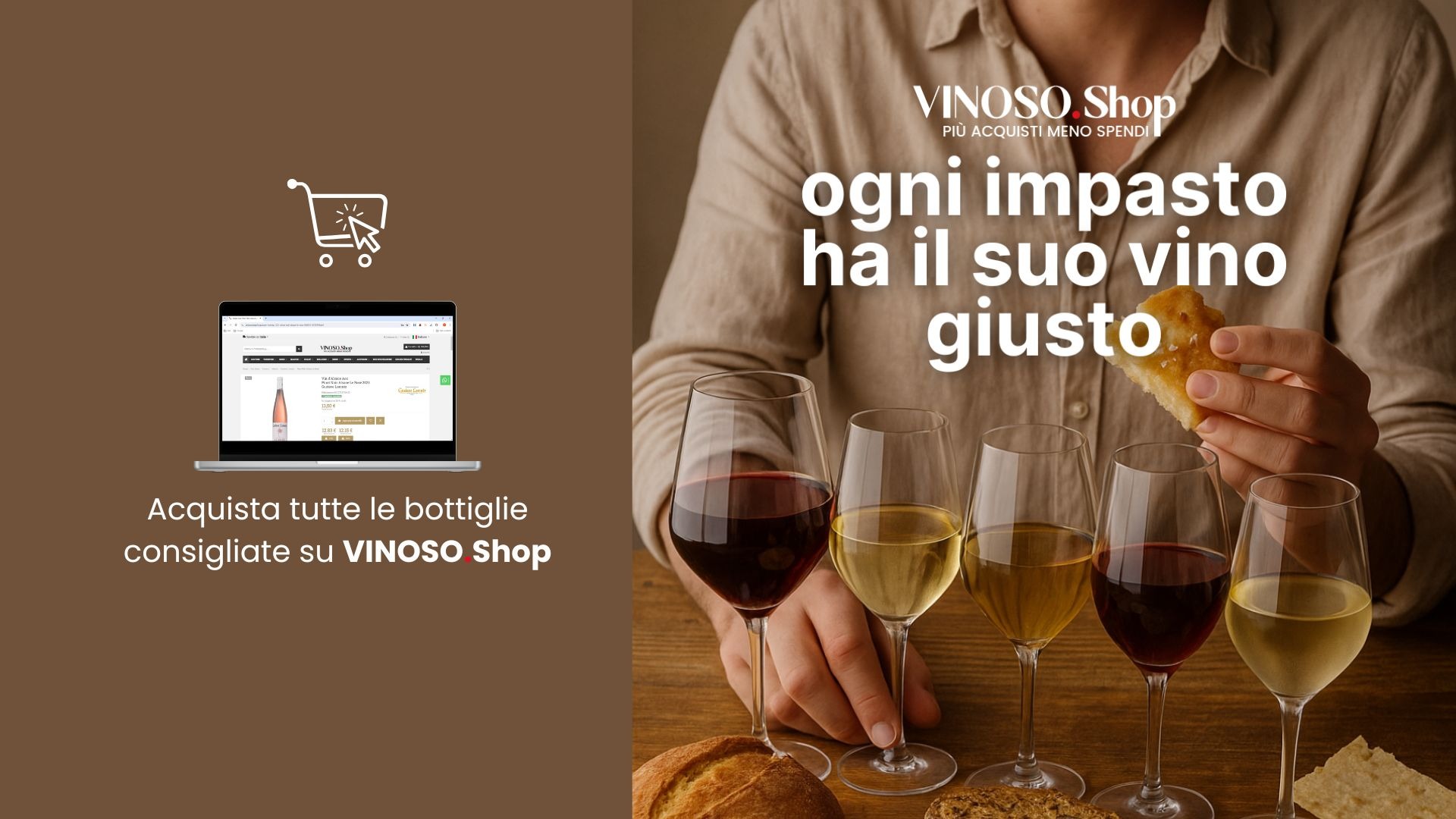
Nibbling a slice of warm bread while lifting the glass is no random gesture: the bite prepares the palate, the sip refines the aromas. In the “wine and bread” pairing, the golden rule is balance between savouriness, crunchiness and structure: olive-oil breads, wholegrain flours, sourdough and toasting can change the perception of the sip as much as the grape variety or the ageing in the cellar. This guide, organised by geographical area, explores regional pairings with practical ideas to try at home, linking examples to bottles available on Vinoso.Shop. You’ll find simple criteria to avoid predictable combinations and to understand how the choice of bread — unsalted, carasau, rye or breadsticks — can enhance saline whites, juicy reds and classic-method sparkling wines.
Wine and Bread: The Basics of Regional Pairings
Structure, Saltiness and Aromatic Profile: How Bread and Wine “Connect”
First, assess the density of the bite: long-fermentation bread with a crisp crust calls for wines with lively acidity or fine tannins; soft, delicate bread prefers agile whites. The saltiness of the bread (salt and natural minerals) moderates bitterness and tannin, while aromas — seeds, spices, cereals — interact with the fruit and toasted notes from oak ageing. In crostoni, extra-virgin olive oil adds richness: here, classic-method sparkling wines or whites with a saline finish refresh the palate. With wholegrain or rye breads, the earthy component calls for reds with lively texture: a young Nebbiolo or a Tuscan coastal red bring energy without overpowering the grain.
Oil, Salt and Fermentation: Why Bread Changes Wine Perception
As the amount of oil in the dough or on top increases, so does the sense of softness: the wine must respond with acidity and freshness. Salt enhances the sweetness of the fruit and smooths out sharpness; conversely, low-salt breads (like Tuscan bread) highlight the character of the wine, which must be chosen carefully. Natural fermentation develops hazelnut and crust aromas that pair beautifully with whites aged on the lees or delicate reds matured with controlled ageing. Toasting and warmth intensify caramel and crunchy notes: in these cases, a dry sparkling or a marine white adds rhythm to the bite.
North-West: Wine and Bread in Regional Pairings
Piedmont: Breadsticks and Michette with Nebbiolo and Langhe Reds
With crunchy breadsticks (grissini rubatà), the friability calls for an elegant, precise red: Langhe Nebbiolo “Dancestro” reveals small red fruits, fine spice and freshness that cleanse the palate. With michette and mild cold cuts, the fine tannins accompany without drying. When the bread accompanies aged cheeses, a well-matured Barolo adds depth and balsamic forest-floor nuances, ideal with toasted crusts. For an aperitif, try a classic-method sparkling: its yeasty profile recalls bread crust and creates sensory continuity.
Vinoso.Shop Products:
Langhe Nebbiolo “Dancestro” 2023 – Tenuta L’Illuminata
Barolo MGA Sant’Anna 2016 – Tenuta L’Illuminata
Liguria: Olive-Oil Focaccia and Saline Whites (Vermentino & Rosé)
Well-balanced olive-oil focaccia finds perfect harmony with savoury whites like Obizzo Vermentino (Donna Olimpia). Citrus and white flower aromas, with a harmonious, saline palate balancing the dough’s richness. Alternatively, Bolgheri D.O. Rosato (Donna Olimpia), with vibrant freshness, pairs beautifully with olives, anchovies and confit tomatoes.
Vinoso.Shop Products:
Donna Olimpia 1898 — Obizzo Vermentino 2024
Donna Olimpia 1898 — Bolgheri D.O. Rosato 2024
North-East: Regional Pairings Between Crunchy Breads and Taut Wines
Trentino-Alto Adige: Schüttelbrot, Rye Bread and Crisp Whites
With Schüttelbrot and rye breads (with caraway, herbs, toasted crust), choose dry whites that support crunchiness and aromatic intensity. Winzerberg Sauvignon Alto Adige DOC (tomato leaf, sage, acacia) has lively acidity and a savoury finish, perfect with mountain specialities. For an elegant touch and “bread crust” aroma, San Michael Dosaggio Zero Metodo Classico cleanses and invigorates the palate.
Vinoso.Shop Products:
Winzerberg — Sauvignon Alto Adige DOC 2023
San Michael — Dosaggio Zero Metodo Classico
Veneto and Friuli: Corn Bread, Savoury Cjarsons and Versatile Wines
With corn breads and rustic dishes, Boscaini Carlo “La Preosa” Valpolicella Classico Superiore DOC (spices, ripe fruit, structure and backbone) supports crostoni and bold flavours. For the starter, the sparkling Monte Rossa “Salvadek” Extra Brut (Magnum) — with fine perlage and dry profile — enhances focaccia and fragrant preparations.
Vinoso.Shop Products:
Boscaini Carlo — La Preosa Valpolicella Classico Superiore DOC 2023
Monte Rossa — Salvadek Extra Brut Magnum
Centre: Wine and Bread in Everyday Cuisine
Tuscany: Unsalted Bread, Crostoni and Structured Reds from Montalcino
Tuscan bread (unsalted) amplifies the character of the wine. With liver crostoni or sausage and stracchino, the Chianti Classico Riserva DOCG (Cafaggio) offers balance, power and fruity-spicy notes. For more important dishes, Brunello di Montalcino “Le Lucere” (San Filippo) shows cherry in spirit, sweet spices and silky tannins.
Vinoso.Shop Products:
San Filippo — Brunello di Montalcino Le Lucere 2016
Cafaggio — Chianti Classico Riserva DOCG
Marche and Umbria: Country Bread and Structured Whites / Gastronomic Rosés
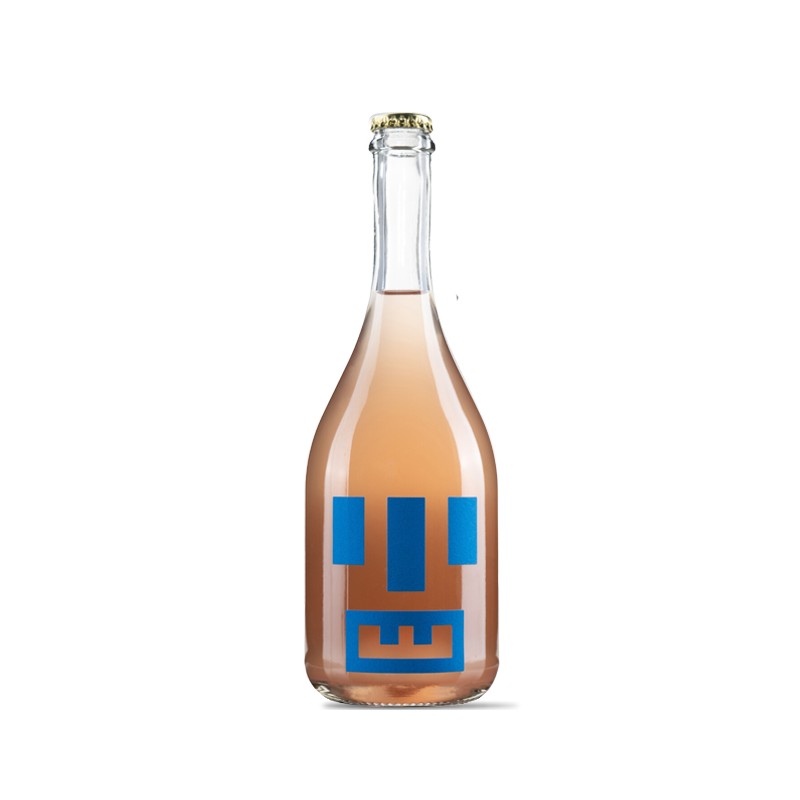
Country bread with new olive oil and lively crunchiness calls for structured whites and versatile rosés: Misco (Tenuta di Tavignano), elegant and fresh, enhances toasted bread and EVO oil; La Birba Rosato (Monsters Wine Tavignano) is smooth and fragrant, ideal with cured meats and grilled vegetables.
Vinoso.Shop Products:
Tenuta di Tavignano — Misco Bianco 2023
Monsters Wine Tavignano — La Birba Rosato 2023
South and Islands: Regional Pairings from the Oven to the Sea
Puglia and Basilicata: Altamura Bread and Mediterranean Reds/Rosés
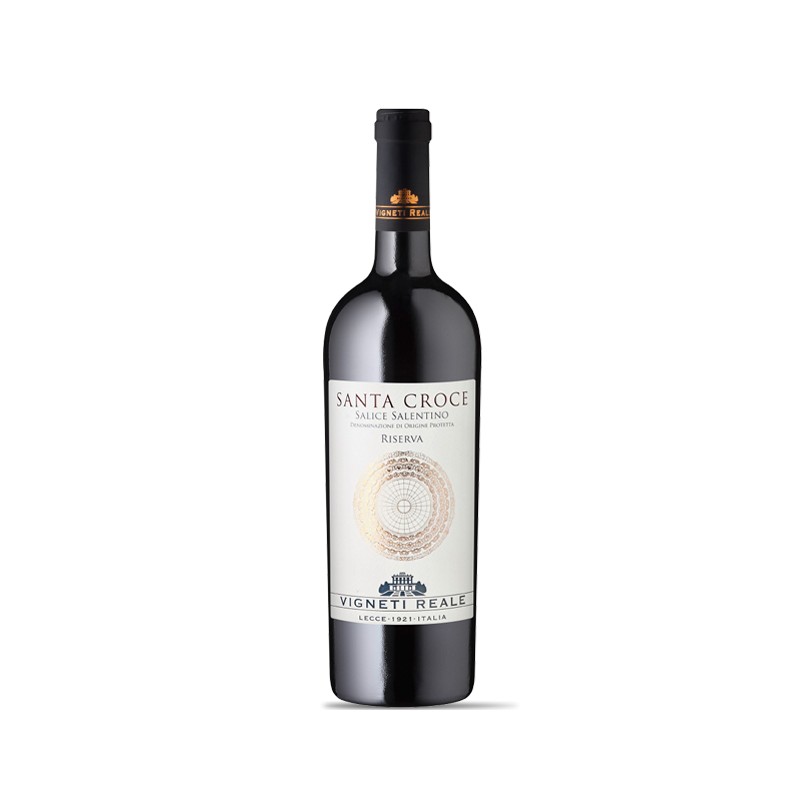
Altamura bread (thick crust, soft crumb, cereal notes) matches beautifully with elegant Mediterranean reds and savoury rosés. Malvasia Bianca (Vigneti Reale) refreshes focaccia and grilled vegetables; Santa Croce Rosso supports rich regional dishes.
Vinoso.Shop Products:
Vigneti Reale — Malvasia Bianca 2023
Vigneti Reale — Santa Croce Rosso 2023
Sardinia and Sicily: Carasau, Carta di Musica and Savoury Whites
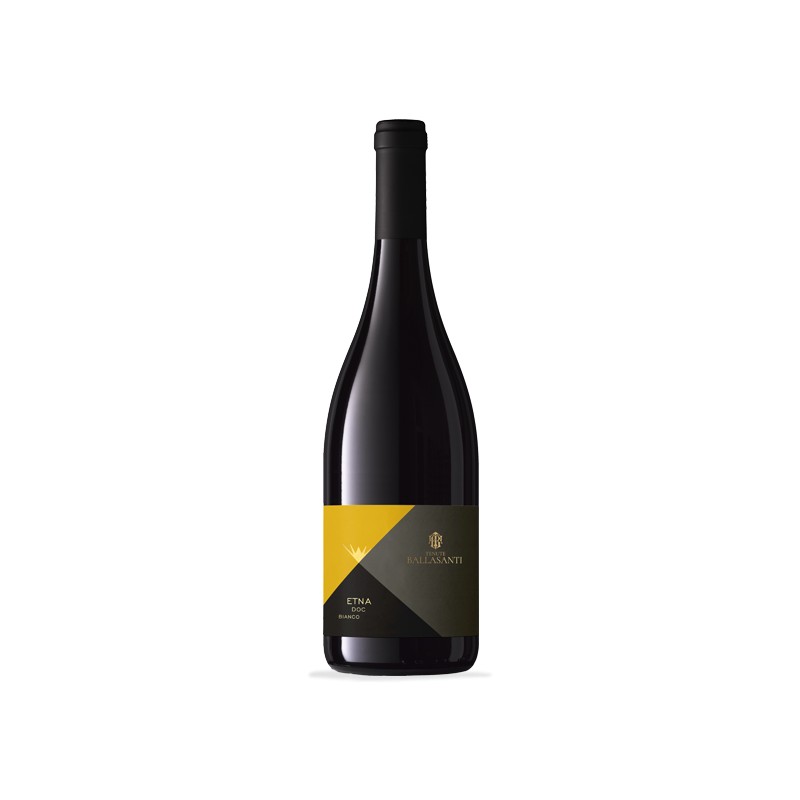
Carasau, crisp and paper-thin, shines with clean and saline wines. Etna Bianco (Ballasanti) — mineral and floral — is ideal with olives, anchovies and capers. For a red option, Cannonau (Antonella Corda) soft and elegantly tannic, pairs well with cheese and traditional meats.
Vinoso.Shop Products:
Antonella Corda — Cannonau 2023
Ballasanti — Etna Bianco 2023
Practical Tips: How to Serve Wine and Bread Together
Smart Platters: Oils, Preserves, Cheeses and Serving Times
Follow a progression: start with classic-method sparkling to cleanse the palate, continue with saline whites on olive-oil bread and finish with juicy reds on toasted bread. Increasing intensity and consistent temperatures: 8–10 °C for whites/sparkling wines, 16–18 °C for reds. Preserved seafood and vegetables in oil enhance acidity; medium-aged cheeses require structure and balanced tannins. Bread toasted just before serving releases “crust” aromas — a perfect match for sparkling wines aged on the lees.
Recommended Labels on Vinoso.Shop:
Roberto Garbarino — Alta Langa DOCG “Il Viaggio” Blanc de Blancs Extra Brut 2020
Temperature, Bread Cutting and Toasting: What Enhances the Pairing
Cut with a sharp blade to preserve the crumb structure; regular portions improve the bite experience. Toast at 180 °C for a few minutes (golden, not dry). Glassware: wide bowl for complex reds, medium balloon for structured whites, flute or tulip for classic-method sparkling. If a red feels sharp-edged, let it breathe for two minutes: oxygen and room temperature integrate the matured profile.
Vinoso.Shop Selection: Bottles for Regional Pairings
Savoury, Mineral Whites for Olive-Oil Breads and Focaccia
- Donna Olimpia 1898 — Bolgheri D.O. White 2023
- Donna Olimpia 1898 — Obizzo Vermentino 2024
Medium-Bodied Reds for Wholegrain Breads and Meat Dishes
- Donna Olimpia 1898 — Bolgheri D.O. Rosso 2023
- Tenuta L’Illuminata — Langhe Nebbiolo “Dancestro” 2023
Rosés and Sparkling Wines for Starters and Crostoni
- Donna Olimpia 1898 — Bolgheri D.O. Rosé 2024
- Monte Rossa — Franciacorta “Coupé” Brut Nature NV
Buy now on Vinoso.Shop — quick selection: Bolgheri D.O. White, Bolgheri D.O. Rosso, Obizzo Vermentino, Alta Langa “Il Viaggio”, Franciacorta “Coupé”, Langhe Nebbiolo “Dancestro”, Barolo MGA Sant’Anna.
Conclusion: “Wine and Bread” as the Thread of the Table
Putting wine and bread at the centre means building a coherent tasting journey, from the crunchy crust to the lingering sip. Choosing bread with character — olive oil, mixed grains, controlled toasting — allows for more expressive wines: marine whites, saline rosés, juicy reds or classic-method sparkling wines. The examples linked to Vinoso.Shop help you move from idea to practice with reliable labels; then it’s up to you to refine the service and sequence for your table. Three final rules: precise temperature, ice only when necessary, and light toasting to release aromas without drying.