
Your cart
There are no more items in your cart
 Italiano
 English
- Felipe Arosio
- Mondo Vino
- 83 views
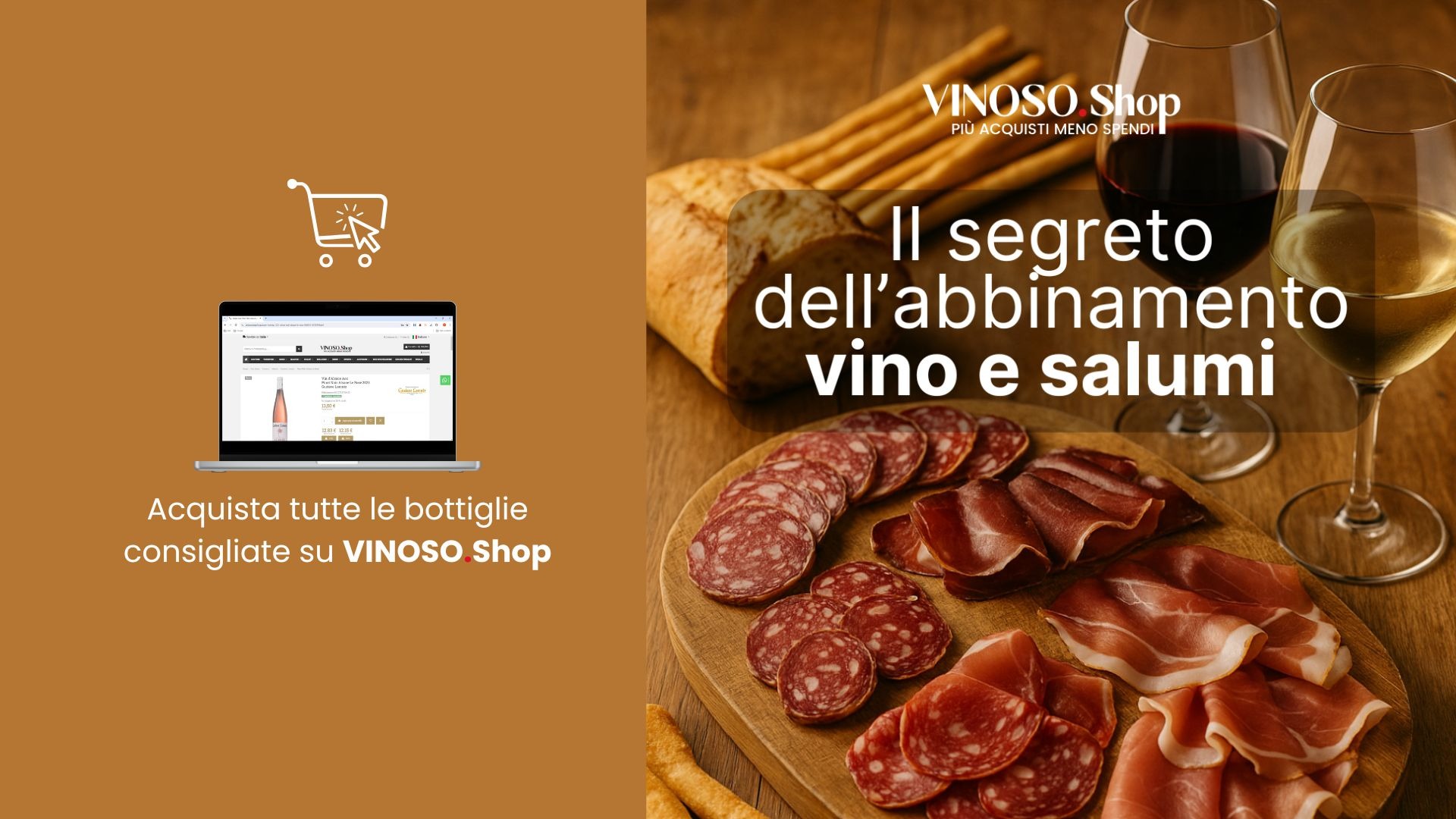
A generous board of Italian cured meats is always an irresistible invitation to conviviality. The softness of the fat, the intense saltiness, and the signature aromas of aged meats call for a wine that can cleanse the palate and restart the tasting with every bite. In this article you’ll find authentic, easy-to-find labels and reliable sensory tips for a perfect marriage between glass and charcuterie.
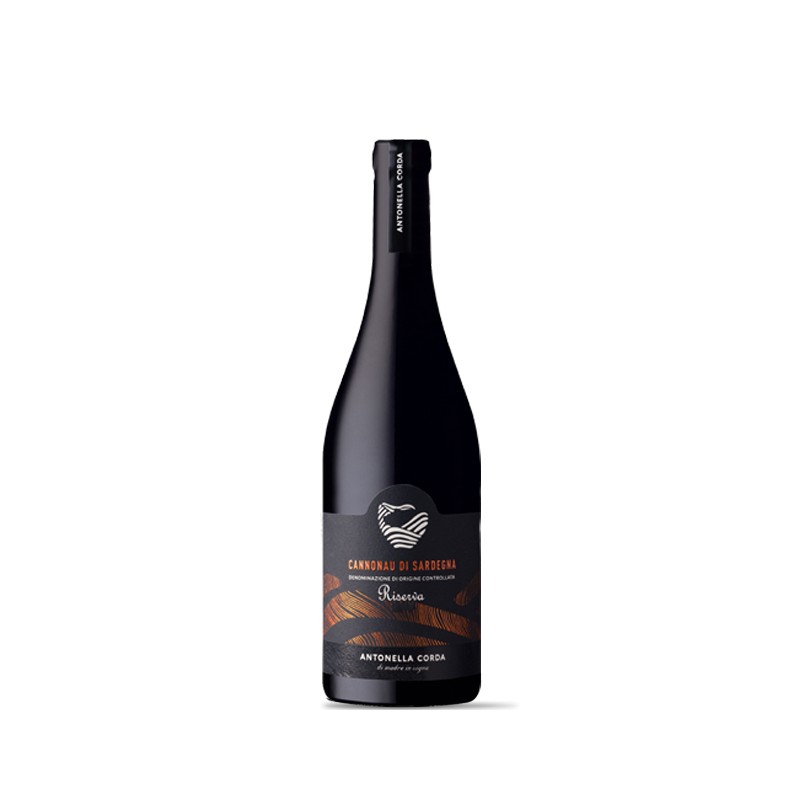
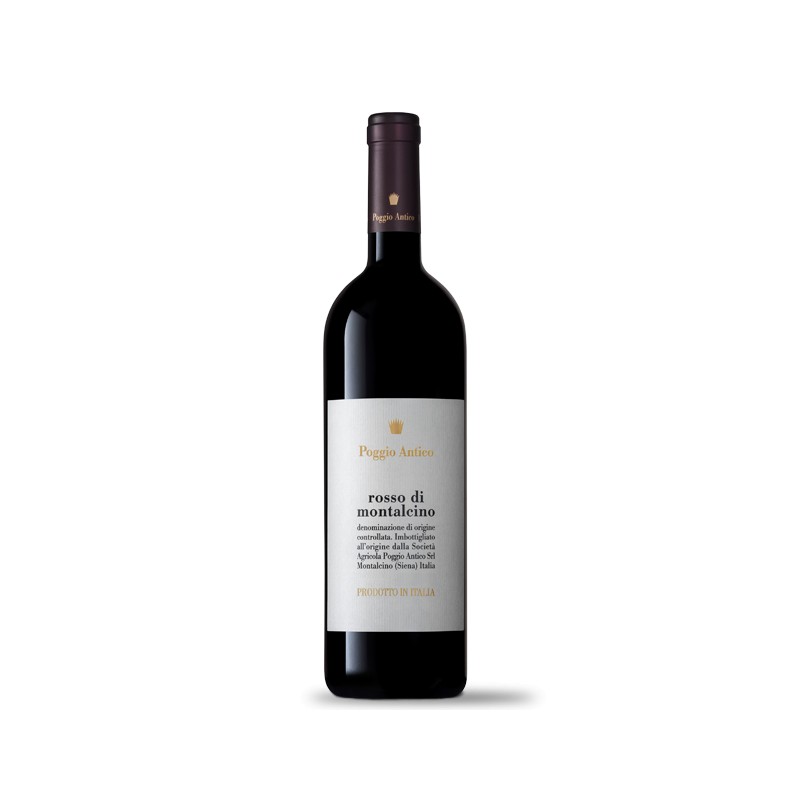
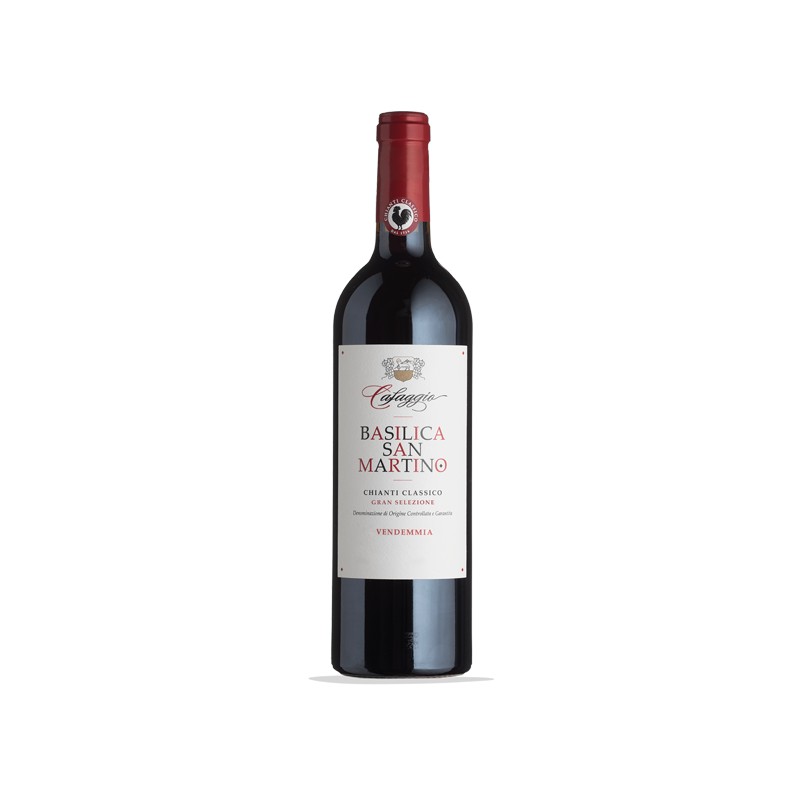
Wine and cured meats: pairing basics
Why wine and cured meats work (fat, salt, acidity)
The harmony of wine and cured meats comes from balancing the fat in the meats—which calls for fresh wines with decisive acidity to cleanse the palate. The saltiness of the charcuterie boosts flavor persistence, but watch out: overly aggressive tannins can stiffen the pairing, especially if the meat is delicate.
Practical rules: choosing the right glass in a few steps
With delicate cured meats like sweet prosciutto and culatello, go for fragrant whites or dry rosés that keep things fresh without overpowering. For more aged and flavorful meats—think salami, pancetta, or coppa—young, juicy reds with good acidity are ideal. If the meats are spiced or lightly smoked, look for wines with clean fruit and measured tannins; to kick off the meal, classic-method bubbles are perfect to cut through the fat and keep the palate clear.
Wine & cured meats – Infographic “regional pairings at a glance”
Infographic — Wine & cured meats: regional pairings at a glance
Concept map of Italy (North / Center / South and Islands) with practical examples and a sensory legend. Warm palette with orange accents, short and readable text.
| Area (map) | Typical cured meats (2) | Recommended wine styles (2) | Examples from Vinoso.Shop (callout) | Sensory legend |
|---|---|---|---|---|
| Northern Italy | Piedmont salami Speck | Dolcetto / Barbera (fresh, juicy) Young Langhe Nebbiolo (fine tannin) |
Dolcetto “Savincato”
Barbera “Colbertina” Langhe Nebbiolo “Dancestro” |
Freshness Tannin Salinity Aromaticity
|
| Central Italy | Finocchiona Tuscan prosciutto | Bolgheri Rosso (Bordeaux-style blend) Vermentino / Bolgheri Bianco |
Bolgheri D.O. Rosso — Donna Olimpia 1898
Bolgheri D.O. Bianco — Donna Olimpia 1898 |
Freshness Tannin Salinity Aromaticity
|
| South & Islands | Soppressata ’Nduja | Dry rosés / fresh whites Young, fruity reds |
Langhe Nebbiolo “Dancestro” (versatile)
Bolgheri D.O. Rosso — Donna Olimpia 1898 |
Freshness Tannin Salinity Aromaticity
|
Notes
- The “icons” indicate the most useful sensory traits for each area/pairing.
- The examples cited are orientative callouts and can be replaced with available vintages.
Regional wine & cured meat pairings in Italy
Northern Italy: Piedmont salami, speck, bresaola
In the North the choices are well defined. Piedmont salami calls for agile, fragrant wines that can smooth the salt and push the bite along: Dolcetto d’Alba and Barbera d’Alba are ideal companions. Speck, with its delicate smokiness, pairs well with wines offering good acidity and fruit, such as a young Langhe Nebbiolo with fine tannin. Bresaola, lean and dry by nature, needs a light red that keeps lift without masking the meat; Nebbiolo served at 16 °C in a medium glass is perfect.
Central Italy: finocchiona and Tuscan prosciutto
Moving to the center, finocchiona needs reds with dark fruit and good drive to stand up to fennel and pepper notes. Bolgheri blends, with their energy and precision, are a perfect match. Tuscan prosciutto, sweeter and more delicate, pairs nicely with savory, agile whites that keep the mouth fresh and ready for the next bite.
South & Islands: soppressata, ’nduja, and aromatic cured meats
In the South and on the islands, cured meats are often saltier and spicier. With ’nduja and spicy meats, avoid reds with marked tannins and opt for fresh whites or dry rosés, which lighten and highlight the aromas without creating clashes. Soppressata and very intense meats find balance with young reds rich in fruit and moderate acidity, taming the heat and keeping tasting pace high.
Wines to discover on Vinoso.Shop
Italian reds for aged cured meats
When the board is dry and flavorful—like salami, coppa, or pancetta—choose reds with generous fruit and vibrant acidity. Dolcetto, Barbera, and Bolgheri blends guarantee a clean palate and a pleasant, lively finish.
Whites and rosés for light appetizers
For sweet prosciutto and delicate meats, savory whites or dry rosés respect textures and aromas without overpowering them. A quality Bolgheri Bianco or Vermentino is perfect for freshness and softness.
Practical tips for serving wine and cured meats
Temperatures, glassware, and slicing
To enjoy young reds at their best, serve at 16–18 °C in wide glasses; whites and rosés should be chilled to 10–12 °C in medium glasses. Slice the cured meats thinly and let them come to room temperature for 10–15 minutes before serving to enhance their aromas and texture.
How to assemble a balanced board
Alternate different textures—soft and dry—and vary aromatic intensity from mild to savory. Serve with fresh bread, grissini, pickled vegetables, and a fresh element like fennel salad or apple slices. Arrange tastings from the most delicate to the most intense clockwise for a guided, satisfying experience.
Conclusion: a journey through taste and place
The pairing of wine and cured meats delivers perfect balance when fat, salt, and spices meet the wine’s freshness, fruit, and bubbles. By choosing labels you can buy directly on Vinoso.Shop and minding every service detail, the board becomes a sensory path that’s easy to replicate and always rewarding. Now you can build your ideal regional pairing, confident you’re pouring wines designed to enhance every slice.