Introduction to Wine Pairings for Wild Boar
Uncorking the right bottle can turn a wild boar dish into a memorable experience: the secret is choosing a wine with character, able to stand up to the meat’s intensity and spice.
For Vinoso.shop readers, the goal is simple: navigate classic Italian reds—such as Brunello di Montalcino, Chianti Classico, and Barolo—to find the best wine to pair with wild boar, whether you’re serving ragù, a braise/stew, or a roast.
Foundations of Pairing Wine with Wild Boar
Before picking a label, consider three factors: tannin, structure, and alcohol. With an aromatic, rich meat like wild boar, the wine and dish must balance each other: tannins dry and cleanse the palate, structure supports rich sauces, and alcohol accompanies savoriness.
Following the pairing method used by AIS (Italian Sommelier Association), more intense dishes call for full-bodied reds with firmly present tannins; fur game—like wild boar—therefore finds ideal partners in important reds (Nebbiolo, Sangiovese, Aglianico).
Cooking method and seasoning also matter: a medium-intense ragù can match an energetic Chianti Classico; a braise/stew calls for Brunello, while roasts and more concentrated preparations reward Barolo or Aglianico. Our infographic summarizes these choices at a glance.
Infographic: Dish Intensity vs Wine Structure (Wild Boar)
Summary table of main wild boar preparations and the recommended wine structure level. 1–5 scale for dish intensity and wine structure.
| Dish | Recommended wine | Dish intensity (1–5) | Intensity indicator | Wine structure (1–5) | Structure indicator | Notes |
|---|
| Wild boar ragù |
Chianti Classico |
2.0 |
|
2.0 |
|
Freshness and fine tannins for medium-intense sauces |
| Braised wild boar (stew) |
Brunello di Montalcino |
3.0 |
|
3.0 |
|
Dense tannins and depth for long cooking |
| Roast wild boar |
Barolo |
4.0 |
|
4.0 |
|
Spice, length, and grip for roasts |
| Wild boar salmì |
Aglianico (e.g., Taurasi) |
4.5 |
|
4.2 |
|
Energetic tannins and great body for concentrated preparations |
| Indicative 1–5 values to guide wine choice according to dish intensity. Adjust based on recipe, spices, and the wine’s maturity. |
The Great Classics: Brunello di Montalcino, Chianti Classico, and Barolo
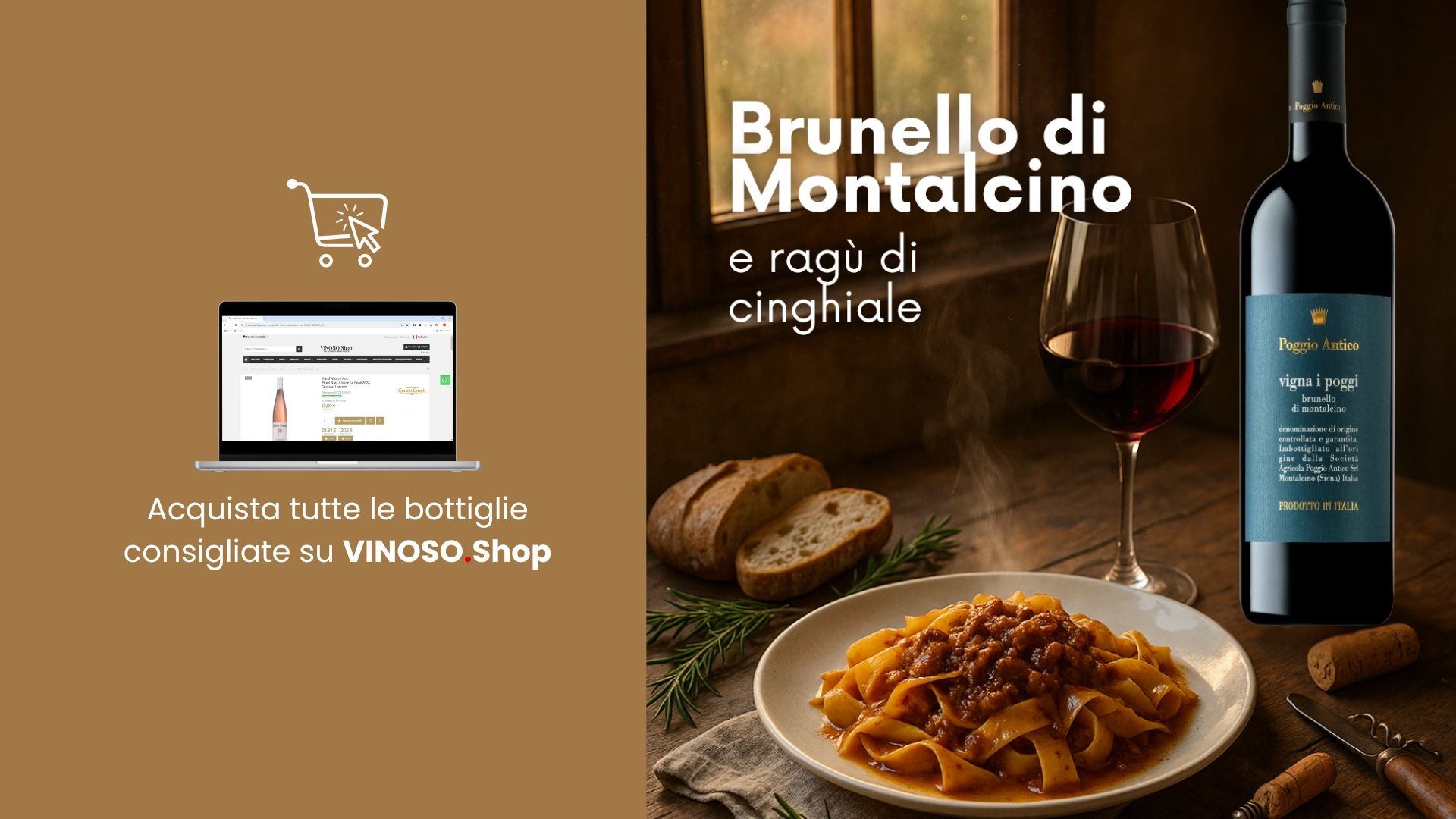
Brunello di Montalcino with Braised Wild Boar
Robust yet refined, Brunello di Montalcino offers dense tannins and deep palate length: with wild boar stew it forms an outstanding pairing, thanks to its ability to support spice and long cooking.
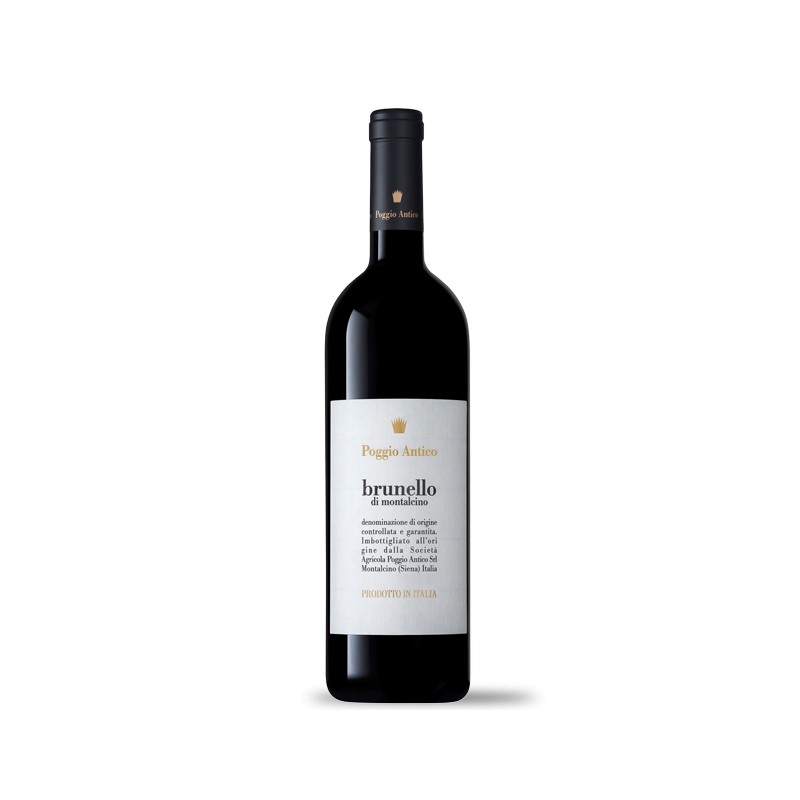
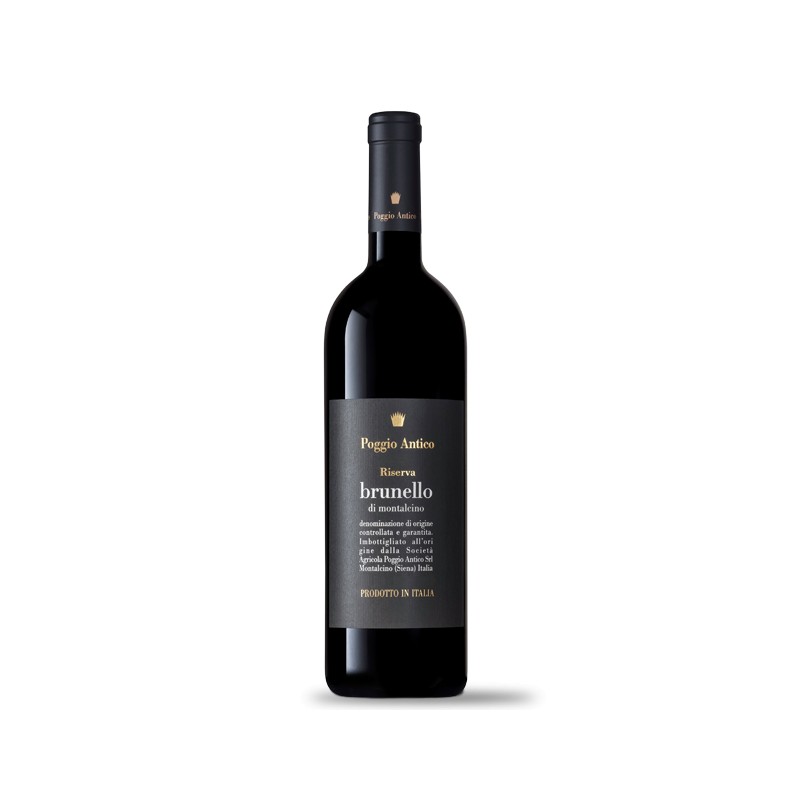
For those ready to buy, Vinoso.shop offers bottles such as Poggio Antico (Brunello and Riserva): clear product pages and selected vintages make choosing easier. In Tuscan kitchens, Brunello also pairs beautifully with pappardelle with wild boar ragù and hearty braises.
Service tip: serve around 18 °C; a quick decant is helpful in the first years to encourage aeration. Readier vintages already show harmony after adequate aging.
Chianti Classico and Pappardelle with Wild Boar Ragù
When the dish is a savory first course—like pappardelle with wild boar ragù—Chianti Classico combines freshness and tannin to bite into the sauce without masking its herbal aromas.
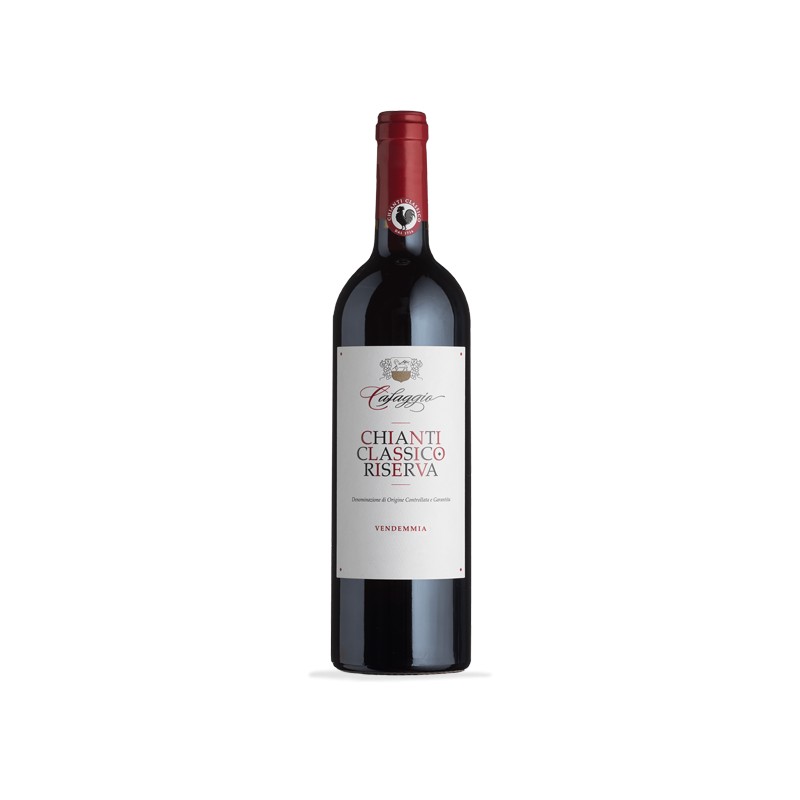
For online shopping, Vinoso.shop features producers like Cafaggio: annata and Riserva bottlings let you tune character and depth to the recipe.
Practical advice: serve at 16–18 °C; in younger vintages, a brief pass in a carafe can round the tannins.
Barolo and Wild Boar Roasts
With roasts and salmì, Barolo shows its full authority: firm tannins, length, and a spicy profile merge with the meat’s gamey notes.
On Vinoso.shop, Tenuta L’Illuminata (La Morra) stands out: different vintages of Barolo MGA Sant’Anna offer options for readiness now or further cellaring, depending on service needs and menu.
For service: 18 °C, large bowl-shaped glass; for older vintages, decanting is advisable to let the wine breathe and enhance aromas.
Other Wines to Pair with Wild Boar
For Italian alternatives with firm character, Aglianico (Campania and Basilicata) brings energetic tannins and great depth: with salmì or rich stews it’s a reliable choice.
Internationally, well-aged Syrah and Cabernet Sauvignon deliver spice and grip: they work with slow cooking and reduced sauces.
If you prefer something more immediate, Morellino di Scansano or a well-structured Montepulciano d’Abruzzo accompany pappardelle and ragù without excessive extraction.
Practical Tips for Choosing and Serving Wine with Wild Boar
- Assess the dish: medium-intense ragù → Chianti Classico; stew and braises → Brunello; roasts and salmì → Barolo or Aglianico.
- Temperature: 16–18 °C; avoid excess warmth that emphasizes alcohol.
- Decanter: useful for young, structured wines; helps soften tannins and broaden the bouquet.
- Vintage: for immediacy choose bottles that are already approachable; for greater complexity opt for wines with adequate aging.
Conclusion
In short, the best wine to pair with wild boar depends on recipe and intensity: Chianti Classico for savory first courses, Brunello for stews and braises, Barolo for roasts and salmì. The practical rule is to balance dish power with wine structure.
On Vinoso.shop you’ll find targeted selections—Poggio Antico for Brunello, Cafaggio for Chianti Classico, Tenuta L’Illuminata for Barolo—with formats and vintages for every context, from a dinner at home to a festive menu.
FAQ about Wine Pairings for Wild Boar
What wine do you drink with game? ▶
For fur game (wild boar, deer, roe deer), structured reds with firm tannins work well: Barolo, Brunello, Aglianico. For fowl, depending on preparation, you can step down a notch to well-structured Sangiovese or Pinot Noir.
What wine to drink with a barbecue? ▶
For mixed grills of red meats, choose youthful yet energetic reds with a dry finish: Chianti Classico, a well-balanced Montepulciano d’Abruzzo, or a spicy-profile Syrah. If poultry and vegetables dominate the grill, lean toward lighter reds.
What pairs well with wild boar? ▶
Ragù and first courses: Chianti Classico. Stew: Brunello di Montalcino. Roasts and salmì: Barolo or Aglianico. Basic rule: the more intense the dish, the more structure and tannin you need.

 Italiano
 English