What is a fresh wine and why consumers love it
Definition of fresh wine
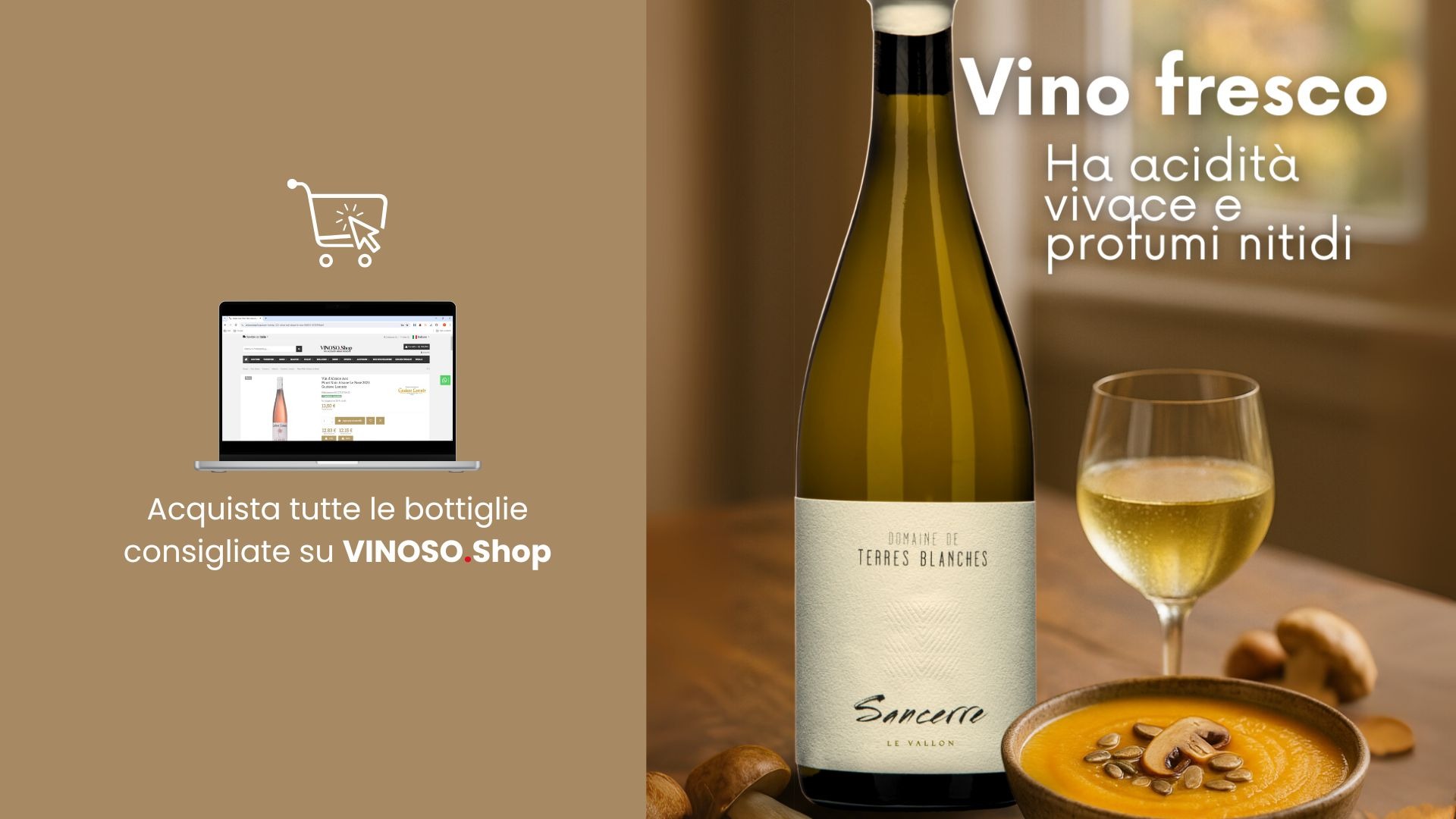
With the arrival of autumn many people look for a lighter glass: a fresh wine is a wine with lively acidity, clean aromas and a smooth finish that invites another sip without weighing you down.
Sensory-wise, freshness means a prevalence of citrus or floral notes, well-integrated alcohol, and a taut taste sensation that cleanses the palate. It doesn’t equal simplicity: a fresh wine can also age for a few years while keeping balance and precision.
For online shoppers, cues like alcohol level, perceived acidity, and serving temperature help select the right bottle for the occasion.
The difference between fresh wine and young wine
Being young isn’t enough to define a wine as fresh: a young wine can taste soft if it leans on sweet fruit and more evident alcohols.
A fresh wine, instead, focuses on acidity and pace on the palate; freshness doesn’t rule out the ability to age, but it favors drinkability and aromatic precision from the start.
On product pages, look for words like “taut acidity,” “mineral,” “crisp,” “citrus”: they signal freshness.
The best times to drink a fresh wine in autumn
From harvest time to Sunday lunches
After harvest, autumn brings slow lunches and family gatherings: fresh wine accompanies appetizers, vegetables, and first courses without stealing the spotlight.
For a mid-afternoon aperitif, choosing a fresh glass keeps things light and doesn’t tire the palate before dinner.
Fresh wine with light seasonal dishes
Sautéed mushrooms, pumpkin veloutés, savory pies, and fresh cheeses find a natural ally in fresh wine: acidity and savoriness counterbalance the gentle sweetness of autumn vegetables.
For coherence, pair citrus-driven profiles with delicate dishes and more mineral wines with recipes featuring herbs and gentle spices.
The importance of serving temperature
In autumn room temperatures fluctuate: respecting the ideal serving range is crucial to highlight freshness and aromas.
Fresh whites at 8–10 °C, rosés at 10–12 °C, light reds at 12–14 °C. Higher temperatures blunt acidity and accentuate alcohol, reducing the sensation of freshness.
Infographic (table): ideal serving temperatures for fresh wine in autumn
Recommended ranges for three categories: fresh whites, rosés, and light reds. Values in °C.
| Category | Minimum temperature (°C) | Maximum temperature (°C) | Serving notes |
|---|
| Fresh whites |
8 |
10 |
Medium tulip glass; avoid dominant oak to preserve freshness. |
| Rosés |
10 |
12 |
Serve at 10–12 °C for a balance of fruit and verve. |
| Light reds |
12 |
14 |
Chill to cellar/fridge temperature and use a medium-wide glass; avoid warmer service. |
| Ranges are indicative and depend on the wine’s style, alcohol, and structure. |
Most popular types of fresh wine
Fresh, mineral white wines
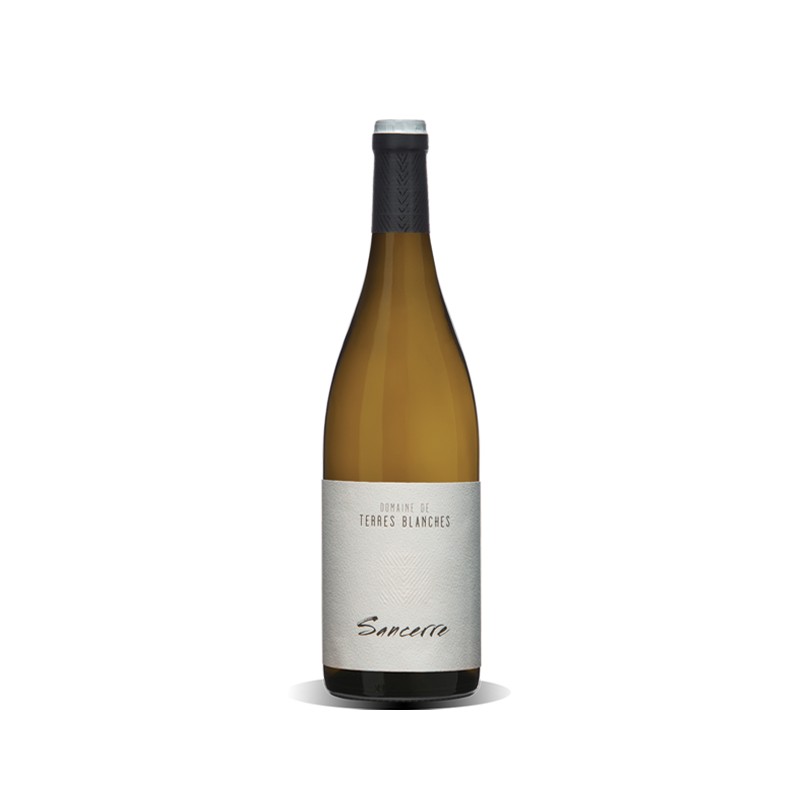
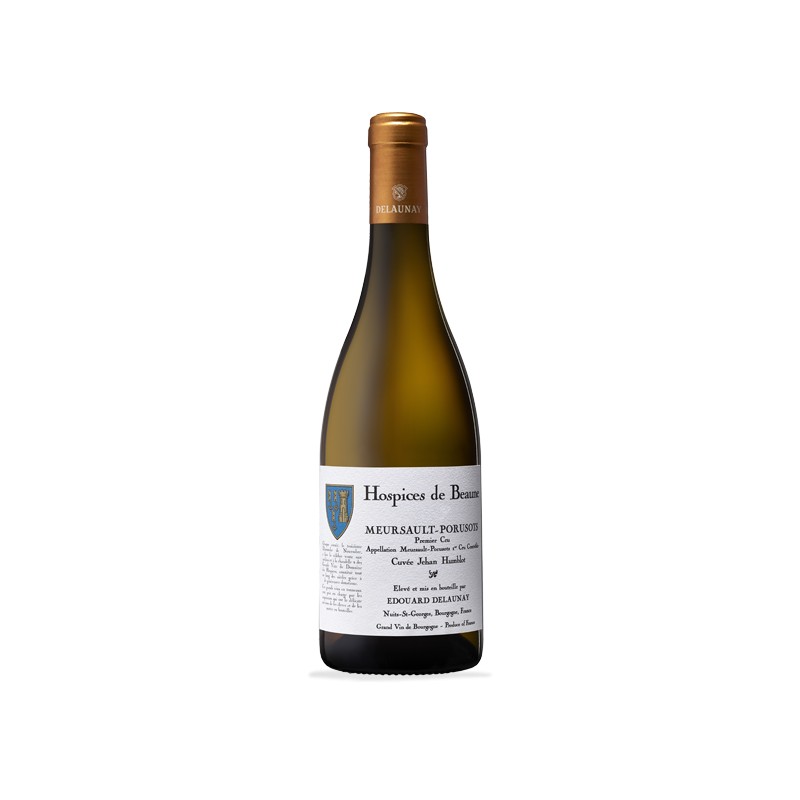
For those who love precise aromas, fresh whites deliver citrus, white flowers, and a salty feel. Acidity supports the sip and makes them versatile with starters, grain salads, and steamed fish.
When searching for a fresh white on Vinoso.shop, look for moderate alcohol, little to no dominant oak, and tasting notes pointing to tension and verve.
Elegant rosés for autumn
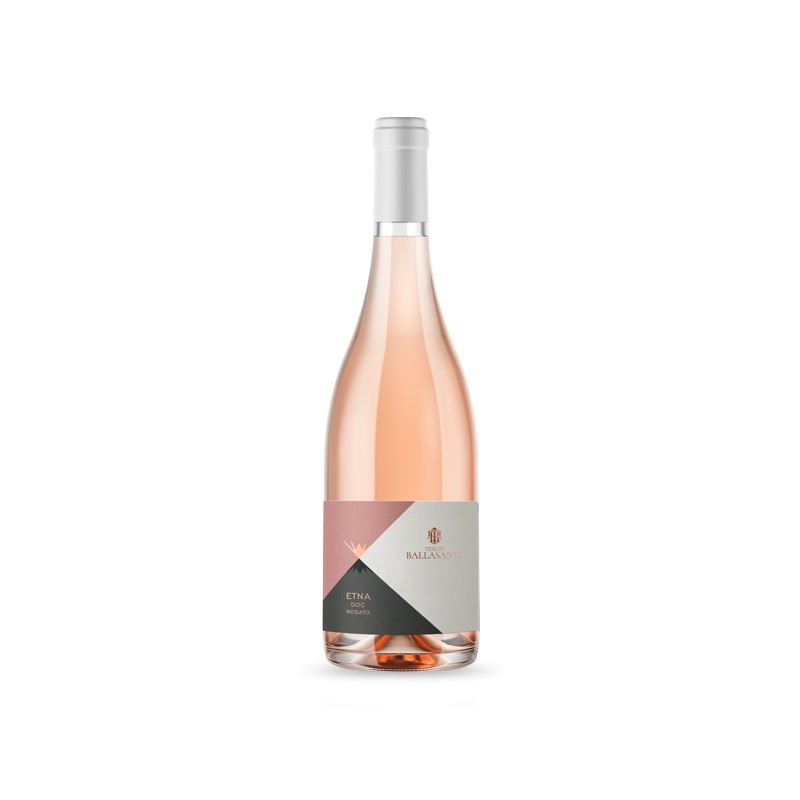
Autumn rosés offer crunchy fruit and a dry finish: perfect with savory pies, light soups, and white meats. Serving at 10–12 °C preserves aromas and agility.
Choose rosés with balanced structure and a sapid finish: they support seasonal dishes without slipping into excess roundness.
Light reds and young reds to serve cool
Some light reds show freshness when served at 12–14 °C: gentle tannins, contained alcohol, and clean fruit make them ideal with lean cold cuts, roast chicken, and vegetarian dishes.
Among the best styles for autumn are agile varieties like Pinot Noir, Schiava, or Grignolino, which pair naturally with everyday recipes.
Food pairings with fresh wine
Fresh wine and vegetarian autumn dishes
Roasted vegetables, mushrooms, and legumes call for a wine that brightens the palate: a taut white or a dry rosé enhances herbs, delicate spices, and soft textures.
To balance the sweetness of pumpkin or carrot, choose a citrus-driven profile with clearly perceived acidity.
Fresh wine with white meats and lake fish
With turkey, guinea fowl, and trout, aim for aromatic precision: a mineral white or a medium-bodied rosé cleanses the palate and highlights succulent cooking.
Avoid excessive oak: it masks freshness and aromatic detail.
Tips for autumn menus at the wine bar and at home
Build a simple progression: vegetable starter with a fresh white, seasonal first course with an elegant rosé, light main with a ready-to-drink red served at the correct temperature.
Fresh wines available on Vinoso.shop
Recommended labels from our online selection
In the Vinoso.shop selection you’ll find taut whites, dry rosés, and light reds suited to autumn. Filter by “fresh style,” moderate alcohol, and tasting notes geared toward citrus and minerality.
Differences between Italian and European offerings
At the same price point, compare perceived acidity, alcohol, and aromatic descriptors: Mediterranean profiles offer riper fruit, while cooler areas lean into citrus and flowers. Choose based on the dish and planned serving temperature.
Conclusion
Choosing a fresh wine in autumn means prioritizing drinkability, clean aromas, and correct serving temperatures. With mineral whites, elegant rosés, and light reds served at 12–14 °C, you can create everyday pairings in tune with the season’s flavors and with your online shopping on Vinoso.shop.
FAQ on Fresh Wine
When do we say a wine is “fresh”? ▶
A wine is considered fresh when it shows clearly perceived acidity, clean aromas, and a smooth, easy-drinking feel. Freshness doesn’t depend only on age but on the balance between acidity, alcohol, and structure.
What is the lightest red wine? ▶
Among the lightest styles you’ll find varieties such as Schiava, Grignolino, or some interpretations of Pinot Noir: gentle tannins, moderate alcohol, and crunchy fruit.
What are the 5 wine classifications? ▶
There isn’t a single universal taxonomy, but five common criteria are used in practice: 1) by color (white, rosé, red); 2) by CO₂ presence (still, semi-sparkling, sparkling); 3) by residual sugar (dry, off-dry, medium-sweet, sweet); 4) by production method/profile (fermentation in steel, wood, traditional/charmat methods); 5) by EU quality category (PDO/DOCG, DOC, PGI/IGT, Wine).

 Italiano
 English