
Your cart
There are no more items in your cart
 Italiano
 English
- Felipe Arosio
- Mondo Vino
- 635 views

Fruity Red Wine: Complete Guide
What Makes a Red Wine Truly Fruity?
Definition and Sensory Characteristics
Imagine pouring a glass of red wine and immediately sensing the intense aroma of ripe cherries, fresh raspberries, or wild blackberries. This is the essence of fruity red wine – a category that captivates with its lively and easily recognizable aromatic profile.
Fruitiness in a wine doesn’t mean sweetness, but rather the clear presence of fruit aromas. These may come from the grape variety itself or from specific winemaking techniques, such as temperature-controlled fermentation or limited use of new oak.
Origin of Fruity Aromas in Red Wines
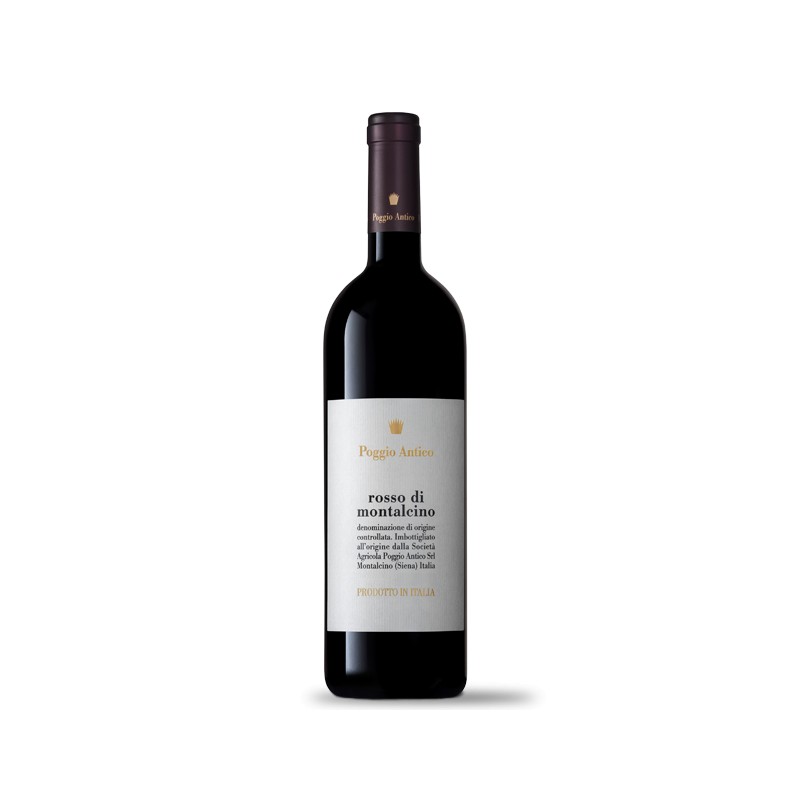
Depending on the grape variety, some red wines naturally develop more fruity notes. Sangiovese, for example, is known for offering hints of cherry and small red berries, as in the Rosso di Montalcino 2022 by Poggio Antico. The production area also plays a crucial role: hillside vineyards that are well-ventilated and sun-exposed allow for balanced grape ripening and more concentrated aromas.
Beyond natural factors, the winemaker’s expertise is essential. Maceration management, fermentation time, and aging methods greatly influence the final sensory profile. To obtain a fruity red wine, long aging in new oak barrels is often avoided, as toasted notes can overpower the fruit aromas.
When to Choose a Fruity Red Wine?
An Ideal Companion for Informal Moments
Fruity red wine is often associated with relaxed and convivial occasions. Its natural drinkability makes it perfect for aperitifs, light dinners, or summer lunches. With a fresh and round aromatic profile, it appeals both to beginners and wine lovers seeking a versatile bottle.
Why Prefer It in Summer?
During the warmer months, overly structured wines can feel heavy. Fruity reds, on the other hand, stand out for their freshness and their ability to be served slightly cooler, around 14–16°C. This makes them ideal for summer, as an alternative to rosés.
Including It in a Wine List
Restaurateurs and professionals can enrich their wine offerings by including fruity red wines. These wines are versatile, accessible, and pair well with seasonal, vegetarian, or even fish-based menus, offering a refined yet easy option.
How to Pair a Fruity Red Wine?
Light and Flavorful Pairings
One of the strengths of fruity red wines is how easy they are to pair. Perfect with cold dishes, tapas, and mixed appetizers, they enhance flavors without overpowering delicate ingredients. Focaccia, grilled vegetables, and rich salads pair beautifully with their vibrant fruit character.
Great with White Meats and Fresh Cheeses
Light meats such as chicken or turkey pair wonderfully with fruity reds, which accompany the dish with elegance. Fresh cheeses like robiola or goat cheese also benefit from these wines’ softness and acidity.
Options for Vegetarians and Vegans
Dishes made with legumes, grains, or mushrooms can be enhanced by fruity red wines. Their balanced structure and aromatic quality create interesting contrasts without overpowering intensity.
What to Avoid
It’s best to avoid pairing fruity red wines with very spicy or sweet dishes, as these can mask the delicate red fruit aromas and make the wine less enjoyable. Fatty or extremely spicy foods require more structured wines.
Tips for Tasting Fruity Red Wines
Serve at the Right Temperature
To best enjoy a fruity red wine, serve it between 14 and 16°C. This slight chill enhances fruit notes and keeps the wine light and refreshing, especially during warmer months.
Choose the Right Glass
A wide glass with a round bowl and medium opening allows proper aeration and helps reveal the aromas. Avoid glasses that are too narrow (which compress aromas) or overly large (best for long-aged wines).
From Nose to Palate
The first clues come through the nose: fresh red fruits, small berries, sometimes herbal or sweet spice hints. On the palate, the wine should feel smooth, with good acidity and a harmonious finish. This balance between structure and freshness is what makes fruity red wines so appreciated.
Where to Buy the Best Fruity Red Wines Online?
Vinoso.Shop: Curated Selection
If you're looking for carefully selected labels and high-quality products, at Vinoso.Shop you'll find a full range of Italian fruity red wines, all with detailed product sheets, awards, and fast shipping.
Simple and Secure Purchase
The site is easy to navigate: you can filter by grape variety, region, vintage, or aromatic profile. Additionally, tasting boxes let you try multiple labels at a convenient price — ideal for exploring fruity wines without making a mistake.
Organic Boxes and Promotions
Among the most popular offerings are certified organic wines like Poggio Antico’s Rosso di Montalcino. Take advantage of seasonal deals and themed packages to receive wines ready for any occasion right to your doorstep.
Conclusion: Why Choose a Fruity Red Wine
Fruity red wine is a surprisingly good choice for those seeking a balance between immediate pleasure and authentic character. With enticing aromas and soft tannins, every sip tells a story of land, care, and passion. Its versatility makes it perfect for everyday meals and special moments alike.
If you want to enrich your experience with red wines that express fruit and freshness, visit Vinoso.Shop and explore our curated selections. Shop consciously, relying on those who choose only quality labels.
FAQ about Fruity Red Wine
What is the difference between a fruity red wine and a full-bodied one? ▶
Are fruity red wines always young? ▶
What grape varieties are most used for fruity wines? ▶